Hybrid Elms
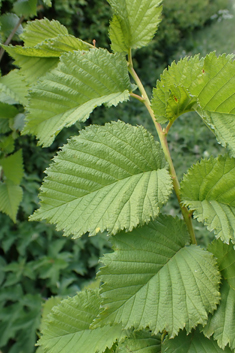
What are they?
With the vast majority of our native and long-surviving elms having been decimated by Dutch Elm Disease (DED), much research has gone into attempts to discover disease resistent cultivars. Clones of elm species showing high degrees of resistence to DED have been crossed with each other and grown in trial plots before being offered for sale to a wider market. In particular, Asian and American elm species have been used in these trials and, eventually, seemingly high levels of success have been achieved with some of the crosses.
Where are they found?
Hybrid elms are slowly finding their way into our landscapes, at first on the grounds of large properties such as colleges, universities and botanical collections, then onto the larger private estates and municipal parks and gardens.
Identification
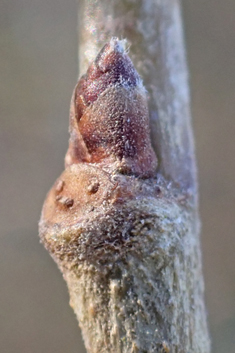
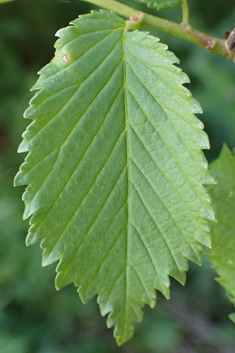
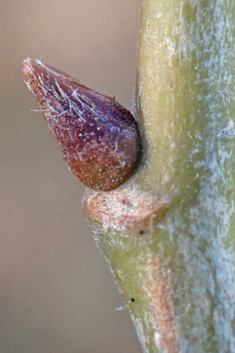
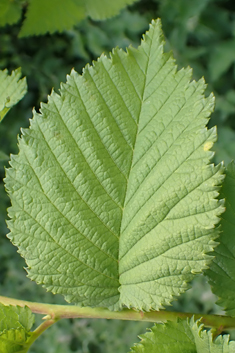
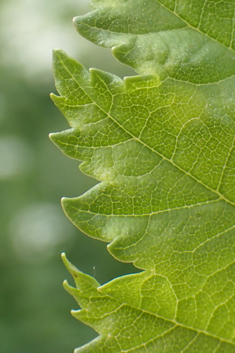
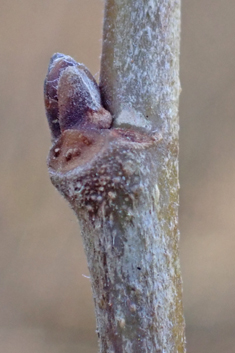
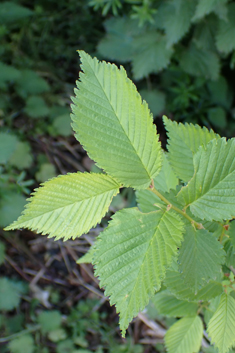
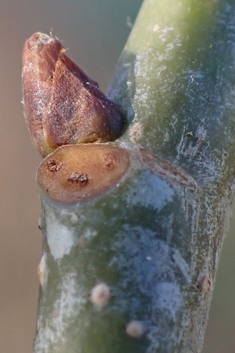
Many of the elm cultivars are extremely similar and some probably will be unidentifiable for certain from their morphological features, since the main reason for their selection and naming is based on their resistence to disease. However, I have placed on record here, some of the forms that I have been able to identify by virtue of their identification labels still being present at the time that I first discovered them. However, identification based on details of the hairs on the buds and twigs, the appearance of the winged fruits and the outline shape of typical leaves, taken from the middle of short shoots in high summer may well be possible in many cases.
Ulmus 'Lutèce'A collection of hybrids, rasied in commercial horticulture by crossing a range of forms that show at least some resistence to Dutch Elm Disease. Over time, a handful of highly resistent (though not fully immune) cultivated varieties have been named and marketed and any large, single, healthy-looking elm in a roadside setting or amenity space (such as parks, churchyards, village greens etc.) may well prove to be one of these modern hybrids. The cultivars 'Dodoens', 'Groenveld', 'Lutèce', 'Lobel' and 'Clusius' all fall into this section, but there are many more, involving parentage from European, Asian and North American elm species.
Some of the more recently planted elm hybrids can be found by clicking here.
| |
 |
 |
| |
|
|
 |
|
|
| |
|
 |
|
| |
|
| |
 |
| |
|