Willowherbs
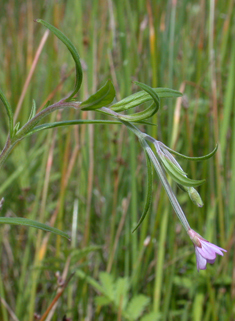
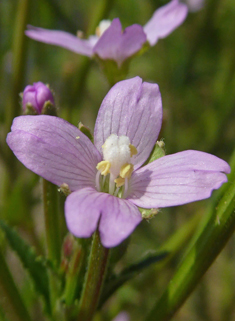
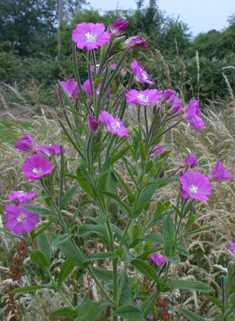
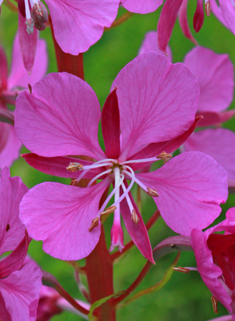
What are they?
This is a group of very familiar plants, as willowherbs are common in human-influenced habitats. They form a readily recognisable group of pink-flowered, annual or perennial, herbaceous plants and are members of the Onagraceae family, along with fuchsias, evening-primroses and a number of half-hardy plants grown as ornamentals.
Where are they found?
Our native willowherbs mostly occur on damp soils, but they are also perfectly happy as weeds of waste or disturbed ground and in urban situations. Introduced species are common as garden weeds and in a variety of disturbed soils and urban locations.
Identification
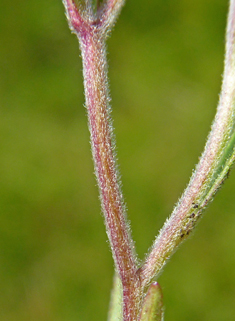
Most willowherbs are readily identified by their paired, opposite leaves, long seed capsules and four-petalled, pink flowers. Rosebay Willowherb is an exception to this in having the leaves arranged spirally and in having elongate, terminal spikes of flowers. Although a 'willowherb' is relatively easy to identify from other plants, telling the various species apart is far less easy - and hybrids are quite common! A combination of characters should be checked as follows: the shape of the stigma (the white, female part at the centre of the flower), the presence or absence of ridges on the stem, the shape of the leaf and whether it has a stalk, the type of hairs on the upper stem and on the seed capsules. While this might seem a lot, each species will show a different combination of these four features and most can be identified fairly easily with practice. Note that Rosebay and Great Willowherbs are tall plants, to 1.5m in height and this great size distinguishes them readily from all of the other species.
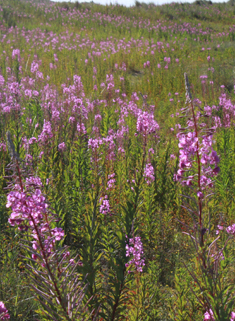
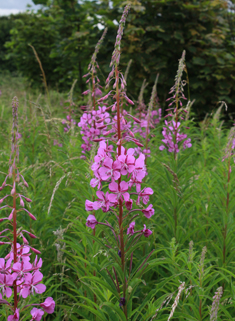
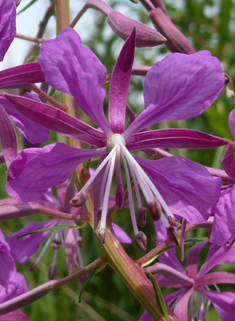
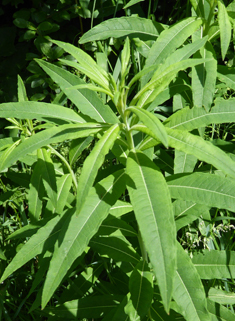
Rosebay Willowherb Chamaenerion angustifolium
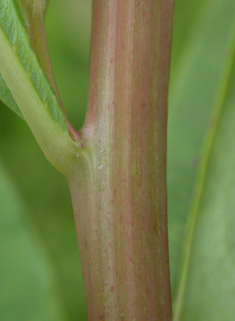
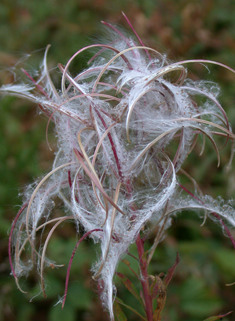
(Chamerion angustifolium, Epilobium angustifolium) Native in the UK but seemingly only introduced in the islands with a single record from The Garrison, St Mary's and probably now gone. Flowers July to September. Easily identified by its long spikes of large flowers which can form impressive and extensive colonies. Leaves alternate not in opposite pairs, often spirally arranged on the hairless stems.
 |
 |
|
 |
| |
|
|
|
 |
 |
 |
 |
| |
|
|
|
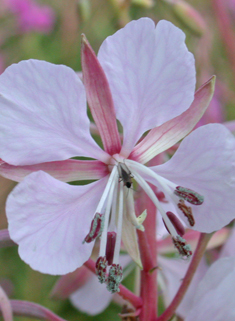
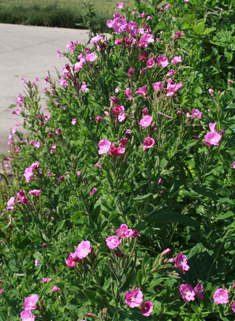
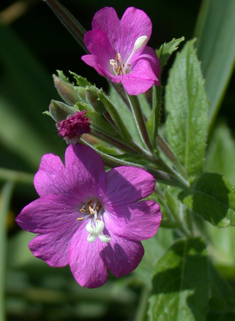
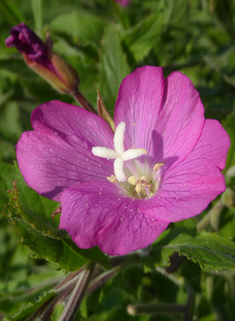
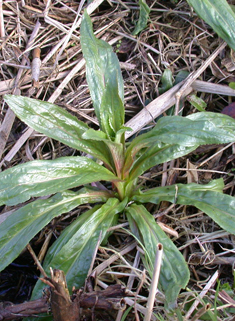
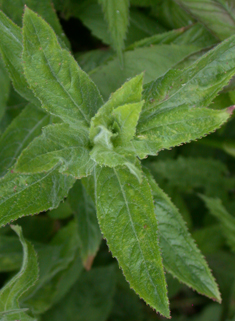
Great Willowherb Epilobium hirsutum
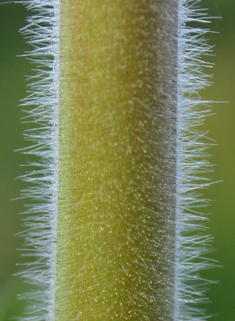
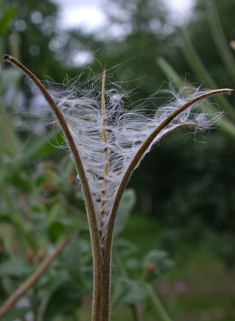
Native. Scattered records on St Mary's, Tresco and Bryher. Flowers July to August. A tall species, to 1.5m in height and forming large, spreading colonies. Basal leaves in the spring are hairless but later stem leaves are silky hairy, giving them a hoary look. Upper stems densely hairy, rounded and not ridged. Stigma four-lobed, spreading; petals much broader than those of other species.
 |
|
 |
 |
| |
|
|
|
 |
 |
 |
 |
| |
|
|
|
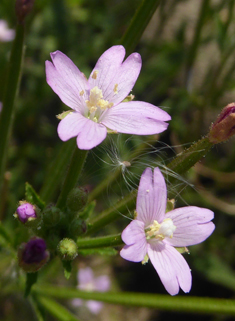
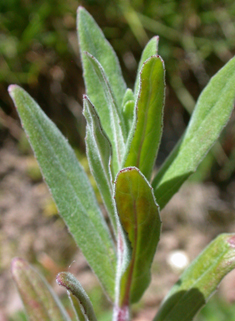
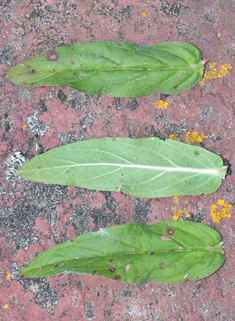
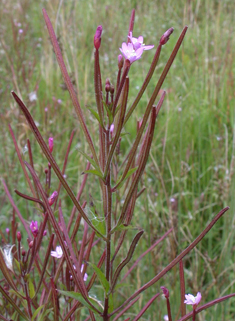
Hoary Willowherb Epilobium parviflorum
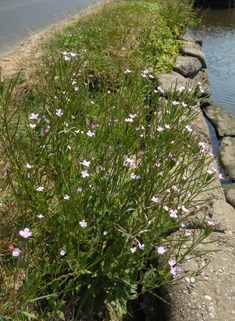
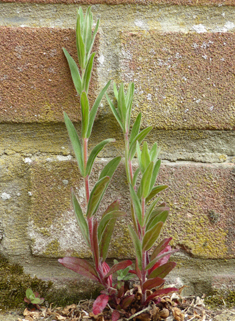
Native. Scattered record from St Mary's and Tresco . Flowers July to August. Grows to 100cm but typically much less. Leaves silky hairy, giving them a hoary look; untoothed margins and no (or less than 3mm) leaf stalk. Stems densely hairy, rounded and not ridged. Stigma four-lobed, with the lobes clustered together and not spreading.
 |
 |
 |
|
| |
|
|
|
 |
 |
 |
|
| |
|
|
Broad-leaved Willowherb Epilobium montanum
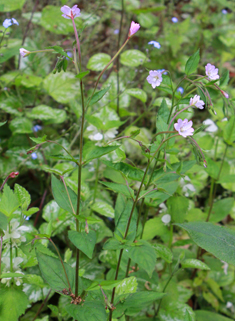
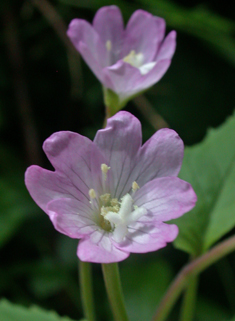
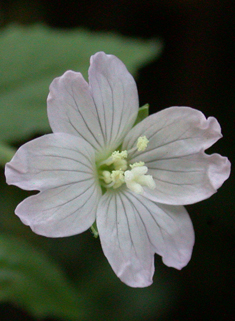
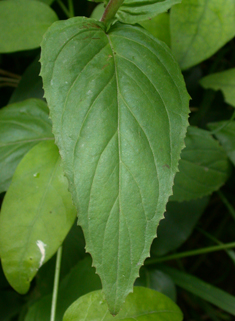
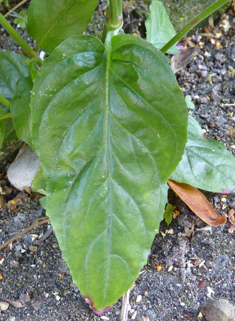
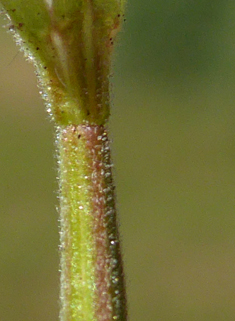
Native in damp, often shady places as well as a weed of disturbed and urban environments. Recorded from St Mary's, St Agnes and Tresco. Flowers June to August. Leaves broadly rounded at the base with strongly toothed margins and a short (2-6mm) leaf stalk. Stems with a mixture of short, straight hairs and, short, curled hairs; stems rounded and not ridged. Stigma four-lobed, with the lobes clustered together and not spreading.
 |
 |
 |
| |
|
|
 |
 |
 |
| |
|
|
Fringed Willowherb Epilobium ciliatum
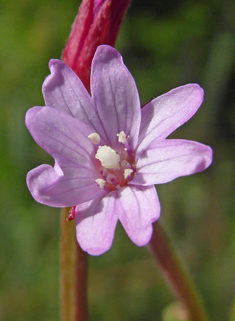
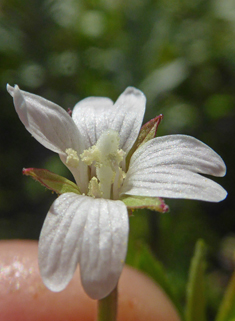
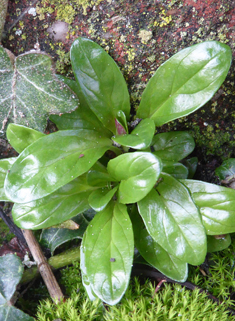
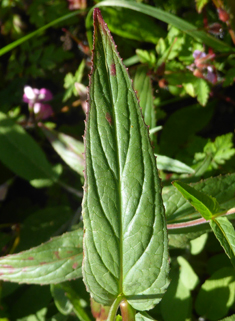
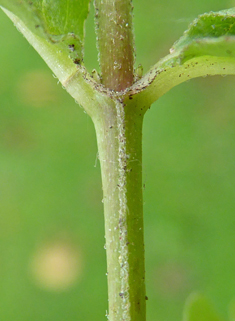
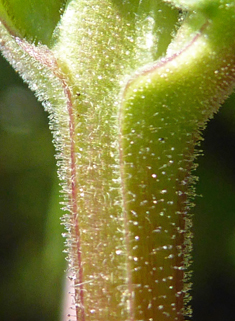
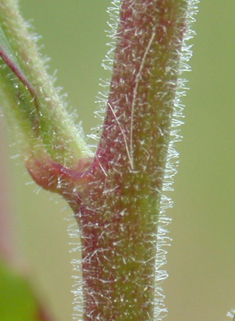
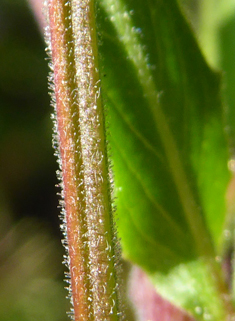
(American Willowherb) Introduced from North America and now frequent as a weed of disturbed and urban environments. Flowers June to August. Leaves rounded at the base with lightly toothed margins and a short (1.5-5mm) leaf stalk. Stems with a covering of glandular hairs, particularly towards the top; stems two-ridged near the base, becoming two- or four-ridged at mid stem and rounded towards the top. Stigma club-shaped. Petals pink but often very pale, whitish.
 |
 |
 |
 |
| |
|
|
|
 |
 |
 |
 |
| |
|
|
|
Square-stalked Willowherb Epilobium tetragonum
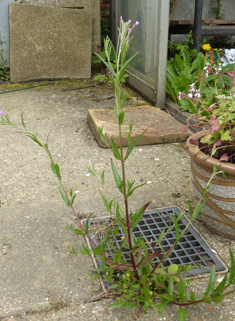
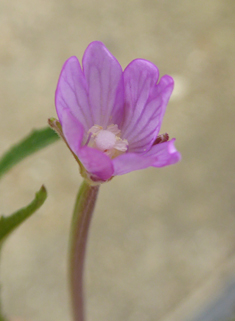
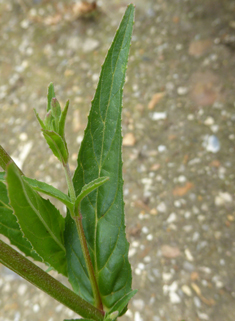
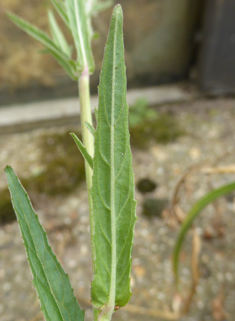
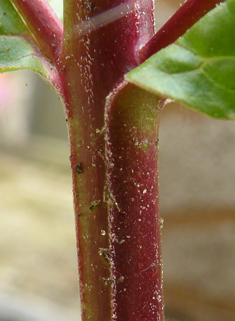
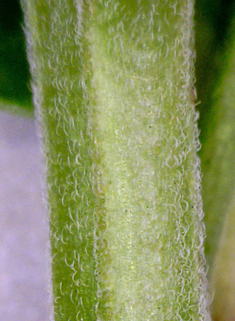
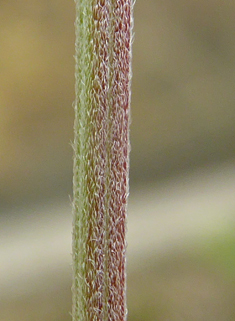
Native and common as a weed of cultivation on the inhabited islands. Flowers July to August. Leaves long-lanceolate, rounded at the base with toothed margins and no leaf stalk. Stems with a covering of stiff hairs, flattened against the stem; stems two-ridged near the base, becoming four-ridged at mid stem. Stigma club-shaped. Flattened hairs continue onto the seed capsules.
 |
 |
 |
 |
| |
|
|
|
 |
 |
 |
|
| |
|
|
Short-fruited Willowherb Epilobium obscurum
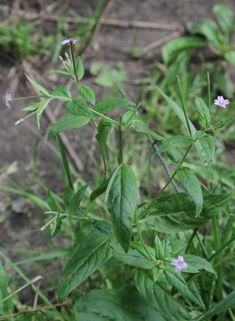
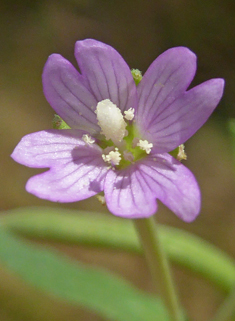
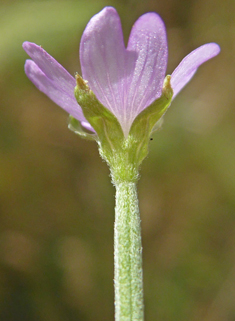
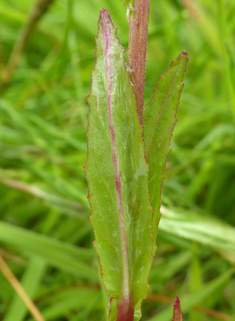
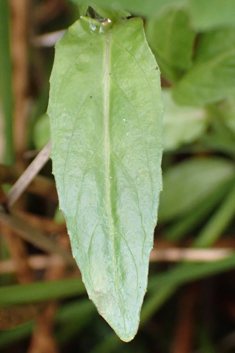
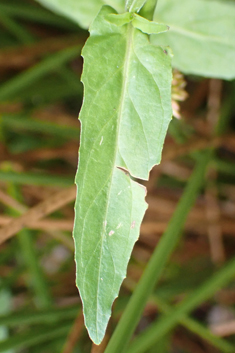
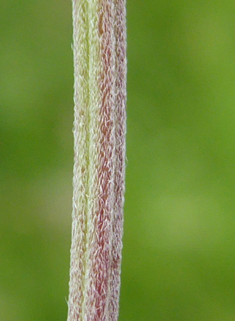
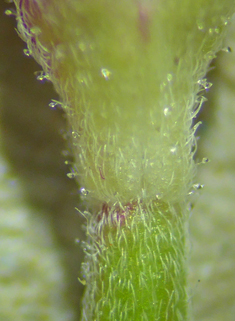
Native. Recorded from the inhabited islands except Bryher. Flowers July to August. Leaves elliptic-lanceolate, rounded at the base with weakly toothed margins and no leaf stalk. Stems with a covering of stiff hairs, flattened against the stem; stems typically four-ridged at mid stem. Stigma club-shaped. Flattened hairs continue onto the seed capsules but there are also glandular hairs at the top of the seed capsule and on the sepals.
 |
 |
 |
 |
| |
|
|
|
 |
 |
 |
 |
| |
|
|
|
Marsh Willowherb Epilobium palustre
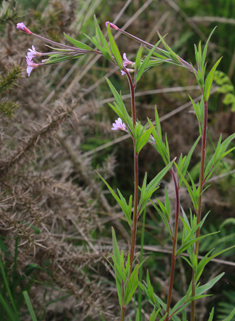
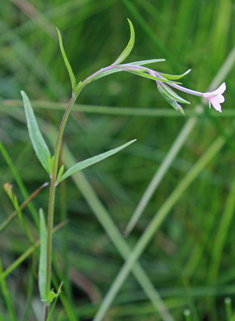
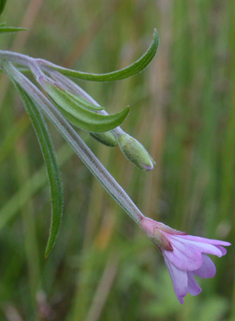
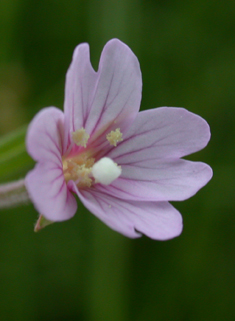
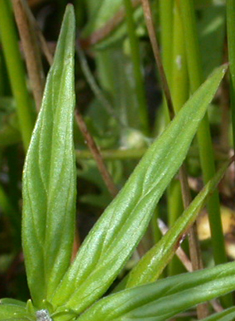
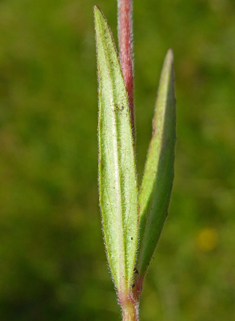
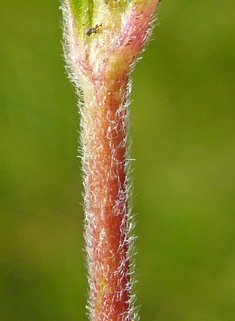
Native. Rare in wetland habitats on St Mary's. Flowers July to August. Leaves narrowly lanceolate with untoothed, downturned margins and a short stalk. Stems rounded with a covering of short and curled hairs. Stigma club-shaped. A distinctive species in its long leaves and gracefully arching upper stems.
 |
 |
 |
 |
| |
|
|
|
 |
 |
 |
 |
| |
|
|
|