Birches, Oaks and Allies
What are they?
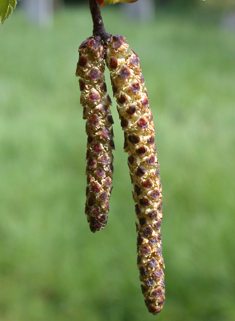
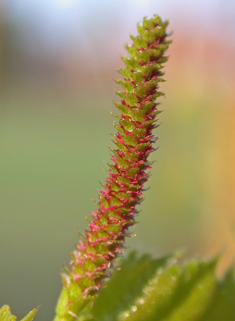
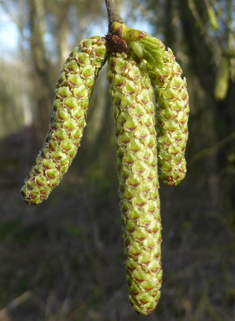
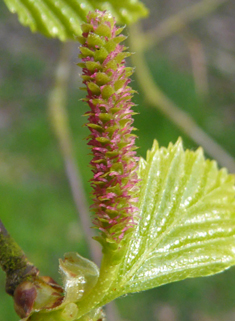
Birches and their relatives are deciduous trees and shrubs in the family Betulaceae. Their male flowers form catkins, which are often purplish as they begin to elongate, becoming yellow as they mature in spring; they typically hang in clusters of three to six. The female flowers form upright catkins and can usually be found just a little further back along the branch.
The beech family (Fagaceae) consists of a number of often economically or culturally important tree species. The family includes oaks, beeches and chestnuts which are some of the primary species in British woodlands. These are wind-pollinated trees with male and female flowers carried in separate clusters on the same tree, typically with the male clusters in elongate, catkin-like structures and the female flowers solitary or in small clusters near the base of the male flowers (or a little further back on the twig). After fertilisation, the female flowers develop nut-like fruits which can be a useful part of their identification to species.
Where are they found?
None of the species here are native to the Isles of Scilly (though some may well have been historically), but have been introduced over the years by successive generations in attempts to provide shelter to the islands.
Identification
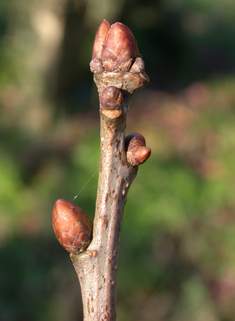
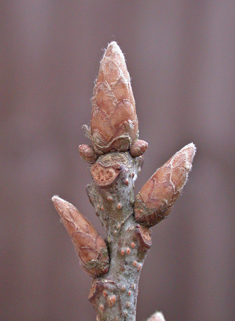
A number of these trees can appear rather similar but are relatively straightforward to identify by checking flower or fruit details (in season) and by carefully checking the leaf shape and leaf margins. Oak species can be recognised fairly easily by looking at their leaves, buds and details of the cups that hold the acorns.
Birch Family - Betulaceae
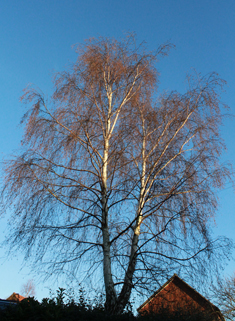
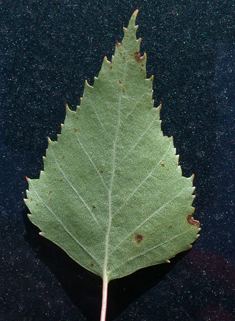
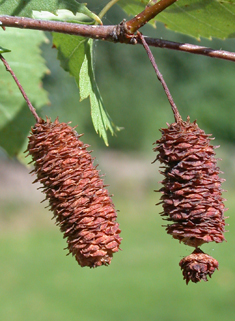
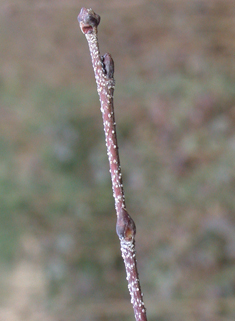
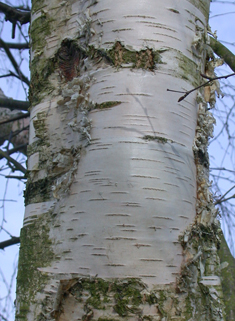
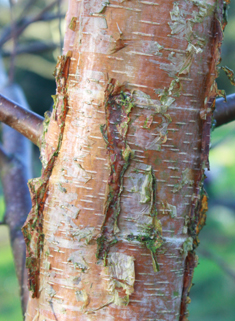
Silver Birch Betula pendulaRecorded as planted on St Mary's and Bryher. Flowers April to May. Leaves very variable and essentially not distinguishable from those of Downy Birch, though they tend to have a longer, more tapered tip. Mature trees are best distinguished from Downy Birch by the twigs, which in this species are hairless and rather rough to the touch, due to the presence of whitish warts - though beware that young Silver Birch can have somewhat downy branches at first.
 |
 |
 |
 |
| |
|
|
|
 |
 |
 |
 |
| |
|
|
|
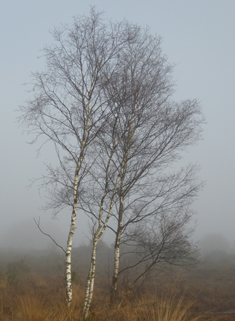
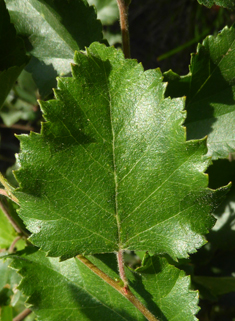
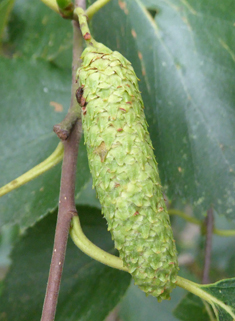
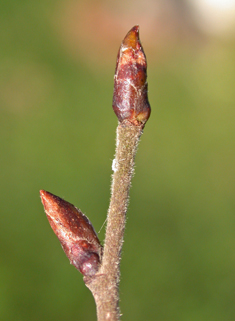
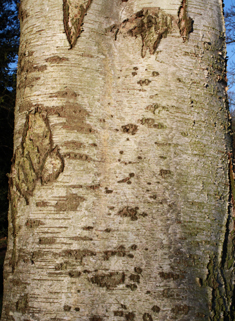
Downy Birch Betula pubescens
Recorded as planted on St Mary's. Flowers April to May. Leaves very variable and essentially not distinguishable from those of Silver Birch, though they tend to have a less tapered tip. Mature trees are best distinguished from Silver Birch by the twigs, which in this species are downy and not rough to the touch.
 |
 |
 |
 |
| |
|
|
|
 |
 |
 |
|
| |
|
|
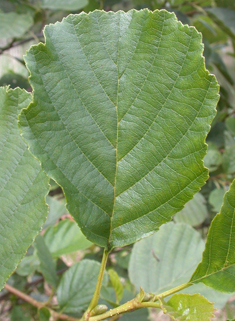
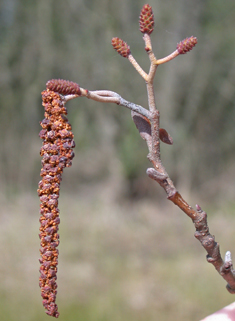
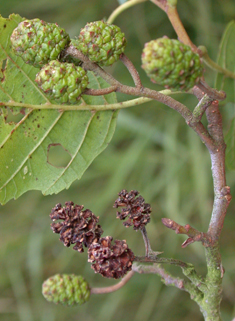
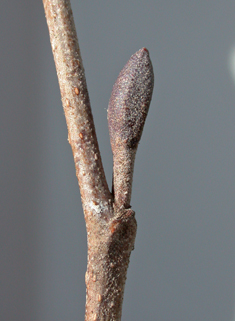
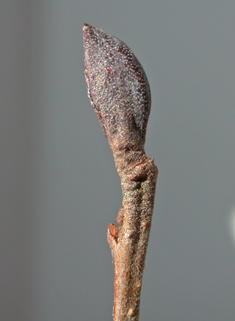
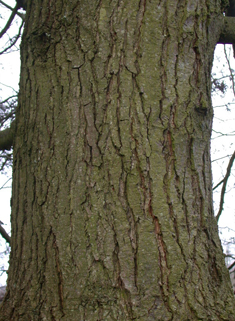
European Alder Alnus glutinosa
A tree that favours wetlands and has been planted in damp places on St Mary's, Tresco and St Martin's. Flowers February to March. Leaves widest in the upper third, giving a broadly rounded tip. Cones relatively small, 10-32mm long and 10-25mm wide.
 |
 |
 |
 |
| |
|
|
|
 |
 |
 |
|
| |
|
|
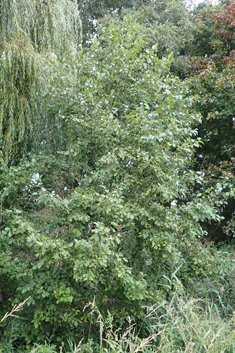
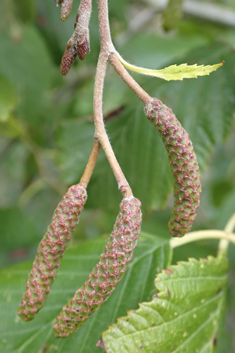
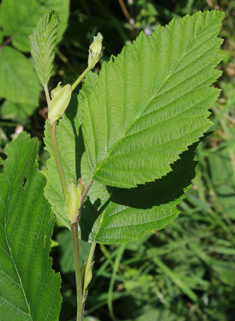
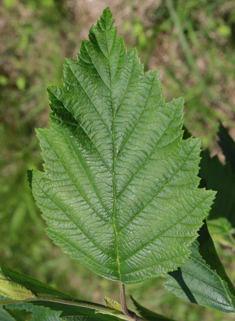
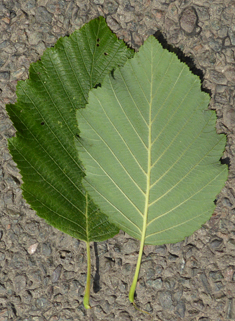
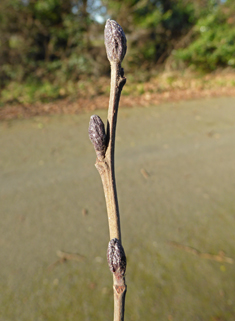
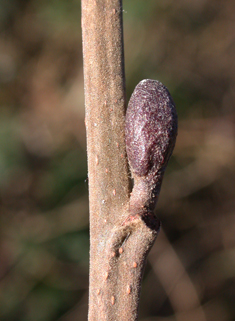
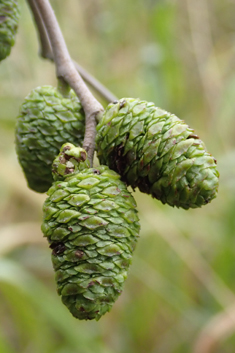
Grey Alder Alnus incana
Recorded where planted on St Mary's and Tresco. Flowers February to March. Leaves ovate, widest in the middle and pointed at the tip; toothed and sometimes variably shallowly lobed. Cones small, 12-22mm long and 10-12mm wide.
 |
 |
 |
 |
| |
|
|
|
 |
 |
 |
 |
| |
|
|
|
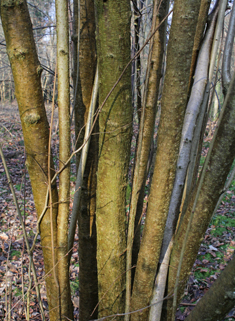
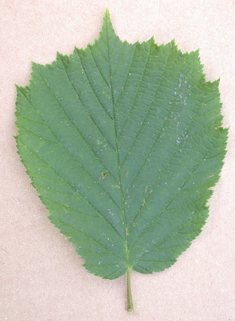
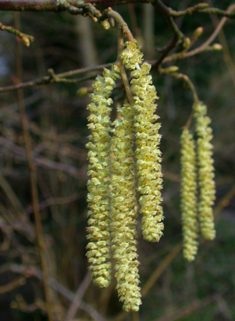
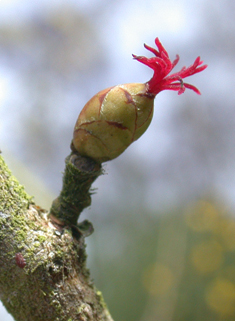
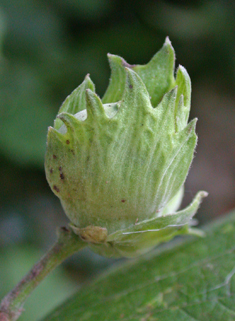
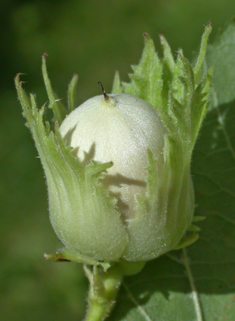
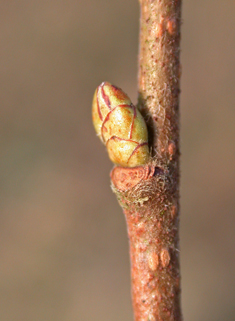
European Hazel Corylus avellana
Planted in a few places on St Mary's. Flowers January to April. Forms a multistemmed shrub with long, cane-like stems. Leaves variable, rounded, but often with a 'shouldered' appearance resembling that of Wych Elm (but with a symetrical base). The leafy bracts surrounding the developing hazel nuts typically form a broad bell-shaped profile, widening towards the tips.
 |
 |
 |
 |
| |
|
|
|
 |
 |
 |
 |
| |
|
|
|
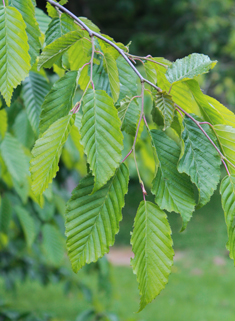
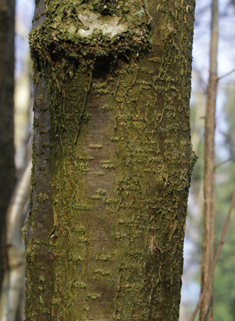
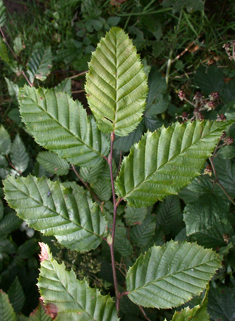
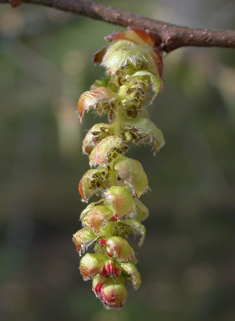
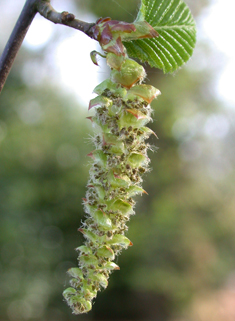
European Hornbeam Carpinus betulus
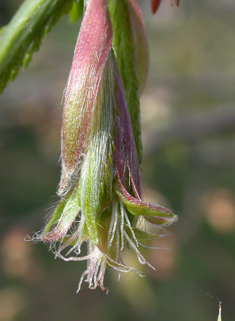
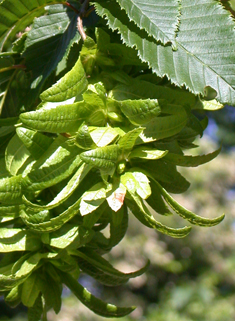
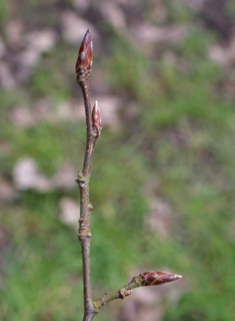
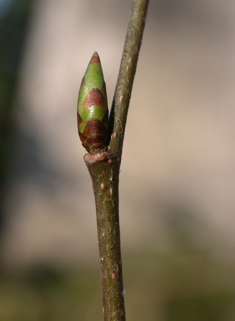
Introduced and recorded from Tresco. Flowers April to May. Leaves similar in shape to those of beech species, but readily identified by the strongly currugated appearance (especially when first opening) and the saw-toothed margins. Male flowers in short, yellowish catkins. Female flowers hidden amongst long bracts, with just the white stigmas protruding. Fruits consist of small nutlets, surrounded by large, leafy bracts. Bark smooth, with mid-aged branches often having undulating ridges that resemble the contours of muscular arms.
 |
 |
 |
 |
| |
|
|
|
 |
 |
 |
 |
| |
|
|
|
Beech Family - Fagaceae
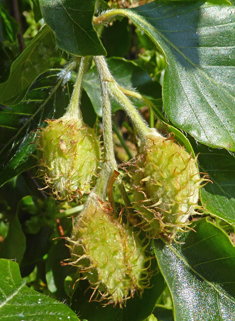
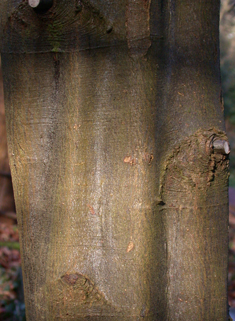
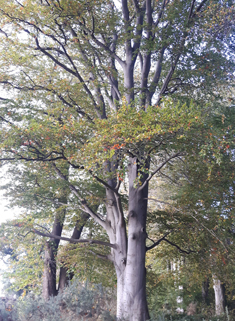
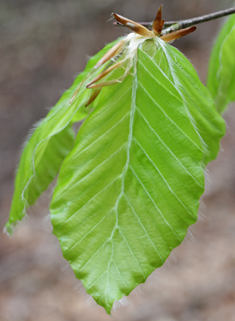
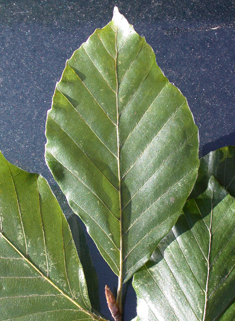
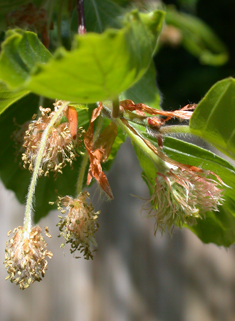
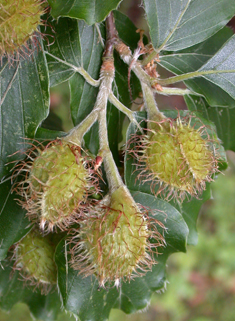
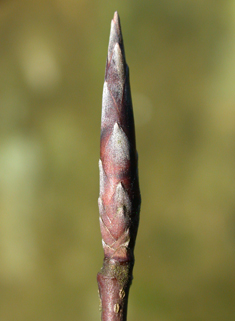
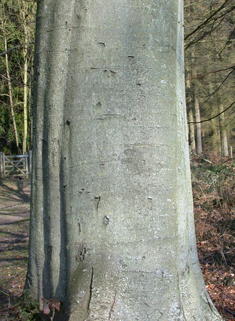
European Beech Fagus sylvaticaRecorded from St Mary's and Tresco. Flowers April to May. Leaves with silky white hairs at first, which soon drop, leaving a glossy, smooth surface with untoothed but wavy margins. Male and female flowers rather small and relatively similar to each other. Fruits consist of four, three-sided nutlets contained within a hard case with bristly outer surfaces. Winter buds distinctly very long and pointed; bark smooth.
 |
 |
 |
 |
| |
|
|
Female flowers (right) |
 |
|
 |
 |
| |
|
|
|
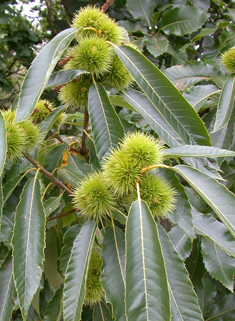
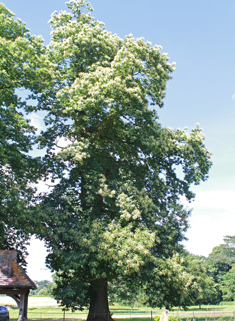
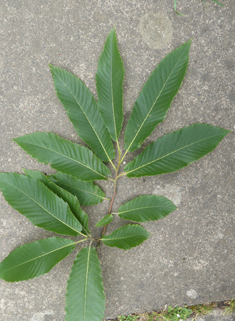
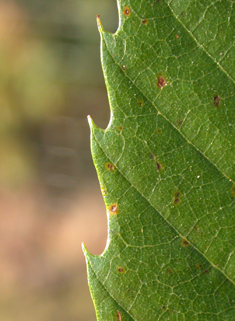
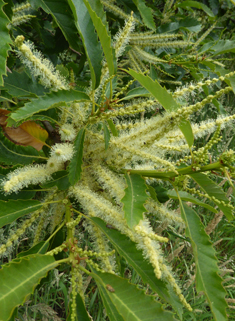
Sweet Chestnut Castanea sativa
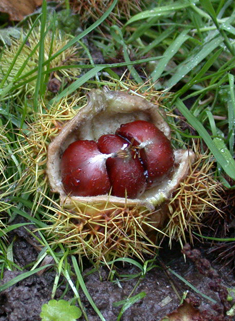
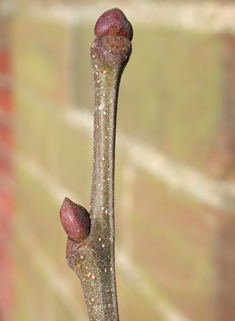
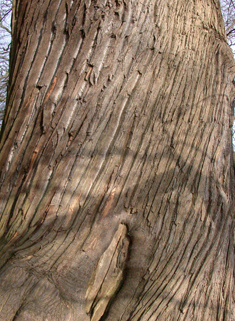
Introduced from southern Europe and once recorded from Tresco in 1999. Flowers July. Leaves smooth, up to 26cm long and with bristle tips to the veins along the leaf margins. Male flowers carried in great abudance on long, stiff, radiating spikes. Female flowers in small clusters at the base of the male spikes. Fruits consist of one to three nutlets contained within a soft case with densely spiny outer surfaces. Winter buds rounded on strongly ridged shoots. With age, the bark becomes deeply fissured and develops a spiral direction on the trunk.
 |
 |
 |
 |
| |
|
|
|
| |
 |
 |
 |
| |
|
|
|
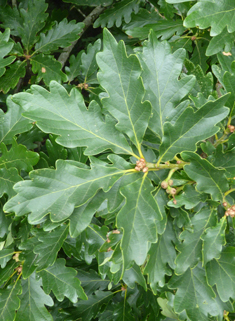
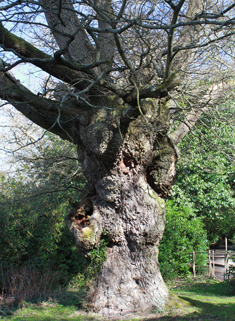
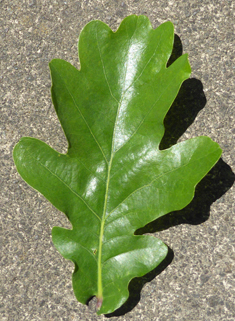
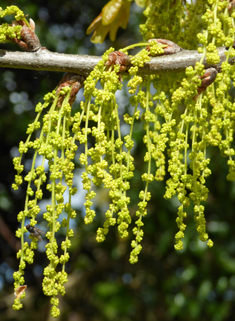
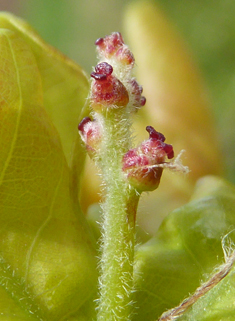
Pedunculate Oak Quercus robur
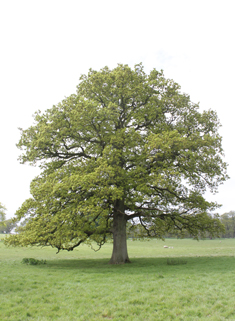
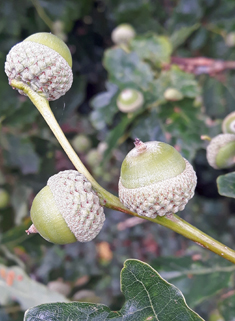
Recorded quite widely from St Mary's and a few locations on Tresco. Flowers April to May. Leaves hairless and with distinctly lobed bases and rather short stalks. Acorns carried in clusters of 1-5 on a common stalk (a peduncle).
 |
 |
 |
 |
| |
|
|
|
 |
 |
 |
|
| |
|
|
Sessile Oak Quercus petraea
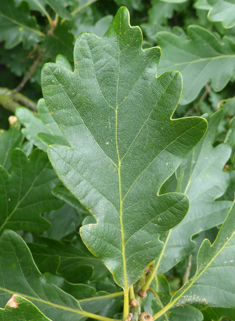
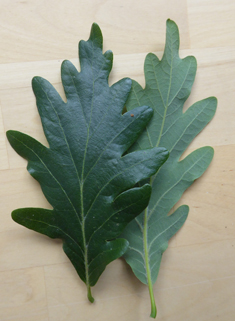
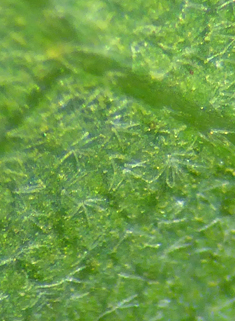
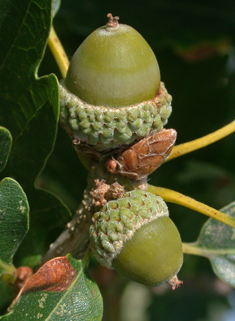
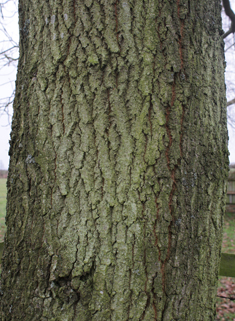
A handful of records from St Mary's and Tresco. Flowers April to May. Leaves with star-shaped hairs on the underside and with unlobed bases. Acorns stalkless or with an only very short peduncle.
| |
 |
 |
 |
| |
|
|
|
 |
 |
 |
|
| |
|
|
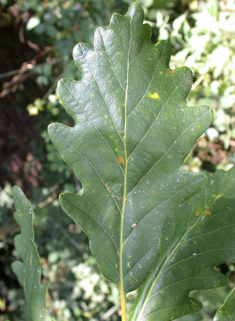
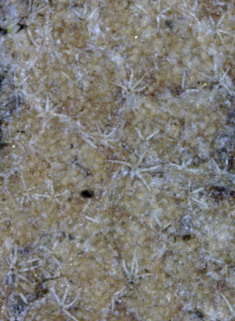
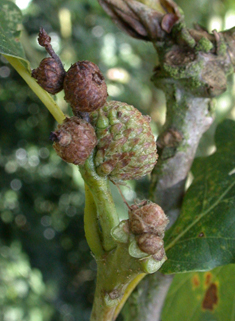
Hybrid Oak Quercus x rosacea
The hybrid between Pedunculate and Sessile Oak has been recorded from St Mary's. Leaves intermediate between the parents but very variable; typically they will show a slightly broader base to the leaf than that of Sessile Oak, but with a scattering of star-shaped hairs on the underneath.
 |
 |
 |
| |
|
|
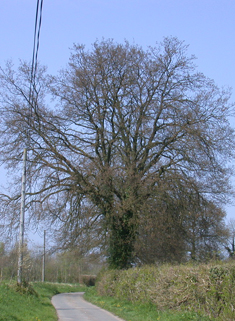
Turkey Oak Quercus cerris
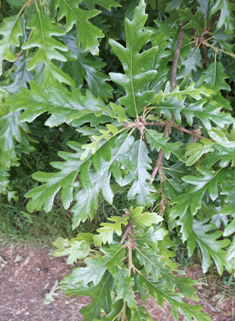
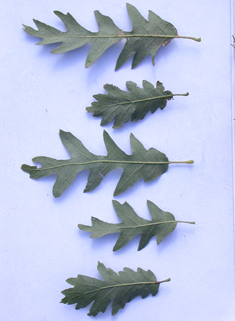
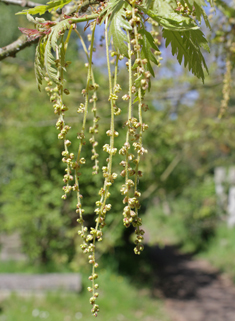
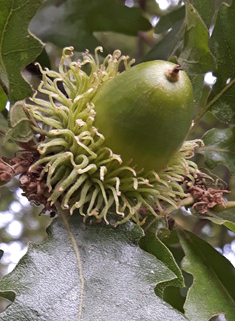
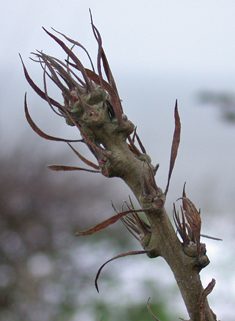
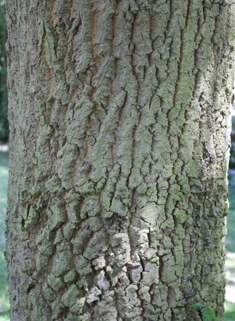
Introduced as an ornamental from south-east Europe with single records from St Agnes and Tresco. Flowers May. Leaves relatively narrow and with sharply angled lobes. Acorns with distinctly bristly cups and winter twigs readily told by the bristly bracts between the buds.
 |
 |
 |
 |
| |
|
|
|
 |
 |
 |
|
| |
|
|
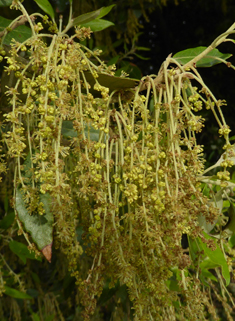
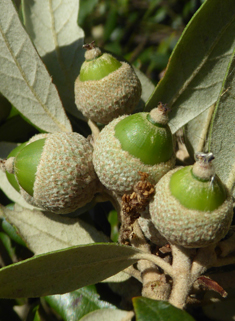
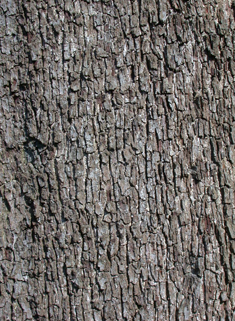
Holm Oak Quercus ilex
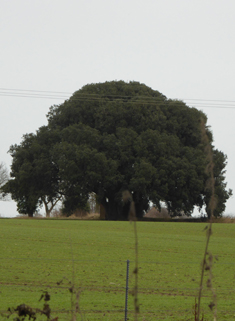
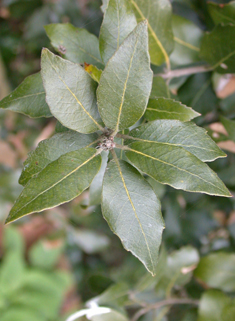
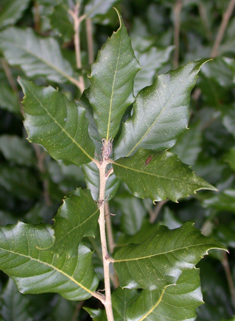
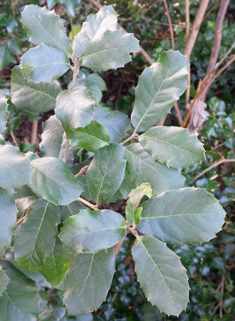
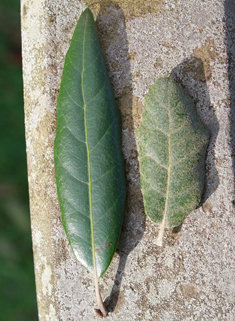
Introduced as an ornamental from southern Europe and planted in a few places on Tresco. Flowers May. Grows to become a large and broadly spreading, evergreen tree. Leaves tough and extremely variable, usually being broad and prickly (like holly leaves) on shaded branches and young trees, but typically unlobed on mature trees in sunny situations.
 |
 |
 |
 |
| |
|
|
|
 |
 |
 |
 |
| |
|
|
|