Tobaccos & Allies
What are they?
This group of plants consists of mostly introduced members of the nightshade family (Solanaceae) and contains an interesting mix of species that are rather diverse in appearance and difficult to define as a group. This family of plants, perhaps more than any other, famously contains a number of alkaloids which can be very poisonous if taken in quantity but which, in measured amounts, can provide important medication.
Where are they found?
This is a diverse group, but most are garden ornamentals so are most likely to be found as throw-outs on rough ground and marginal land.
Identification
Many plants in this group have glandular hairy leaves that often have a rather peculiar, slightly sticky or clammy feel to them. The flowers have five petals which are typically fused at the base for much of their length to form a tubular or bell-shaped flower and the tubular base can be surprisingly long and narrow, especially in the tobaccos. Such flowers are often pollinated by large moths in their native countries. The colour of the flowers and shape of the petals will narrow down your search initially, while leaf shape and fruit details are also important. The tobaccos can be particularly difficult to identify and at least some past records may have been wrongly identified, since many plants in cultivation are hybrids of uncertain parentage but often key out as one or other of the species tobaccos.
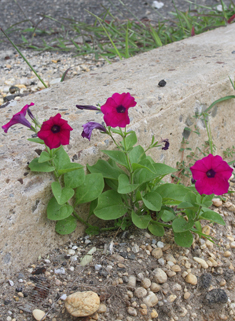
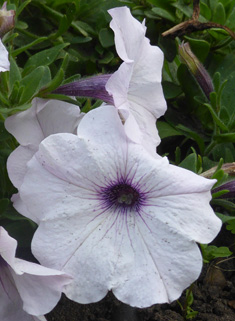
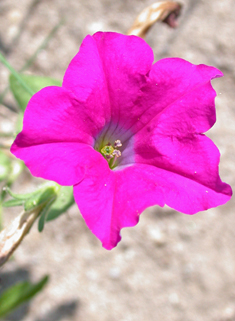
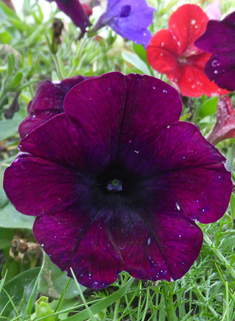
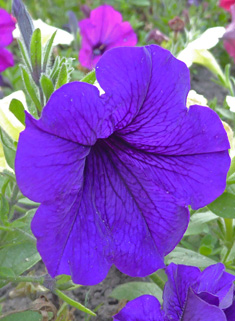
Cultivated Petunia Petunia x atkinsiana
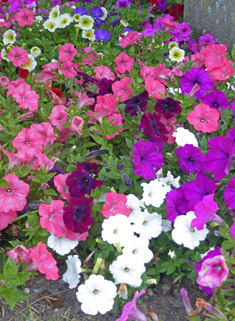
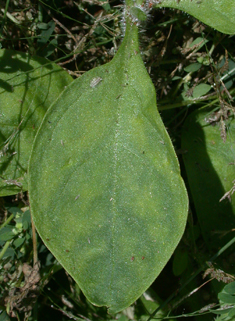
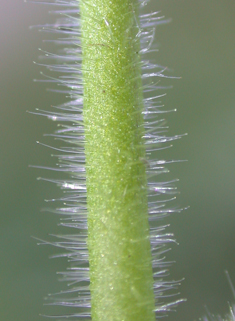
(Petunia axillaris x P. integrifolia, Petunia x hybrida) A plant of garden origin, popular in hanging baskets and amenity flowerbeds and occasionally self-seeding into nearby ground in urban areas. Flowers June to October. Leaves and stems clammy to the touch due to glandular hairs. Flowers come in a wide range of colours, either single-coloured or bi-coloured with white stripes, typically rather large and floppy, 60-80mm across.
| |
 |
 |
 |
| |
|
|
|
 |
 |
 |
 |
| |
|
|
|
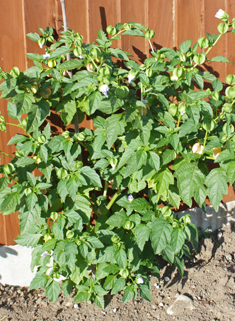
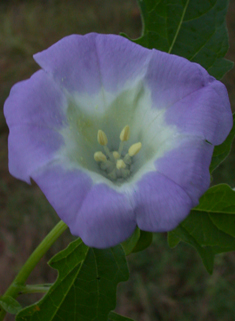
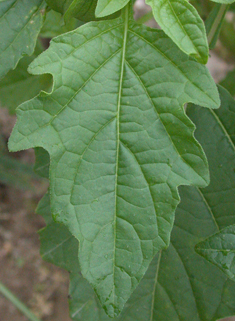
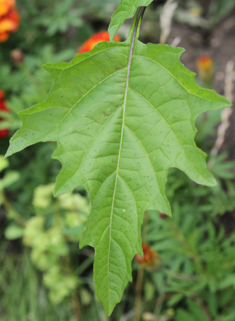
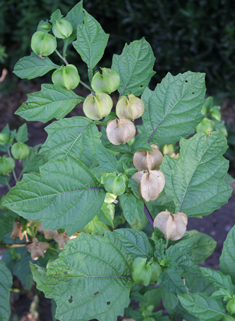
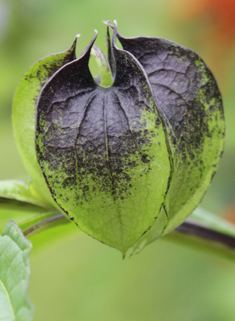
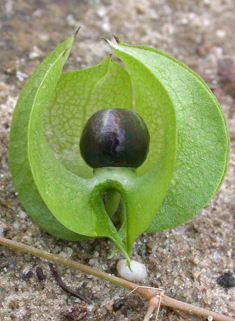
Apple-of-Peru Nicandra physalodes
Introduced from Peru, perhaps originally as a garden ornamental, but most often found as a seed contaminant in compost or topsoil and appearing as a weed in gardens and amenity areas. Has been recorded from St Mary's, St Martin's and Tresco. Flowers July to September. A bushy plant, to around a metre in height.
 |
|
 |
 |
| |
|
|
|
 |
 |
 |
 |
| |
|
|
|
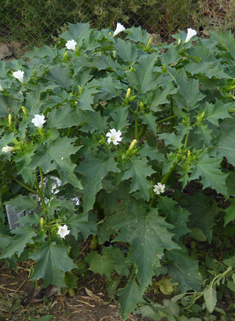
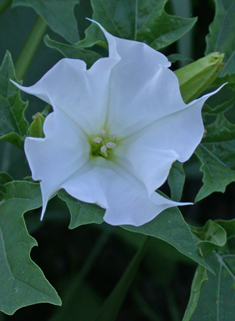
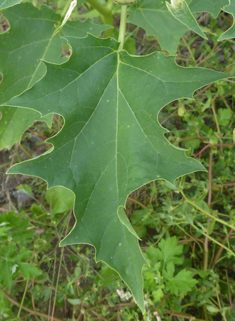
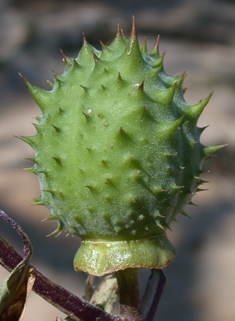
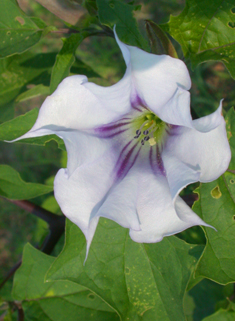
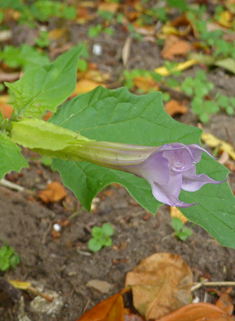
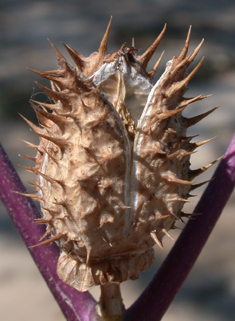
Common Thorn-apple Datura stramonium
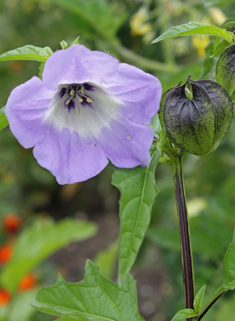
Introduced from the Americas, with occasional reports from St Mary's and Tresco. Flowers July to October. A bushy plant, sometimes to over a metre in height. Plants may be green-stemmed with white flowers (variety stramonium), or purple-stemmed with pale lilac flowers (variety chalybaea).
 |
 |
 |
 |
| |
|
|
|
 |
 |
 |
|
| |
|
|
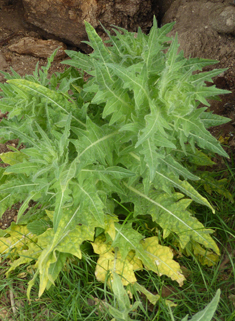
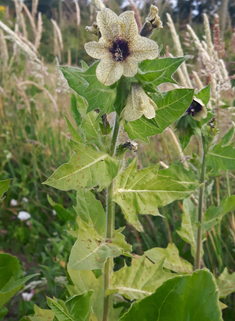
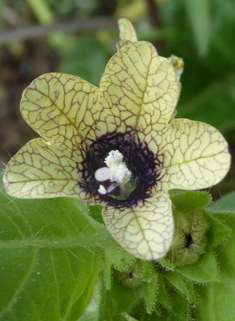
Common Henbane Hyoscyamus niger
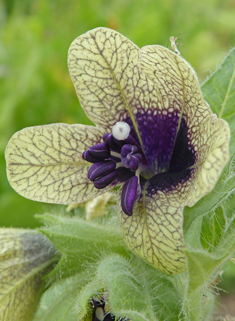
An archeophyte, with occasional records from several of the larger islands, but never persisting for long. Flowers June to August. A plant covered in dense, clammy hairs and with highly distinctive flowers.
 |
 |
 |
|
| |
|
|
|
 |
|||
| |
Sweet Tobacco Nicotiana alata
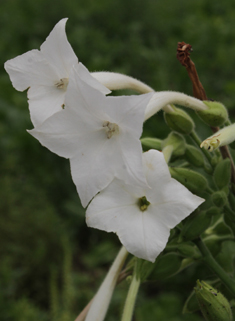
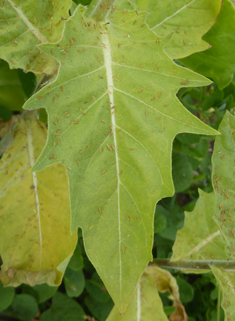
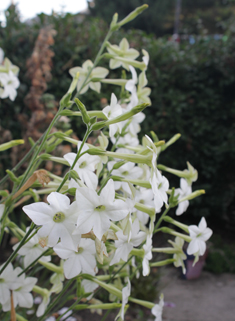
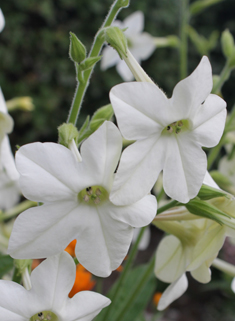
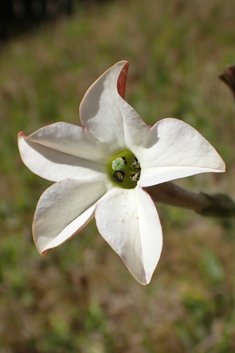
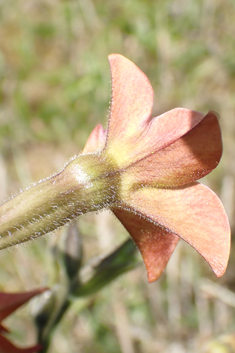
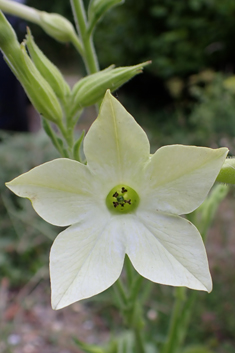
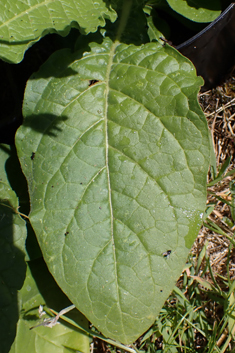
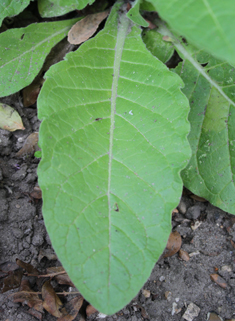
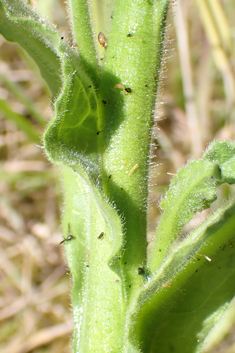
Originally introduced from South America but much grown and available in a variety of forms in cultivation. Recorded from Tresco in 2004. Flowers June to September. May grow to a metre in height but modern varieties used for bedding are often much shorter. Basal leaves to 25cm in length, not persisting as flowering starts. Stem leaves decurrent (their bases running down the stem). Flowers typically chalky white with the stamens attached above the middle of the corolla tube, reverse of the petals often pale green or rusty-tinted.
 |
 |
 |
 |
| |
|
|
|
 |
 |
 |
 |
| |
|
|
|
Red Tobacco Nicotiana forgetiana
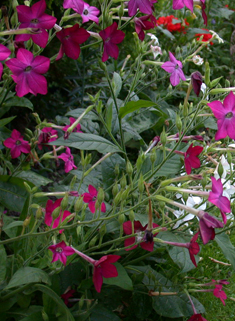
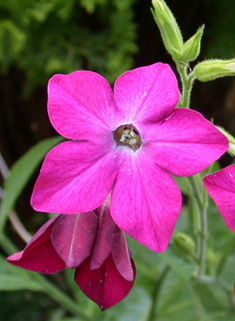
Originally introduced from South America but much grown and available in a variety of forms in cultivation. Not recorded since the 1990s and less often grown these days, having been superceded by modern hybrids. Flowers June to September. May grow to a metre in height but modern varieties used for bedding are often much shorter. Basal leaves to 25cm in length, persisting as flowering starts. Stem leaves not decurrent (their bases not running down the stem). Flowers typically reddish with the stamens attached below the middle of the corolla tube.
 |
 |
| |
|