Toadflaxes
What are they?
The toadflaxes are an attractive bunch of plants, with readily recognised flowers. Perhaps the most familiar example of the group is the Snapdragon, which is commonly grown as a garden plant. The flowers are tubular at the base - with five petals that are fused into a single tube. Towards the open end, the flowers expand into a two lipped mouth, with three petals fused at the base and two at the top. Squeezing the flower at the sides will cause it to open and shut like a mouth, from where we get the name 'snapdragon'. Many species have a long spur at the back, which carries nectar. These plants were all once considered to be members of the figwort family (Scrophulariaceae) but more recently, most have been moved to the plantain family (Plantaginaceae).
Where are they found?
This is a diverse bunch of plants that can be found in a wide range of habitats, but most will be found in grassy places, while many are garden ornamentals that are most likely to be found on disturbed ground or in urban environments.
Identification
The toadflaxes here should be quite straightforward to identify with attention to the combination of flower and leaf details.
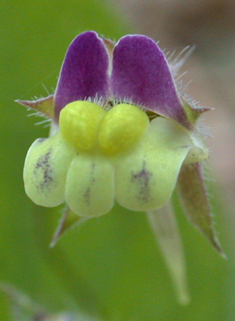
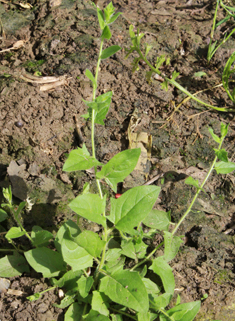
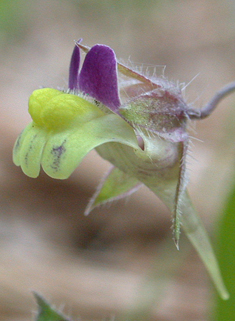
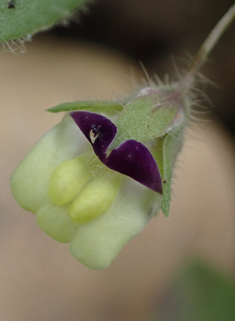
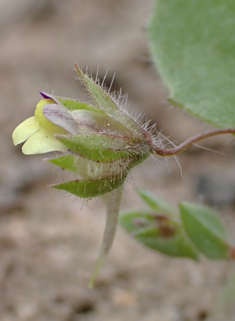
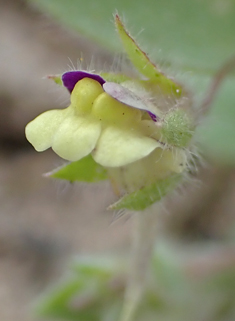
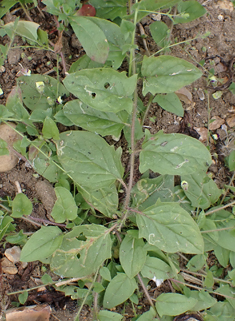
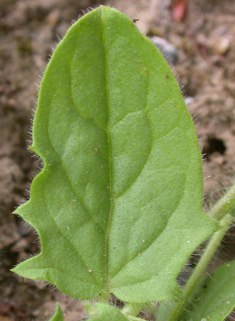
Sharp-leaved Fluellen Kickxia elatine
A weed of cultivated fields. Flowers July to October. A trailing annual plant with leaves like those of Field Bindweed, but hairy. Leaves very variable in shape but always with a few pointed lobes. Flowers solitary in the leaf axils on stems more or less hairless except close to the flower, flowers small - just 7-11mm long.
 |
 |
|
 |
| |
|
|
|
 |
 |
 |
 |
| |
|
|
|
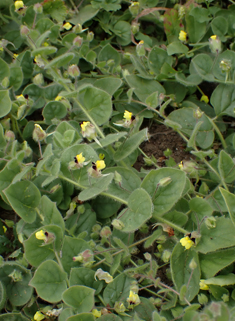
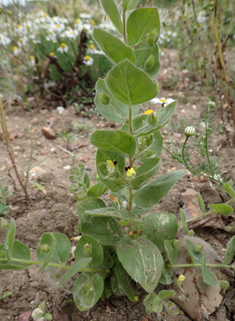
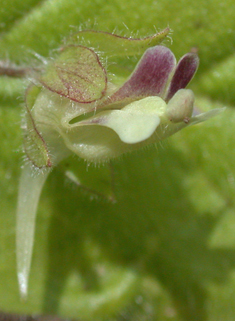
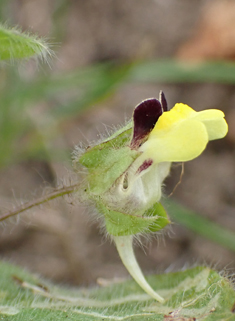
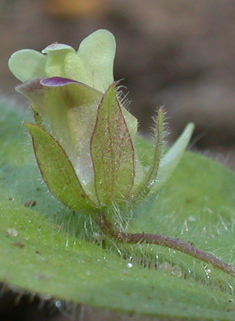
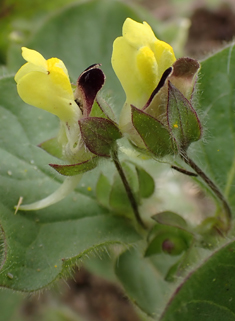
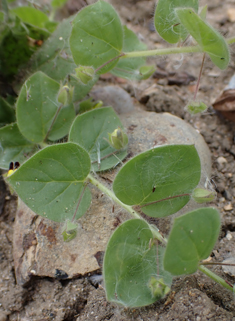
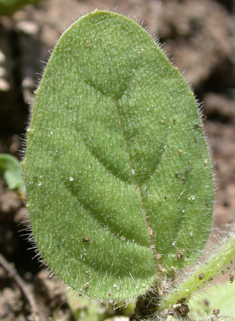
Round-leaved Fluellen Kickxia spuria
A weed of cultivated fields, recorded in the 1990s from St Agnes but considered unconfirmed. Flowers July to October. A trailing annual plant with rounded, hairy leaves. Flowers solitary in the leaf axils on stems noticeably clothed in long hairs, flowers small - just 7-11mm long.
 |
 |
 |
 |
| |
|
|
|
 |
 |
 |
 |
| |
|
|
|
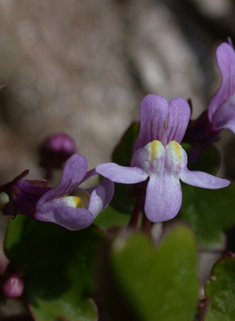
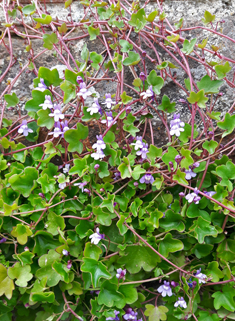
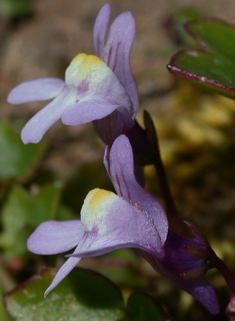
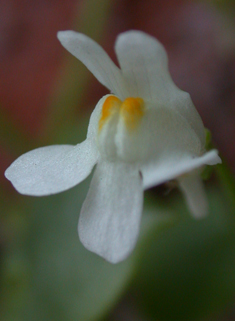
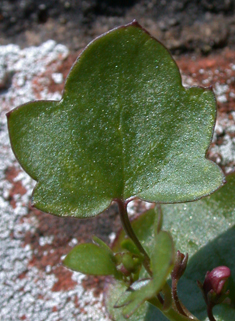
Common Ivy-leaved Toadflax Cymbalaria muralis
Introduced as a garden plant from the Mediterranean region and now found trailing and scrambling over walls on St Mary's, St Martin's and Tresco. Flowers May to September. Easily identified from its ivy-like leaves, toadflax flowers and trailing habit. Flowers usually pale violet, but sometimes white.
 |
 |
 |
 |
| |
|
|
|
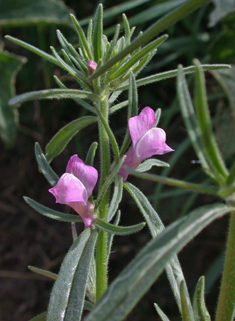
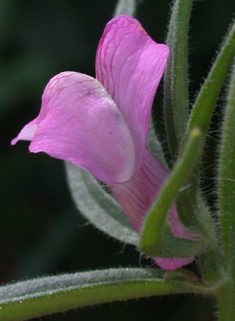
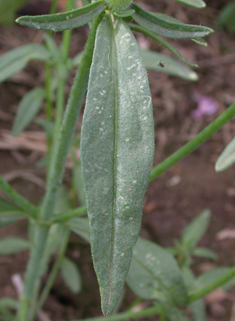
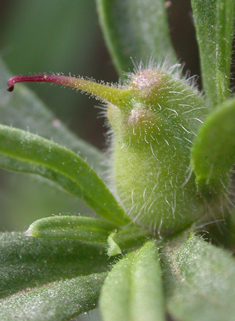
Weasel's-snout Misopates orontium
An ancient introduction, once established on light, sandy soils. Now rare and sporadic on the inhabited islands. Flowers July to October. Resembles Common Snapdragon, but the flowers are carried singly in the leaf axils, not in a terminal spike. Flowers 10-17mm long.
 |
 |
 |
 |
| |
|
|
|
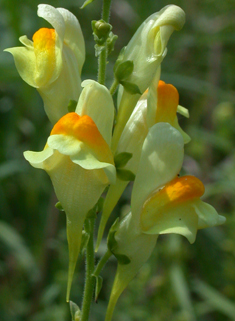
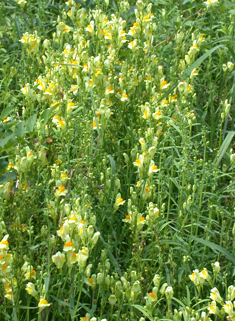
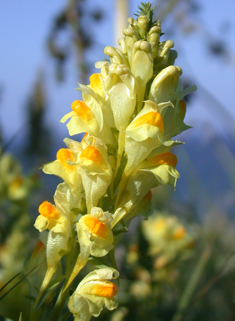
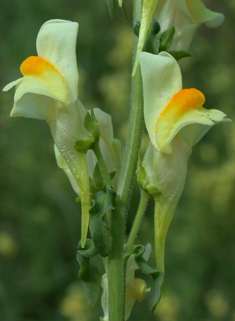
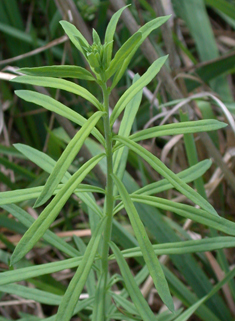
Common Toadflax Linaria vulgaris
Native elsewhere in the UK but only a sporadic introduction on the islands with records from St Mary's and St Agnes. Flowers June to October. A perennial species which can form quite extensive patches of bright yellow flowers and sometimes known as Butter-and-eggs. Flowers have a very long nectar spur at the base.
 |
 |
 |
 |
| |
|
|
|
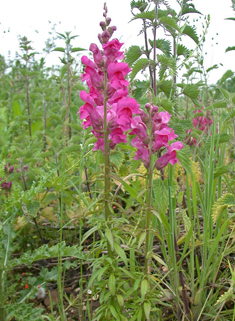
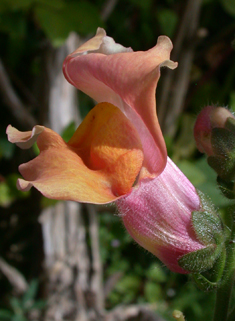
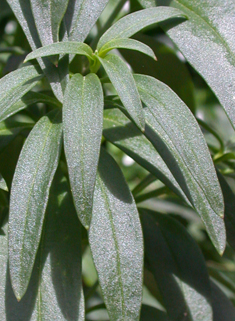
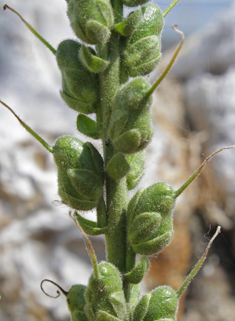
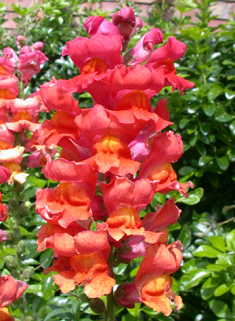
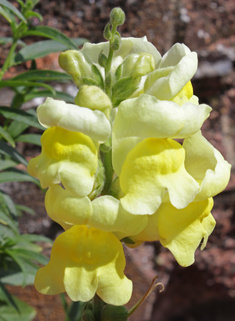
Common Snapdragon Antirrhinum majus
Introduced as a garden plant from the Mediterranean region and recorded from St Mary's and St Agnes. Flowers June to September. Flowers come in a wide range of colours and have no nectar spur at the base.
| |
 |
 |
 |
| |
|
|
|
 |
 |
||
| |
|