Stonecrops and allies
What are they?
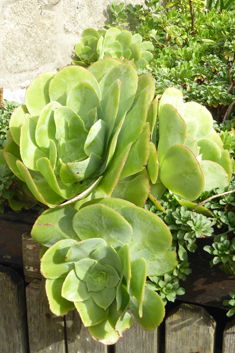
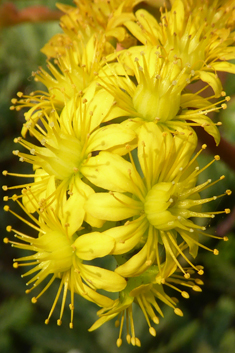
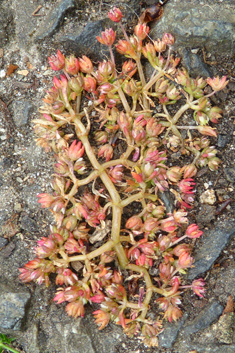
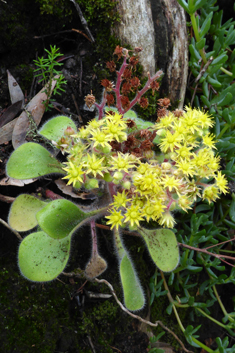
This is a rather diverse group of plants but all have succulent leaves and deal well with prolonged spells of dry weather. The majority of species are introduced from warmer climes, but do well in the ameliorated climates of the Isles of Scilly.
Where are they found?
As succulents with a structure designed to store water for the plant, these species do well in dry and exposed locations. Species are typically found either in dry, coastal sands or growing from exposed locations such as walls and coastal, rocky locations.
Identification
Most species are relatively straightforward to identify, using a combination of flower and leaf details. However, the Aeoniums are rather more complicated, not least because the identification of some of the plants on the islands has not been unequivocally determined.
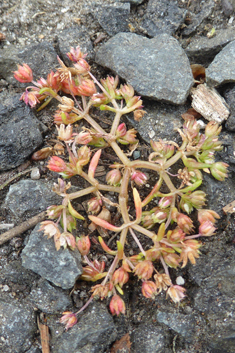
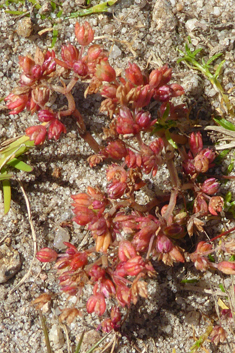
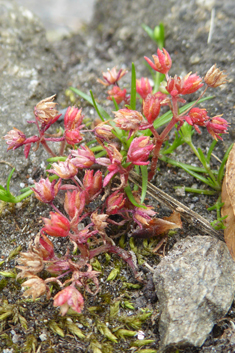
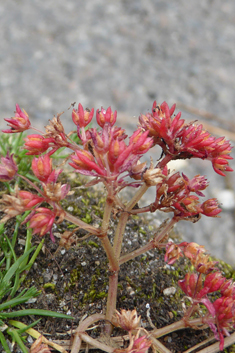
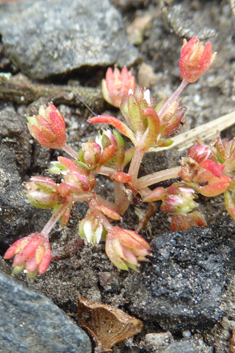
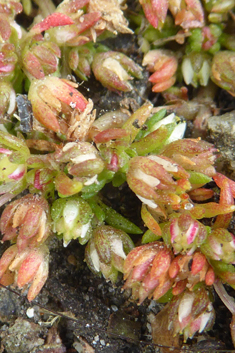
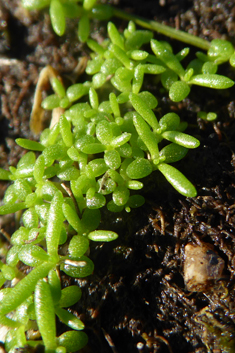
Decumbent Pigmyweed Crassula decumbens
(Scilly Pigmyweed) Native to Chile, South Africa and Australia. Established towards the Northwest corner of St Mary's and more recently found spreading along a pavement and roadside on St Mary's. A tiny plant, often germinating in the autumn and flowering the following summer. Leaves green at first, becoming red with age, 3-6mm long. Petals 1.3-2mm long, white or tinged pink.
| |
 |
 |
 |
| |
|
|
|
 |
 |
 |
 |
| |
|
|
|
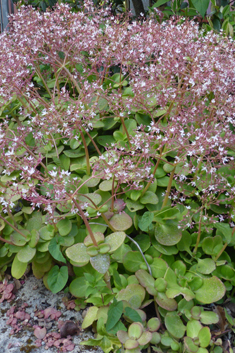
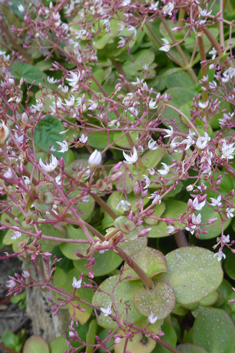
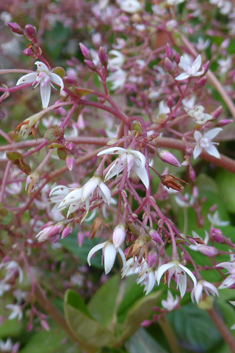
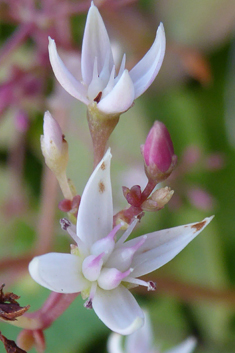
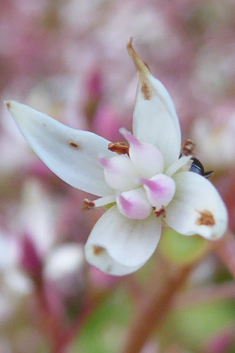
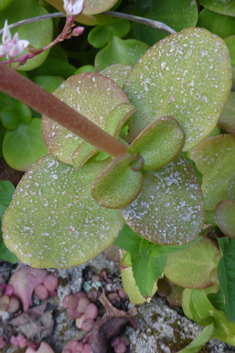
Fairy Pigmyweed Crassula multicava
Native to South Africa. Recorded as an escape from Tresco Abbey Gardens and single records from St Mary's and St Martin's. A tiny plant, often germinating in the autumn and flowering the following summer. Leaves green at first, becoming red with age, 3-6mm long. Petals 1.3-2mm long, white or tinged pink.
 |
 |
 |
| |
|
|
 |
 |
 |
| |
|
|
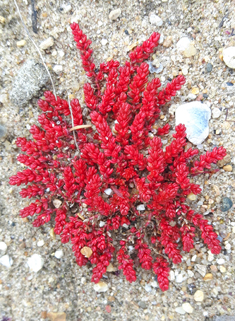
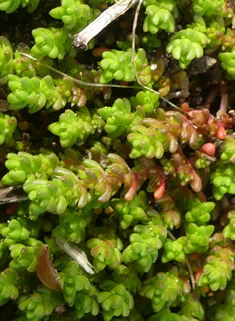
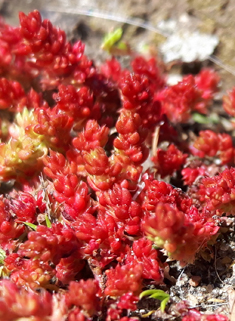
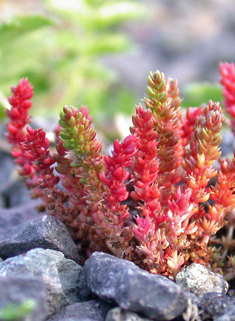
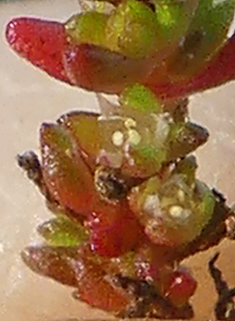
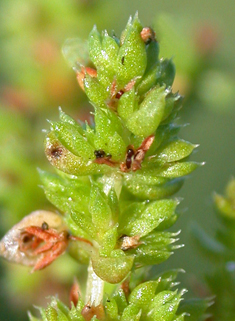
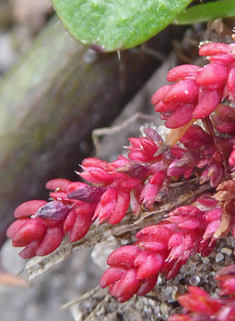
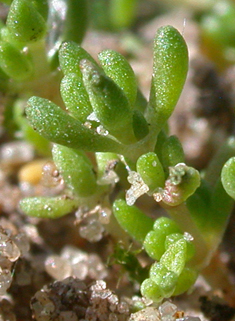
Mossy Stonecrop Crassula tillaea
Native in the UK but introduced in the Isles of Scilly. First recorded on St Martin's in 2021 and St Mary's in 2022. Flowers June to July, but these are minuscule and easily missed. A tiny annual plant, growing to around 3cm in height that would go completely unnoticed or passed off as a moss but for the bright red coloration that it turns in open, sunny places. Leaves fleshy like a tiny stonecrop but you'll need a hand lens and a lie down to get a look at it!
 |
 |
 |
 |
| |
|
|
|
 |
 |
 |
 |
| |
|
|
|
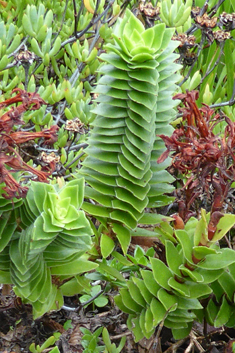
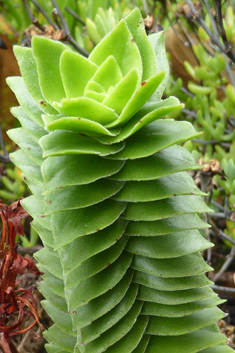
Red-flowered Stonecrop Crassula coccinea
Native to South Africa. Introduced to Tresco Abbey Gardens and recorded as a garden escape from St Mary's. Distinctive with its upright stems and layers of rich green, imbricate leaves. Flowers bright red.
 |
 |
| |
|
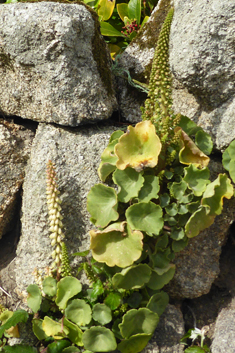
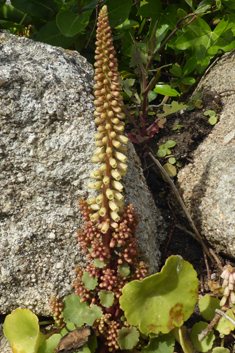
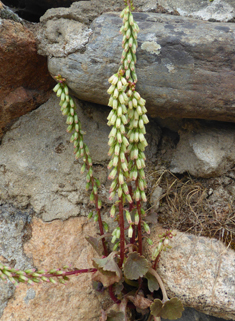
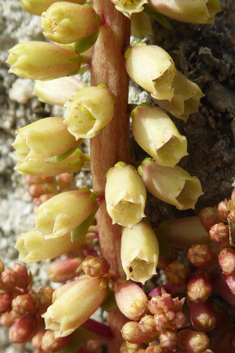
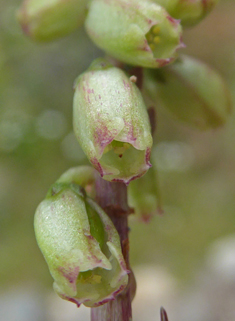
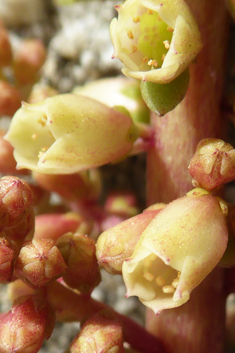
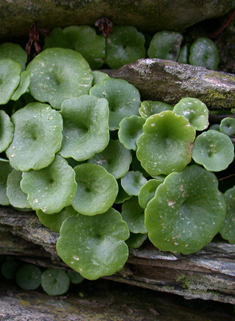
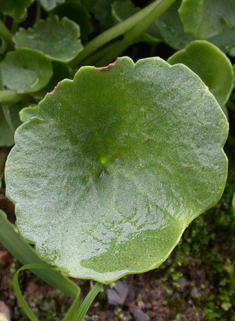
Common Navelwort Umbilicus rupestris
Native. Widespread and common on walls and rocky places. Flowers June to August, in upright spikes. Leaves rounded, attached to their stalks at the centre of the leaf.
 |
 |
 |
 |
| |
|
|
|
 |
 |
 |
 |
| |
|
|
|
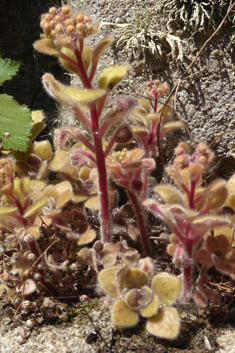
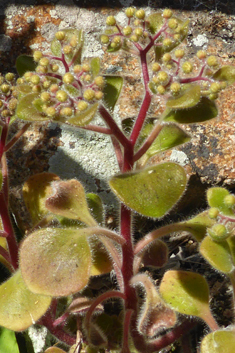
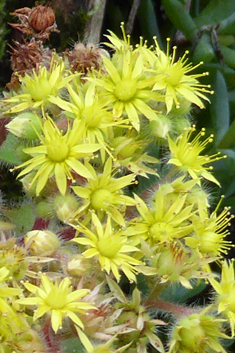
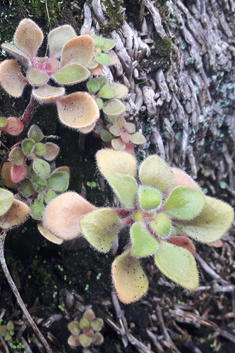
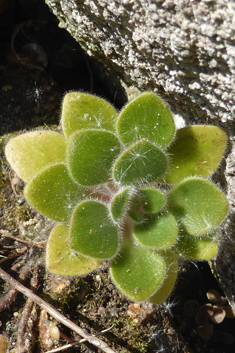
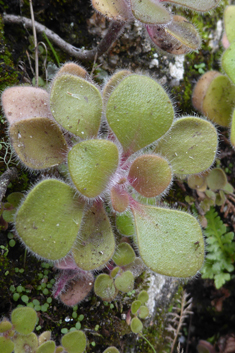
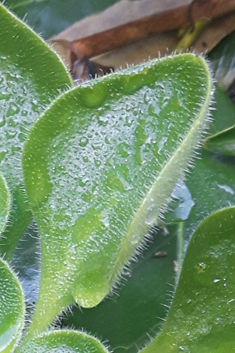
Annual Houseleek Aichryson laxum
(Tree of Love) Native to the Canary Islands. Introduced to Tresco Abbey Gardens and recorded as an escape nearby. A tiny plant, typically to about 10-20cm in height.
 |
 |
|
 |
| |
|
|
|
 |
 |
 |
 |
| |
|
|
|
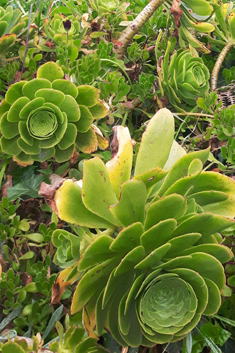
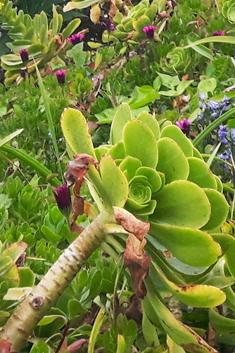
Tree Aeonium Aeonium arboreum
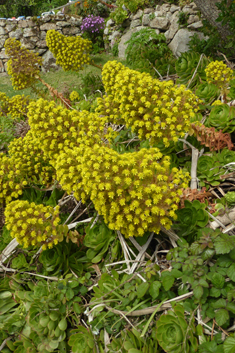
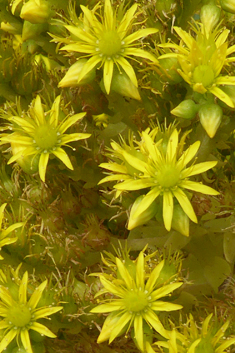
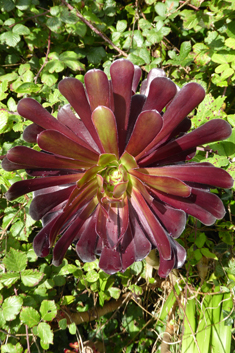
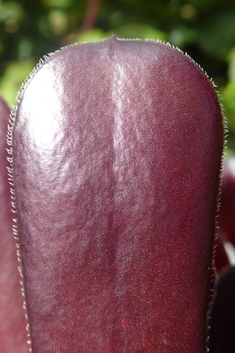
Native to the Canary Islands. Introduced to Tresco Abbey Gardens and recorded as an escape nearby. Widely planted on the inhabited islands. Plants start as basal rosettes and form upright or trailing stems to 1.5m in length over time. Leaves with glands on the underside, ciliate margins and an apiculate tip. Flowers in large, broadly conical heads. The cultivar 'Atropurpureum' has dark purple-red foliage and is widely grown in gardens.
 |
 |
 |
 |
| |
|
|
|
 |
 |
||
| |
|
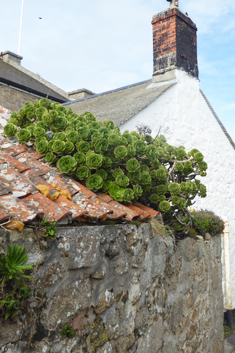
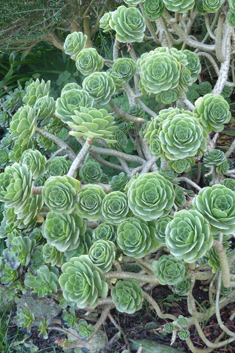
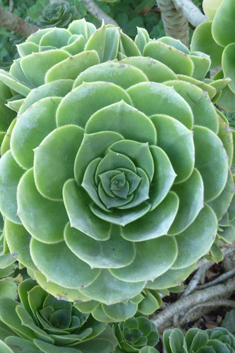
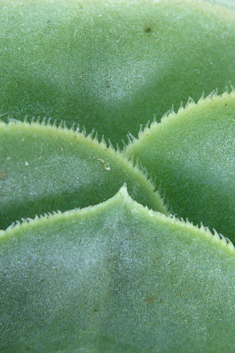
Balsam Aeonium Aeonium balsamiferum
Native to Fuerteventura and Lanzarote, Canary Islands. Introduced to Tresco Abbey Gardens and grown as a garden plant elsewhere. Scattered records from the inhabited islands but probably underrecorded due to identification confusion with Ae. arboreum. Plants start as basal rosettes and form upright or trailing stems to 1m in length over time. Leaves with glands on the underside, ciliate margins and an apiculate to acute tip. Compared with Tree Aeonium, the leaves tend to be bluer-green, more obovate (with broader tips) rather than spathulate and more strongly pointed at the tip. Plants have a distinct, balsam smell, but this is not always obvious in cool weather.
 |
 |
 |
 |
| |
|
|
|
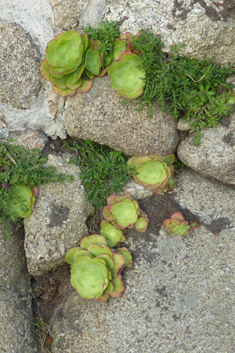
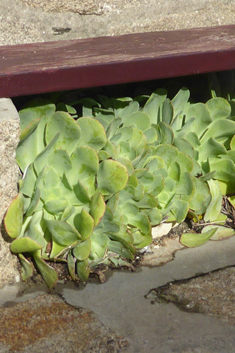
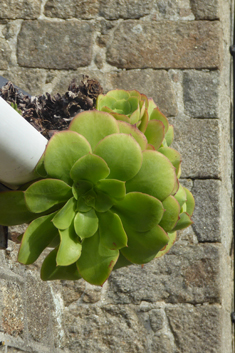
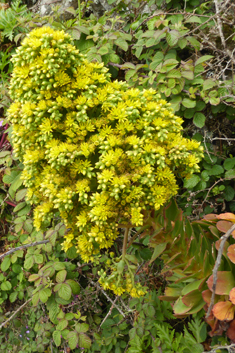
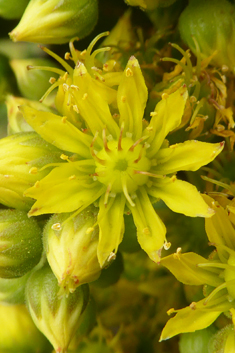
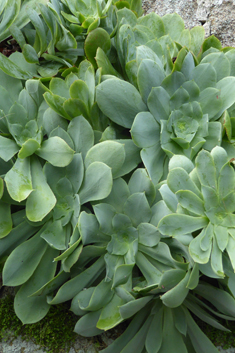
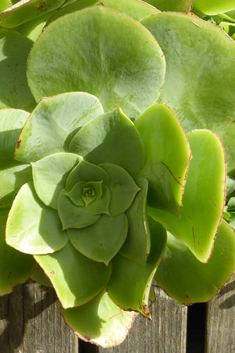
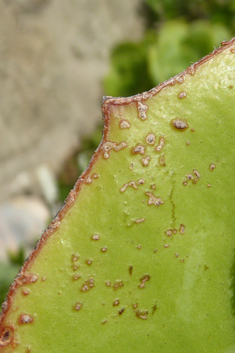
Cuneate Aeonium Aeonium cuneatum
Native to Tenerife, Canary Islands. Introduced to Tresco Abbey Gardens and grown as a garden plant elsewhere. Scattered records from the inhabited islands. Plants form stemless rosettes, spreading sideways through the development of further rosettes. Leaves slightly galucous, broadly cuneate and without ciliate margins.
 |
 |
 |
 |
| |
|
|
|
 |
 |
 |
 |
| |
|
|
|
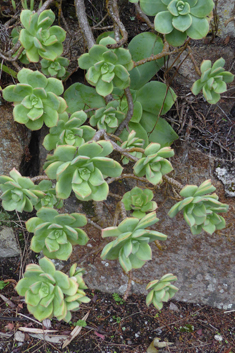
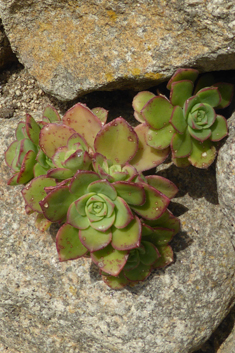
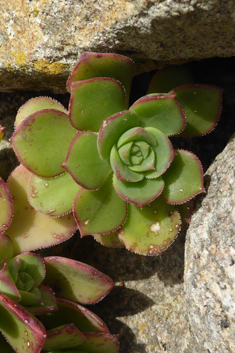
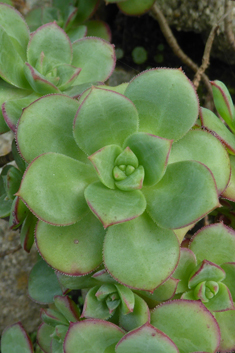
Haworth's Aeonium Aeonium haworthii
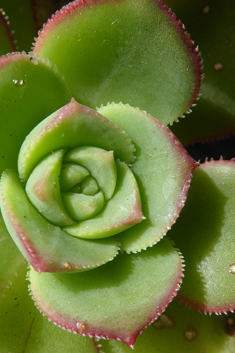
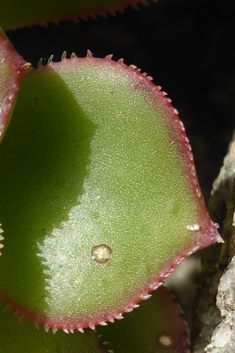
Native to Tenerife and La Palma, Canary Islands. Introduced to Tresco Abbey Gardens and grown as a garden plant elsewhere. Plants form small rosettes of glaucous, red-edged, ciliate leaves and eventually form short stems.
 |
 |
 |
 |
| |
|
|
|
 |
 |
||
| |
|
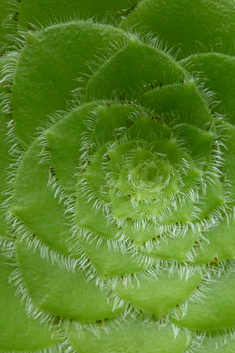
Saucer Aeonium Aeonium tabulaeforme
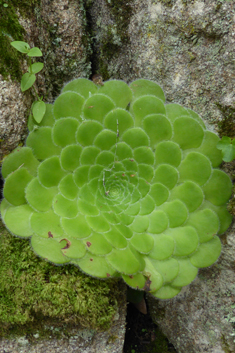
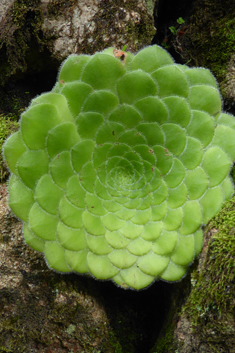
Native to Tenerife, Canary Islands. Introduced to Tresco Abbey Gardens where it regenerates freely, but apparently not yet recorded from outside of the gardens. Plants form disk-like rosettes, 10-30cm across.
 |
 |
 |
| |
|
|
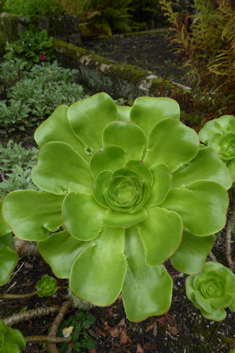
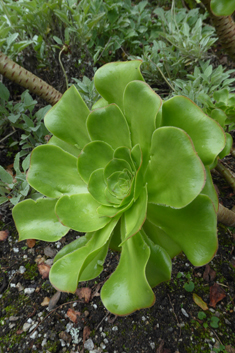
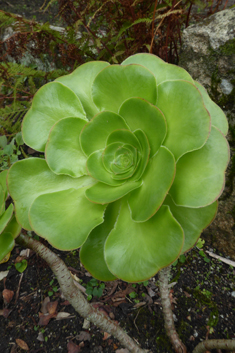
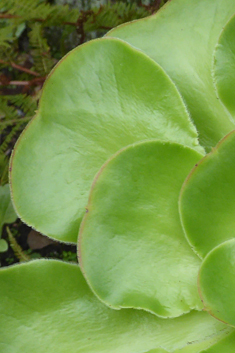
Undulate Aeonium Aeonium undulatum
Native to Gran Canaria, Canary Islands. Introduced to Tresco Abbey Gardens where it has regenerated, but apparently not yet recorded from outside of the gardens. Leaves bright, shiny green, slightly waved and often with down-turned tips.
 |
 |
 |
 |
| |
|
|
|
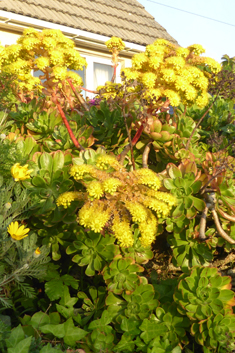
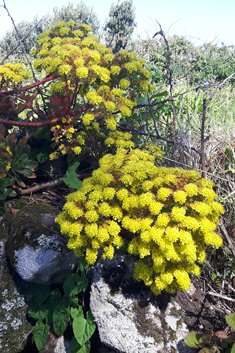
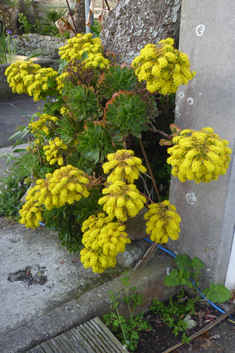
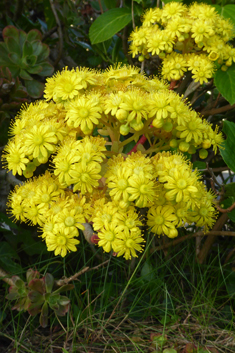
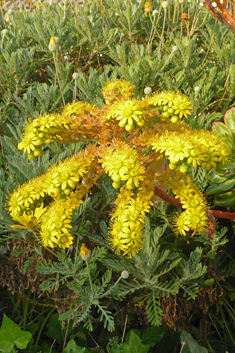
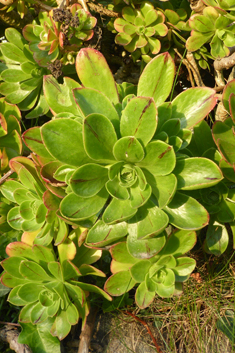
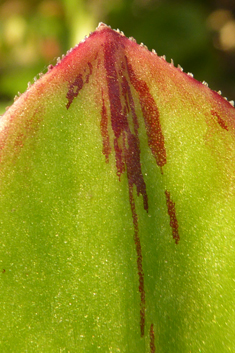
Aeonium x holospathulatum
(Aeonium arboreum subsp. holochrysum x Ae. spathulatum) Widespread as a garden ornamental. Leaves with acute tips and a reddish stripe along the midrib.
 |
 |
 |
 |
| |
|
|
|
 |
|
 |
 |
| |
|
|
|
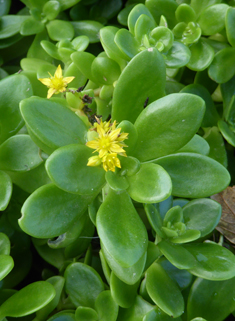
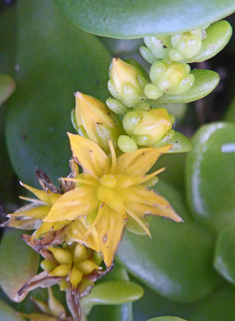
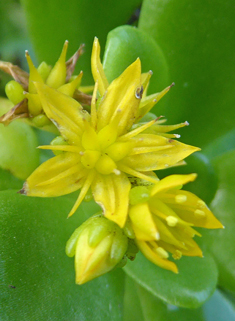
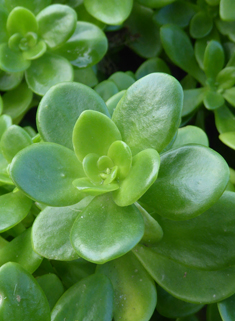
Lesser Mexican Stonecrop Sedum kimnachii
Introduced from Mexico as a garden ornamental. Recorded as a garden escape on St Mary's. Flowers June to August. Stems spread to form loose hummocks of vegetation. Leaves mostly less than 4.5cm long and about twice as long as broad, rounded and without strongly toothed or waved margins.
 |
 |
 |
 |
| |
|
|
|
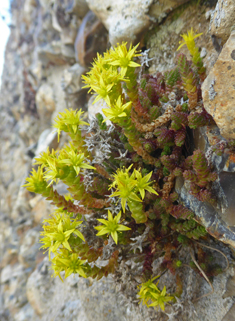
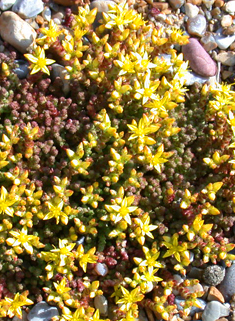
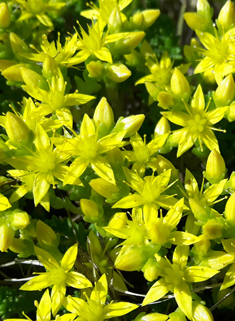
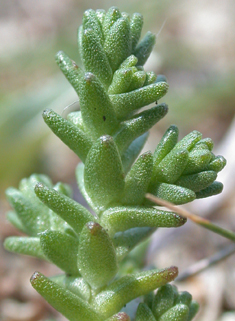
Biting Stonecrop Sedum acre
Native. In coastal, sandy habitats. Scattered in a few places, most frequent on Bryher. Flowers June to July. Forms creeping mats to no more than 10cm in height. Leaves flattened on the upper side, broadest at the base and narrowing to a rounded point.
 |
 |
 |
 |
| |
|
|
|
White Stonecrop Sedum album
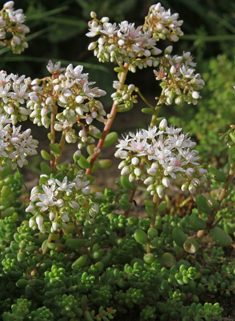
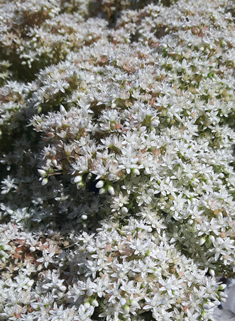
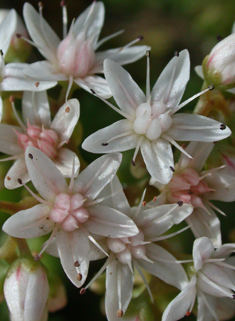
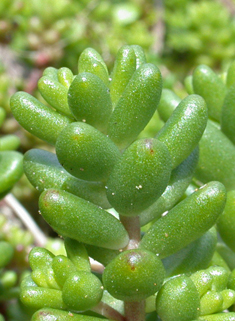
Introduced from mainland Europe as a garden ornamental. Recorded around Hughtown, St Mary's and on St Agnes. Flowers June to August. Forms creeping mats to 15cm in height. Flowers very prolific, often crowding out the rest of the plant from view. Leaves thick and rounded, often slightly flattened on the upper side; green or tinged with red.
 |
 |
 |
 |
| |
|
|
|
English Stonecrop Sedum anglicum
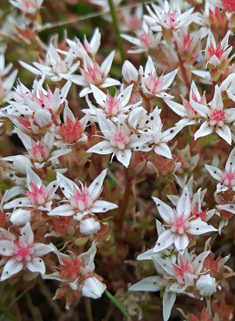
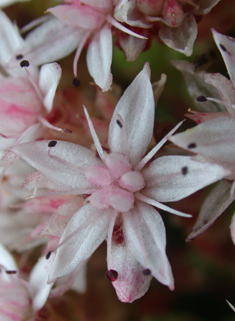
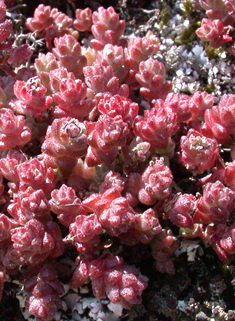
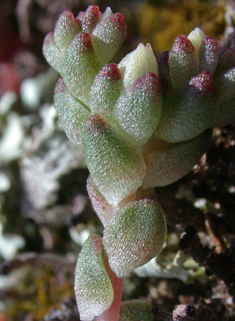
Native Common throughout all but the smallest islets. Flowers June to August. A small, mat-forming species growing to no more than 10cm in height. Leaves oval, narrower towards the tip and strongly thickened; grey-green in colour but often strongly reddened, especially on exposed coastal sites. Flowers white or flushed pale pink. Petals narrower and more pointed than those of White Stonecrop and carried in smaller clusters.
 |
 |
 |
 |
| |
|
|
|