Spike-rushes and Allies
What are they?
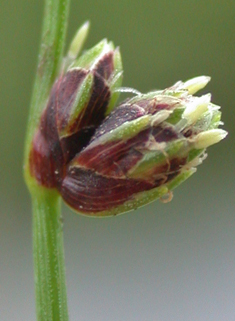
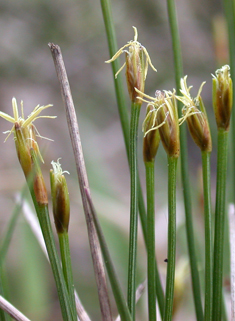
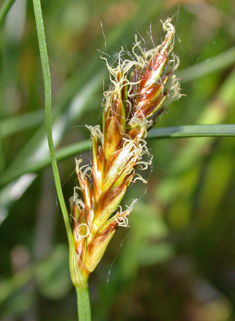
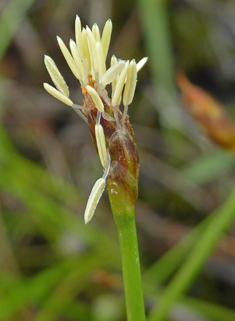
The plants on this page are all members of the Sedge Family (Cyperaceae) but all differ from the sedges in the genus Carex in having perfect flowers, i.e. flowers that bear both male and female parts. Typically, the female stigmas mature first, with the stamens following later and there may sometimes be an overlap between the last stigmas and first stamens within a spikelet of flowers. In this group, the flowers are greatly reduced, rather like they are in the grasses. Each flower has a single bract at its base, accompanied by the stamens and stigma. The remains of a perianth (what would be the petals and sepals in many flowers) often exist as a series of small bristles at the base of the flower.
Where are they found?
The great majority of plants in this group are wetland species and can be found in wet habitats or, often, growing within the margins of standing water.
Identification
The various genera within this broad group of plants are different enough from each other to be easy to tell apart from the photographs. However, within the genera, careful attention to detail of the flower or fruit structures is sometimes required. This may require a microscope as the fruits in particular are very small, so it may be necessary to take a small sample home for later study. Small portions of a flower cluster can be removed without the need to take large quantities.
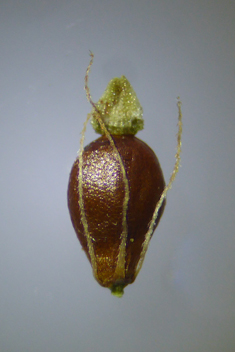
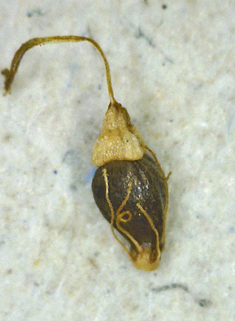
In the Eleocharis species, it is important to check details of the lowest flower bract (or glume) in the flower spike, the number of flowers in the spike (which can be determined by counting the visible bracts) and the number of stigmas in a flower or the shape of the nutlet. In some species, you may need to check the number of perianth bristles - tiny, hair-like structures that can best be seen at the base of the nutlet after flowering has finished.
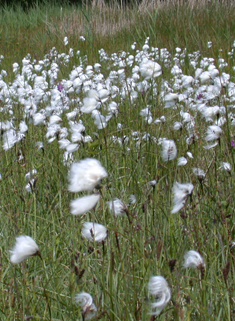
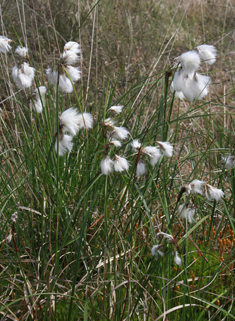
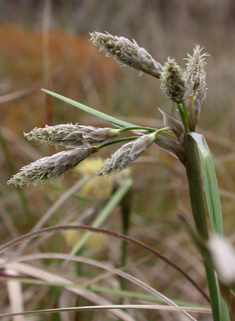
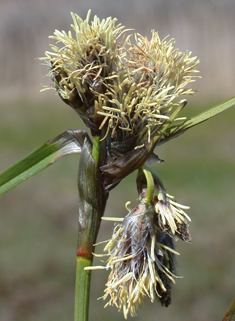
Common Cottongrass Eriophorum angustifolium
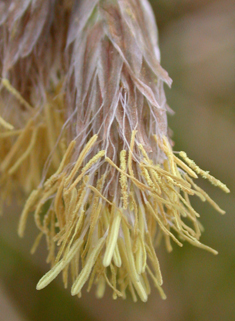
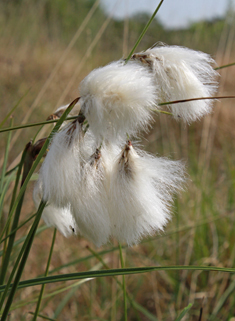
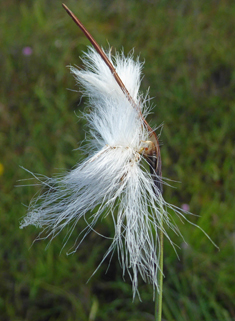
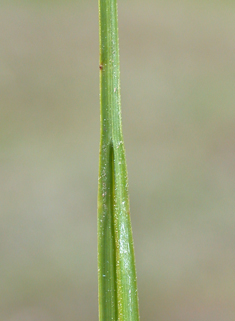
Native. Favours acid bogs and mires but disappeared from former sites on St Mary's in the late 1990s. Flowers May to June. Plants 15-60cm in height with slender, loosely scattered (not tufted), rounded stems. Leaves 2-60cm long and 3-5mm wide, flattened, channelled but with the channel ending well short of the leaf tip. Flowers carried in a cluster of club-like spikelets, emerging upright but soon pendulous. Flowerhead branchlets (peduncles) smooth.
Flowering heads of cottongrasses resemble those of some sedges, but the floral bristles extend to become a cottony mass of hairs with the onset of fruiting and these fluffy heads are persistent through autumn and early winter, giving the plants their name.
 |
 |
 |
 |
| |
|
|
|
 |
 |
 |
 |
| |
|
|
|
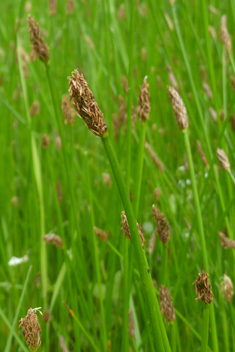
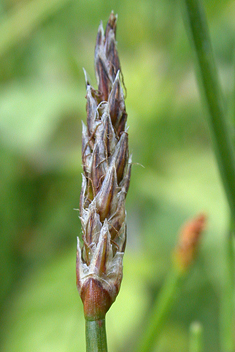
Common Spike-rush Eleocharis palustris
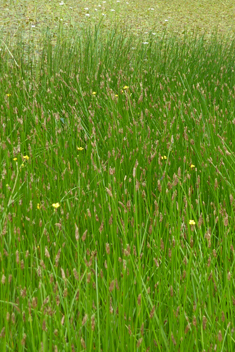
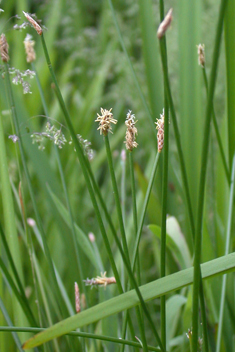
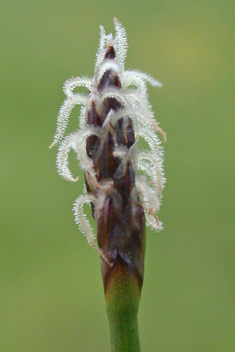
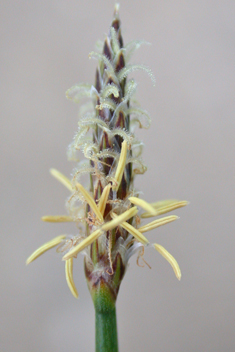
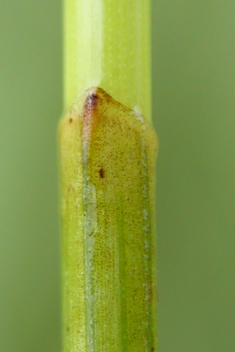
Native. Sacttered in permanent wetlands on the larger islands. Flowers May to July. Plants 10-75cm in height, forming spreading colonies of wiry, upright stems. Leaves reduced to just their sheaths, appearing as ring-like structures around the stems. Flowerhead a terminal spike of 10 or more flowers, 5-30mm long with the lowest flower bract not fully encircling the base of the spike and the two lowest bracts without flowers. Stigmas 2, nutlet bi-convex with 0-4 perianth bristles.
 |
 |
 |
 |
| |
|
|
and anthers mature |
 |
 |
 |
 |
| |
|
|
|
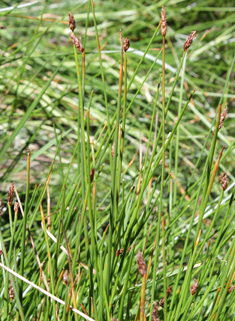
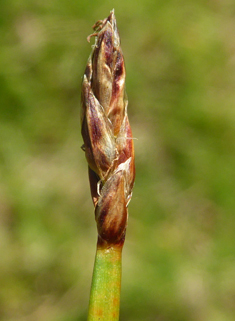
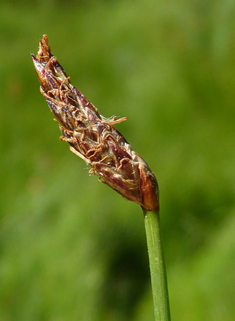
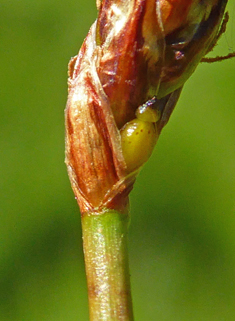
Slender Spike-rush Eleocharis uniglumis
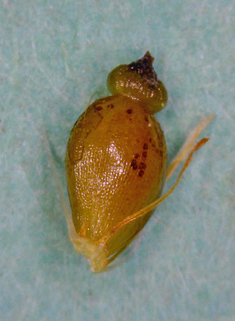
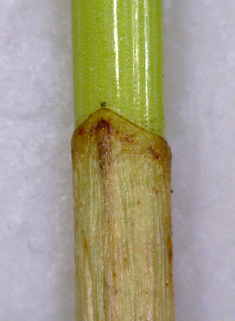
Native. Recorded from permanent wetlands on St Mary's, St Agnes and Tresco. Flowers May to July. Plants 10-60cm in height, forming spreading colonies of wiry, upright stems. Leaves reduced to just their sheaths, appearing as ring-like structures around the stems. Flowerhead a terminal spike of 10 or more flowers, 5-12mm long with the lowest flower bract more or less encircling the base of the spike and only the lowest bract without flowers. Stigmas 2, nutlet bi-convex with 0-4 perianth bristles. This species often has spikes that lean strongly to one side when fruiting.
 |
|
 |
 |
| |
|
|
|
 |
 |
 |
|
| most bract |
|
|
Many-stalked Spike-rush Eleocharis multicaulis
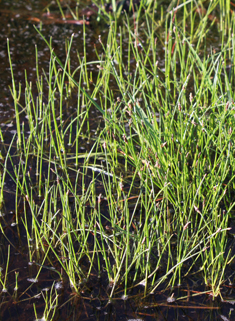
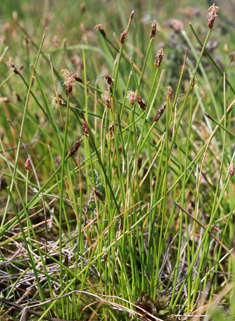
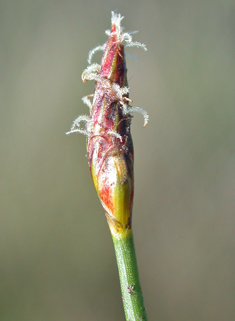
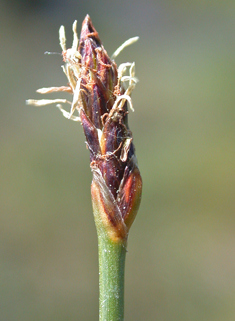
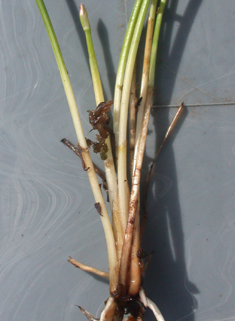
Native. Uncommon in permanent wetlands on St Mary's, St Agnes and Tresco. Flowers May to July. Plants 15-40cm in height, forming tight tussocks of upright stems. Leaves reduced to just their sheaths, appearing as ring-like structures around the stems. Flowerhead a terminal spike of 10 or more flowers, 5-15mm long with the lowest flower bract not fully encircling the base of the spike and only the lowest bract without a flower. Stigmas 3, nutlet three-sided with 4-6 perianth bristles.
 |
 |
 |
 |
| |
|
|
|
 |
 |
 |
|
| |
|
|
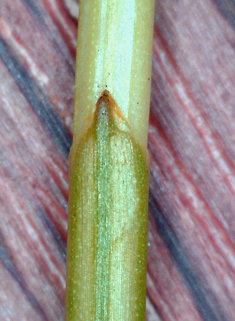
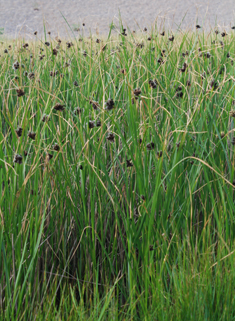
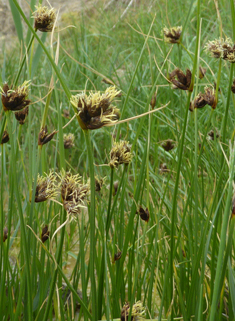
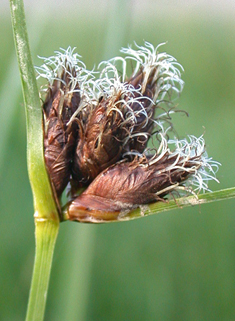
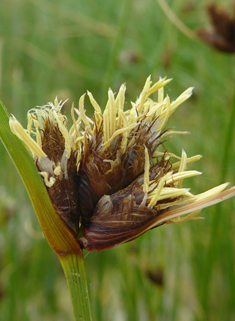
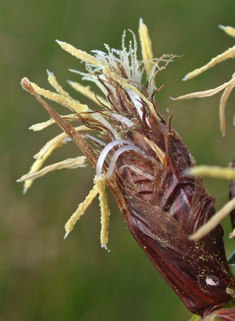
Sea Club-rush Bolboschoenus maritimus
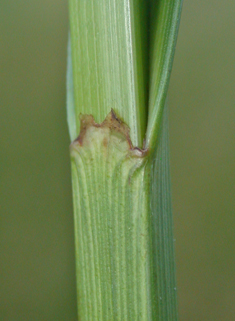
Native. Scattered in a few permanent wetlands on most of the larger islands. Flowers June to August. Plants 25-100cm in height, spreading by rhizomes to produce swards of vegetation. Leaves 10-35cm long, broad and grass-like. Flowerhead a cluster of 1-10 spikelets and accompanied by a long, leaf-like bract. The spikelets are typically densely clustered but may sometimes be on longer branchlets, producing a more open head.
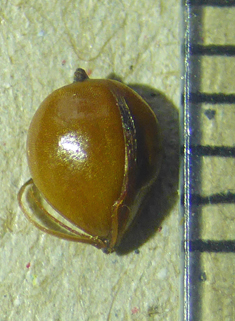
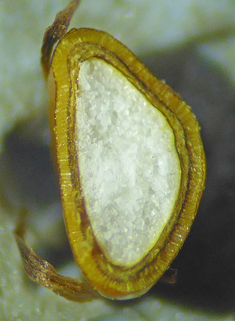
Until quite recently, this could be considered a distinctive and easily-recognisable species. However, more recently, Inland Club-rush has been found in the UK, so care needs to be taken with plants further from the coast or around fresher bodies of water. Sea Club-rush has a rounded fruit with 0-2 perianth bristles at its base. The nutlets inside are more or less plano-convex in cross-section; that is to say, flattened on one side and gently rounded on the other. Of the outer two layers, the outer will be seen to be thicker than the inner.
 |
 |
 |
 |
| |
|
|
|
 |
 |
 |
 |
| |
|
|
|
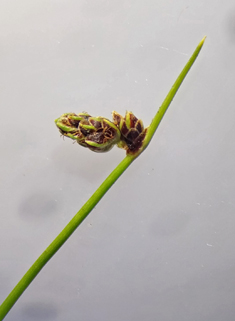
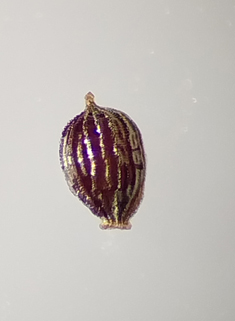
Bristle Club-rush Isolepis setacea
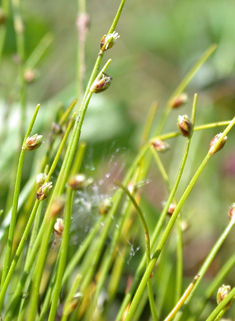
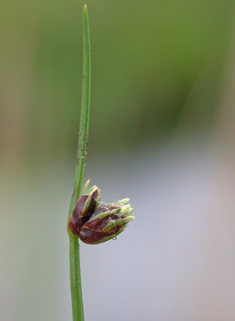
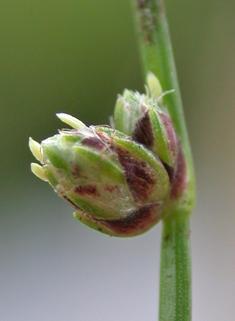
Native. Uncommon but widespread and recorded from seasonaly wet locations on the larger islands. Flowers May to July. Tiny annual plants, germinating in the autumn. Stems 2-15cm in height, forming tight tufts. Leaves hair-like, deeply channelled above. Flowerhead a terminal spike of 1-4 (sometimes more) spikelets, the spikelets 1.5-5mm long and the whole spike accompanied by a spike-like bract that is usually longer than the flower spike. Nutlets longitudinally ridged.
 |
 |
 |
|
| |
|
|
|
 |
 |
||
| |
|
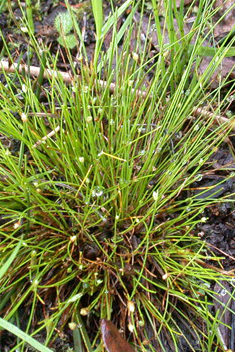
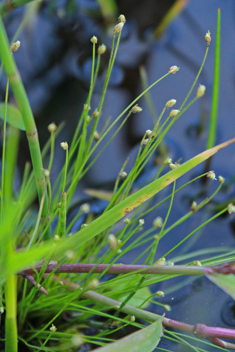
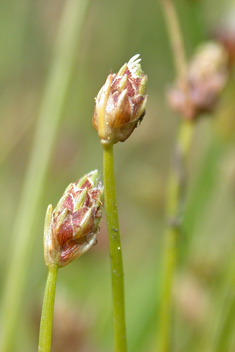
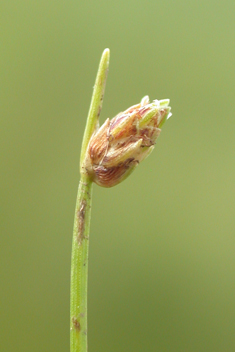
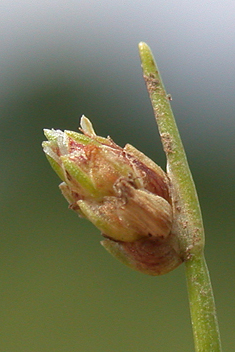
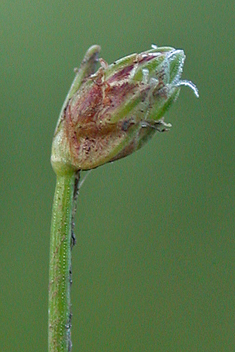
Slender Club-rush Isolepis cernua
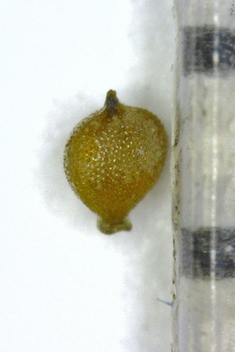
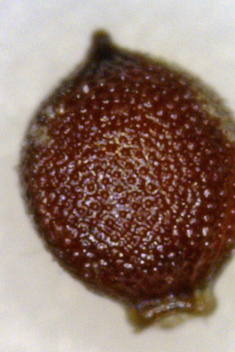
Native. Rare but perhaps overlooked due to its size, in seasonally wet patches. Flowers May to July. Tiny annual plants, germinating in the autumn. Stems 2-15cm in height, forming tight tufts. Leaves hair-like, deeply channelled above. Flowerhead a terminal spike of 1-2 spikelets, the spikelets 2-4mm long and the whole spike accompanied by a spike-like bract that is usually shorter than the flower spike. Nutlets not ridged but very finely covered in small bumps.
 |
 |
 |
 |
| |
|
|
|
 |
 |
 |
 |
| |
|
|
|
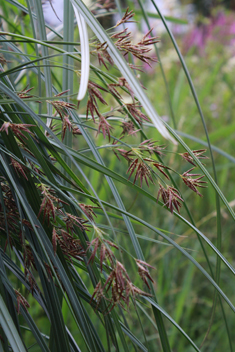
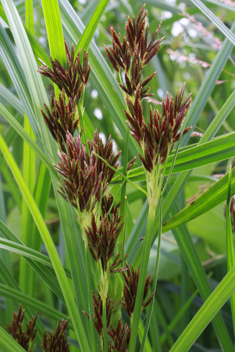
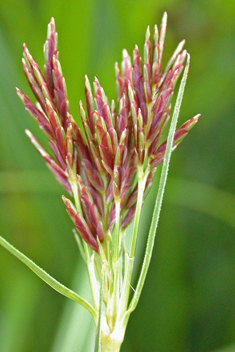
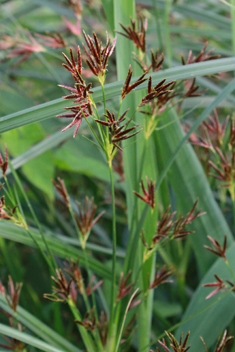
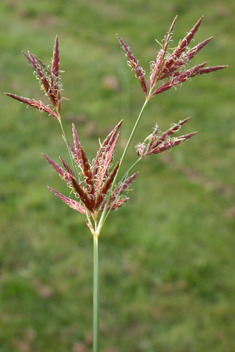
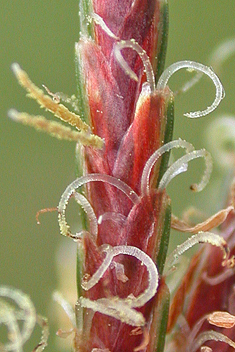
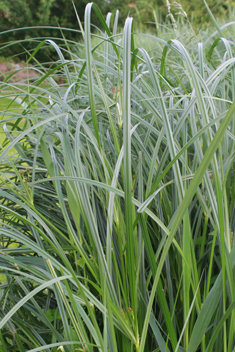
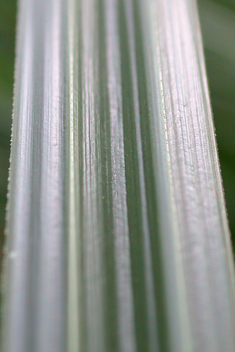
Common Galingale Cyperus longus
Considered to be a rare native in southern and western Britain but only recorded as an introduction on the islands. Flowers July to August. Plants 20-150cm in height with slender stems. Leaves up to 60cm long, flattened, strongly ridged and forming dense stands of arching foliage. Flowers carried in double rows in finger-like spikelets in a branched head.
 |
 |
 |
 |
| |
|
|
|
 |
 |
 |
 |
| |
|
|
|
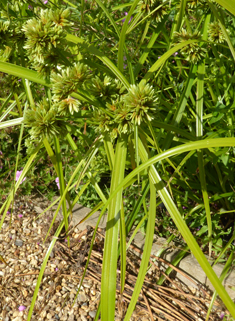
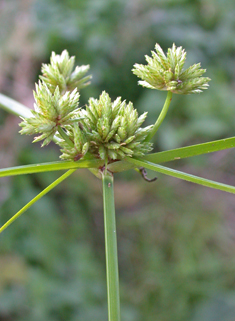
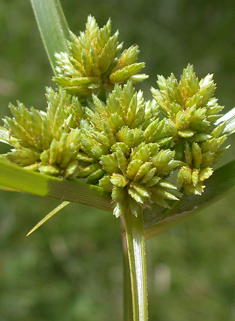
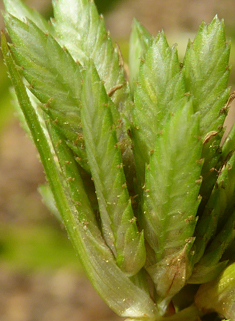
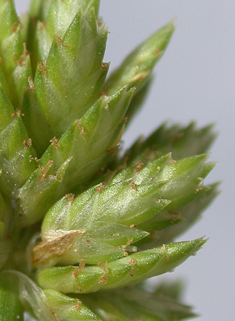
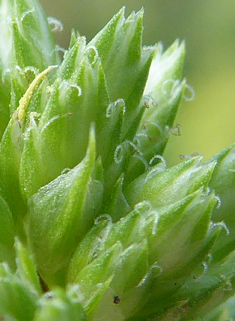
Pale Galingale Cyperus eragrostis
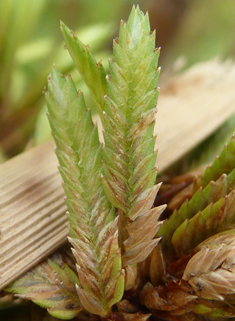
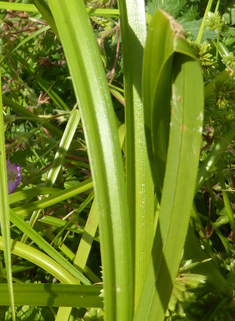
Introduced from the Americas as a garden ornamental and recorded from Tresco and St Mary's. Flowers July to August. Plants 20-150cm in height with slender stems. Leaves up to 60cm long, flattened, strongly ridged and forming dense stands of arching foliage. Flowers carried in double rows in finger-like spikelets in a branched head. The spikelet clusters are typically pale yellowish- or whitish-green and in an umbel of rounded clusters, with 5-11, leaf-like bracts at the base of the head.
 |
 |
 |
 |
| |
|
|
|
 |
 |
 |
 |
| |
|
|
|
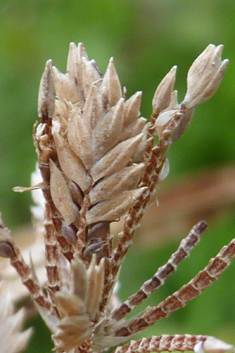
Giant Umbrella-sedge Cyperus ustulatus
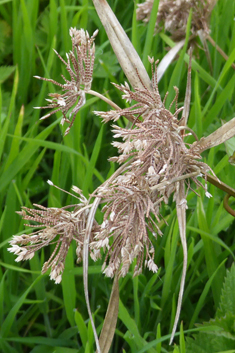
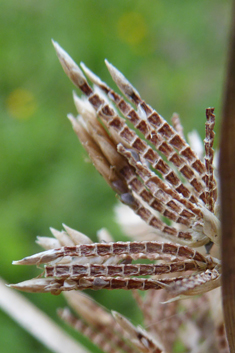
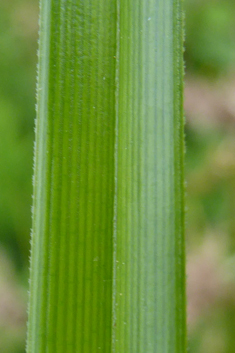
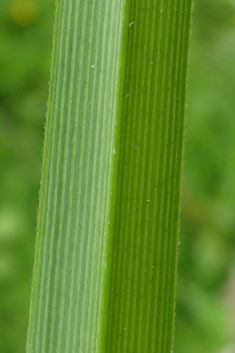
Introduced from New Zealand and first recorded on St Mary's in 2020. Flowers July to August. Plants 60-150cm in height. Leaves channelled, scabrid on the margins. Inflorescence with 6-12 rays of unequal length. Flower spikes of many, densely packed spikelets, around 5cm long.
 |
 |
 |
| |
|
|
 |
 |
|
| |
|