Rushes
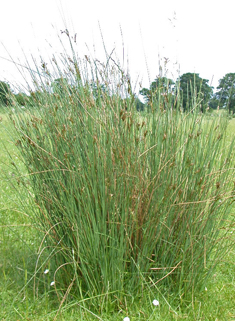
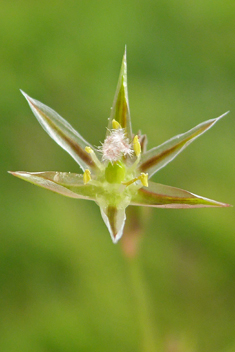
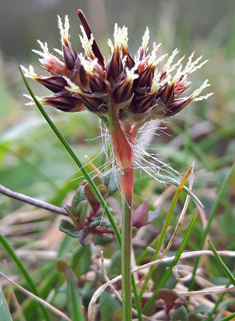
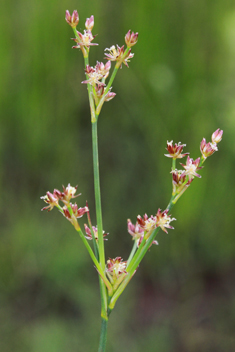
Rush Family - Juncaceae
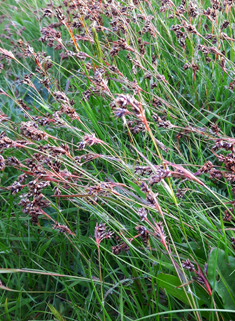
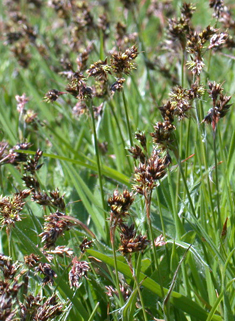
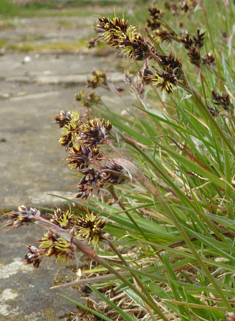
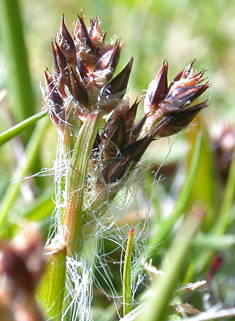
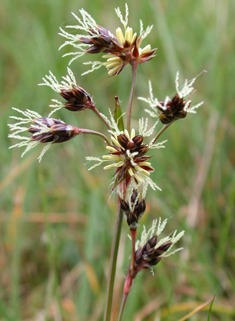
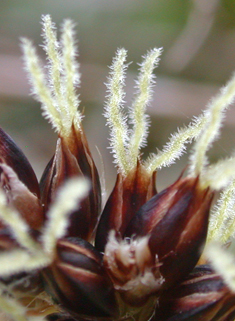
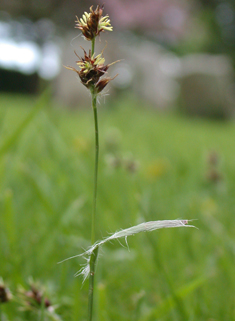
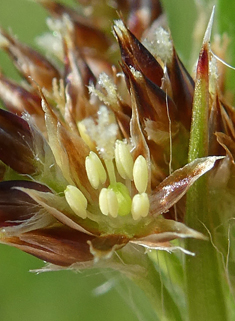
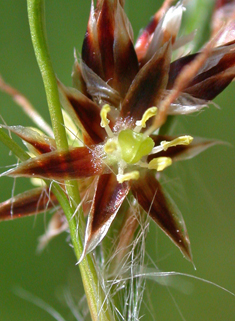
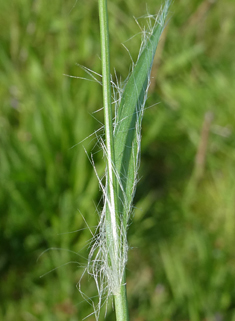
Field Wood-rush Luzula campestrisNative. Common in short turf on the inhabited and larger uninhabited islands. Flowers March to June. Plants 10-30cm in height, loosely tussocky and spreading by short stolons to produce mats of vegetation. Leaves broad and grass-like with the distinctive white hairs of the group. Flowerhead dense at first but later becoming more open and often nodding as the fruits develop. Anthers more than 1.5 times as long as their filaments.
 |
 |
 |
 |
| |
|
|
|
| |
 |
 |
 |
| |
|
|
|
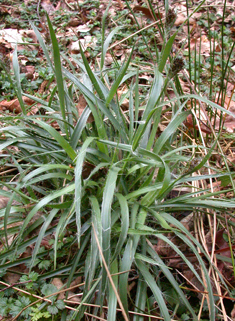
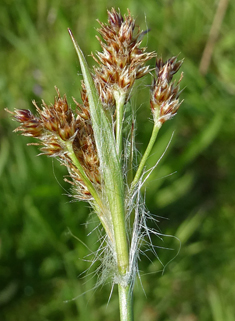
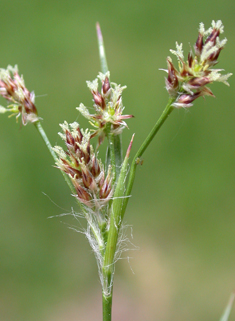
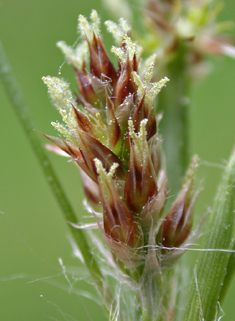
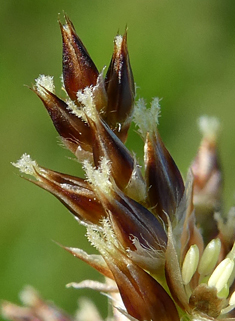
Heath Wood-rush Luzula multiflora
(Luzula multiflora subsp. multiflora) Native. Rare with s single record from St Mary's in the 1990s. Differs from Congested Wood-rush in having a more open flowerhead with longer side branches, the lowest flower bract not longer than the inflorescence and tepals shorter than fruit.
 |
 |
 |
 |
| |
|
|
|
 |
 |
 |
 |
| |
|
|
|
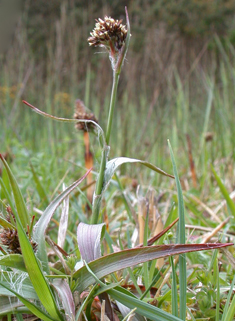
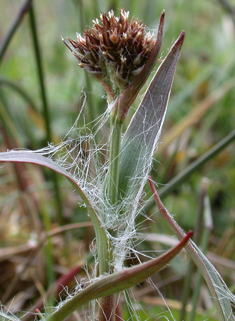
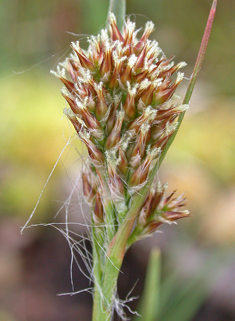
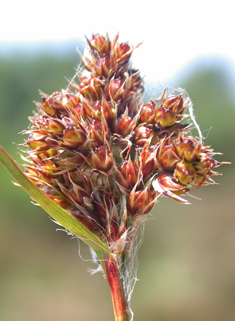
Congested Wood-rush Luzula congesta
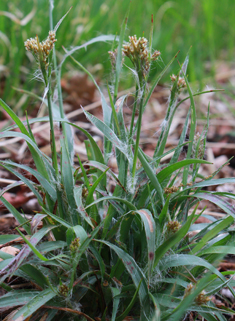
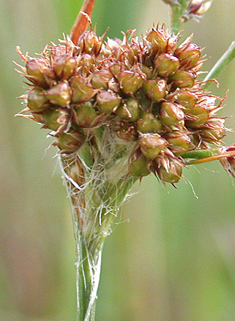
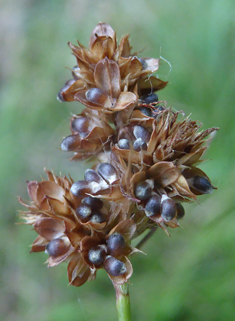
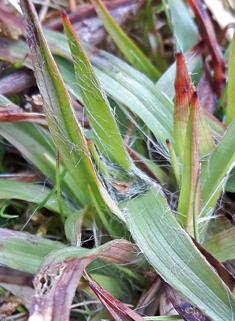
(Luzula multiflora subsp. congesta) Native. Rare with single, old records from St Mary's and Tresco. Flowers April to June. Plants 10-60cm in height, tightly tussocky and without creeping stolons, so not forming spreading mats. Leaves broad and grass-like with the distinctive white hairs of the group. Flowerhead branched, but all branches short, producing a tight, club-shaped head, even in fruit. Anthers less than 1.5 times as long as their filaments. Lowest flower bract usually longer than inflorescence; tepals longer than fruit.
 |
 |
 |
 |
| |
|
|
|
 |
 |
 |
 |
| |
|
|
|
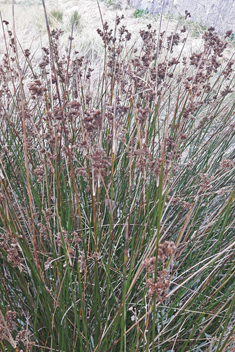
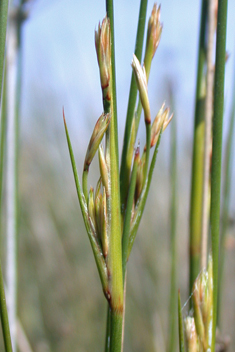
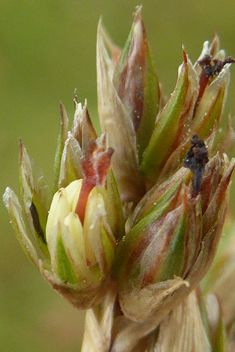
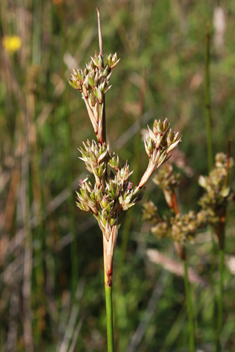
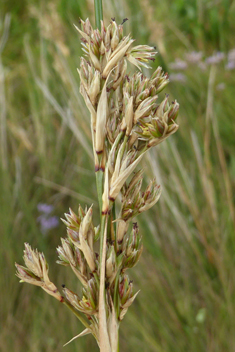
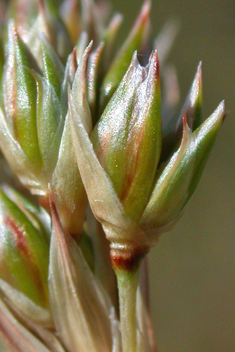
Sea Rush Juncus maritimus
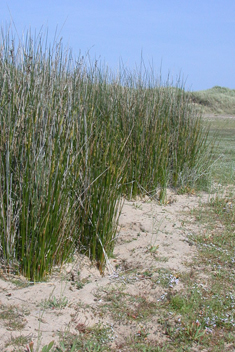
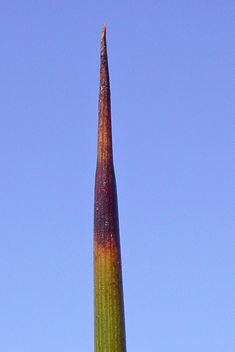
Native. Forms tight colonies in wetlands on St Mary's and Bryher with scattered records from elsewhere. Flowers July to August. Plants 30-120cm in height, densely to losely tussock-forming. Stems leafless, tough and smooth, not ridged. Flower spike at the top of the stem, but topped by a long, stem-like bract with a firm, spiny tip. Flowerhead typically open, but rather stiff and upright.
 |
 |
 |
 |
| |
|
|
|
 |
 |
 |
 |
| |
|
|
|
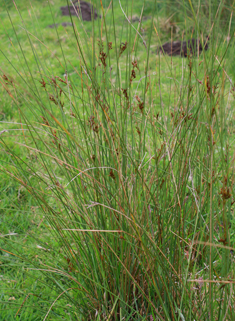
Hard Rush Juncus inflexus
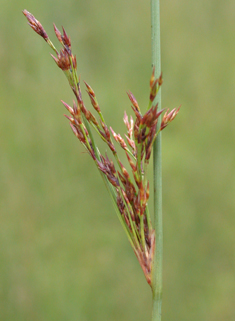
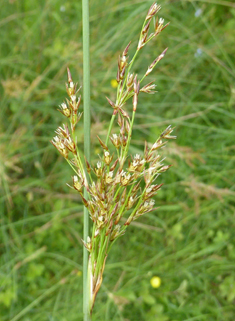
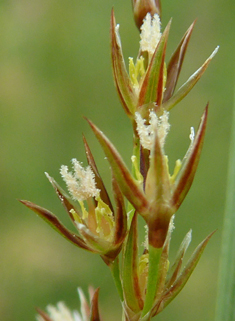
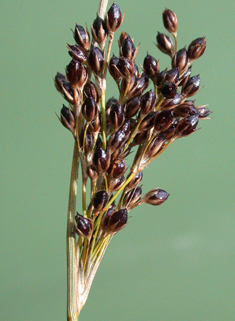
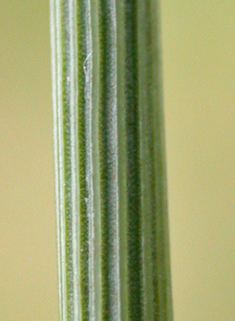
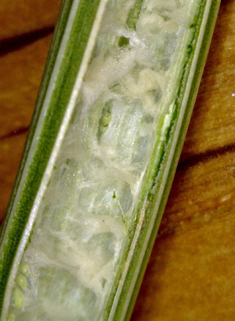
Native. Rare, with isolated records from St Mary's and Tresco. Flowers June to August. Plants 30-120cm in height, densely tussock-forming. Stems leafless, tough, dull bluish-green with clearly ridged surfaces that give the stem a matt look. Inside, the stem has rather course white pith with many gaps, so stem when squeezed feels tough and wiry. Flower spike at the top of the stem, but topped by a long, stem-like bract with a soft tip. Flower spike very open with many, flexuous branches.
| |
 |
 |
 |
| |
|
|
|
 |
 |
 |
 |
| |
|
|
|
Soft Rush Juncus effusus
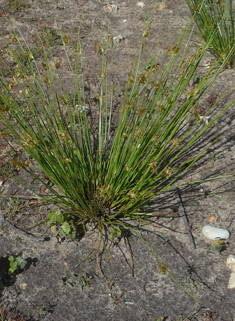
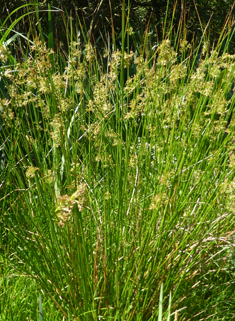
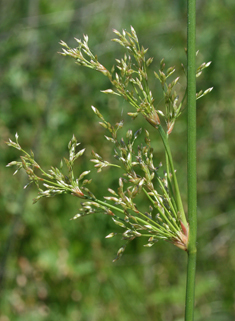
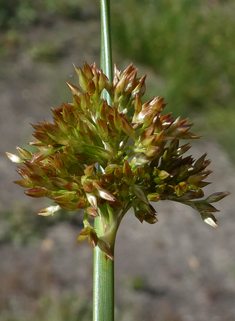
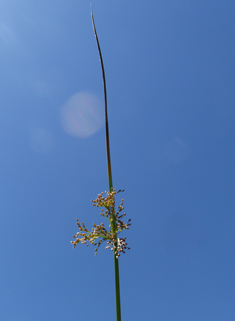
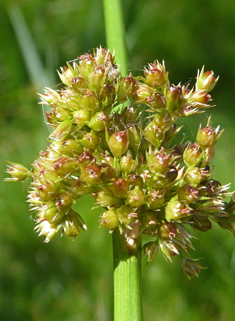
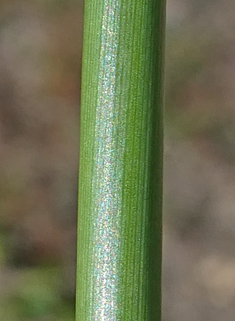
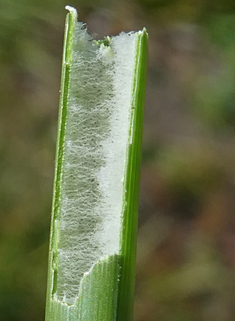
A native perennial, common to plentiful in many kinds of damp, grassy places on St Mary's and Tresco with isolated records from elsewhere. Flowers June to August. Plants 30-180cm in height, densely tussock-forming. Stems leafless, bright green with very smooth, shiny surfaces and the veins not raised into ridges. Inside, the stem has continuous, spongy, white pith and no cross girders, so stem when squeezed feels spongy and without internal ridges. Flower spike at the top of the stem, but topped by a long, stem-like bract with a soft tip. Flowerhead typically open, with broadly radiating branches, but they may also been densely compacted in variety subglomeratus.
 |
 |
 |
 |
| |
|
|
|
 |
 |
 |
 |
| |
|
|
|
Compact Rush Juncus conglomeratus
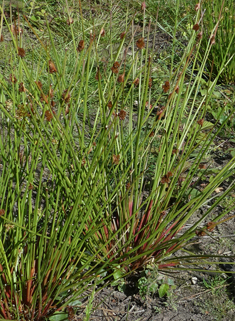
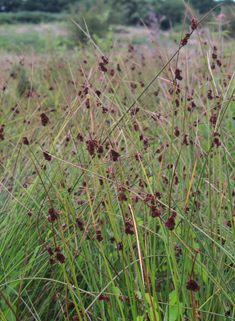
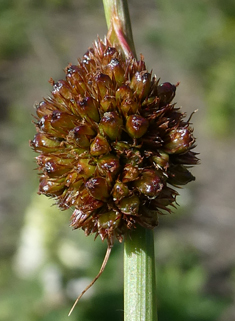
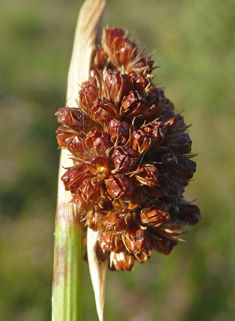
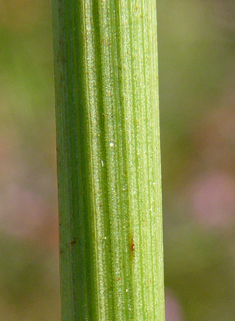
A native perennial. Rare with just single records from St Mary's and Tresco. Flowers May to July. Plants 40-100cm in height, densely tussock-forming. Stems leafless, bright green with clearly ridged surfaces that give the stem a less shiny look. Inside, the stem has continuous, spongy, white pith and no cross girders, so stem when squeezed feels spongy and without internal ridges. Flower spike at the top of the stem, but topped by a long, stem-like bract with a soft tip. Flowerhead densely compacted.
 |
 |
|
| |
|
|
 |
 |
 |
| |
|
|
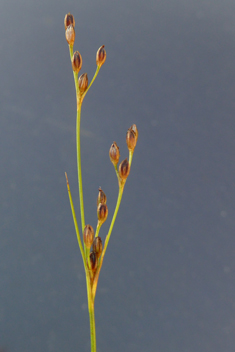
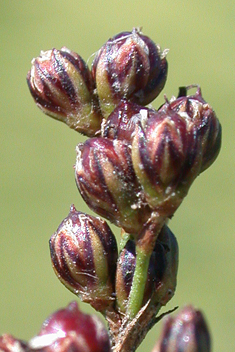
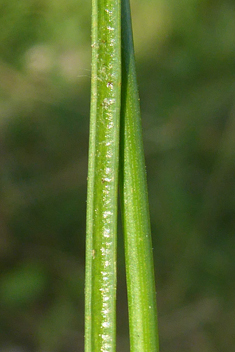
Saltmarsh Rush Juncus gerardi
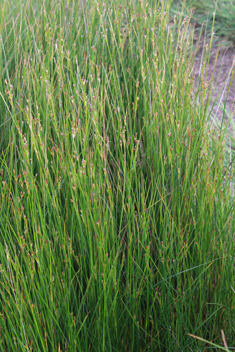
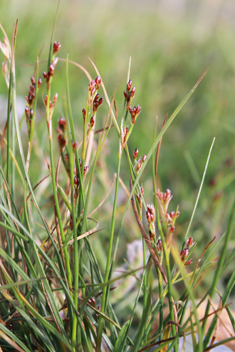
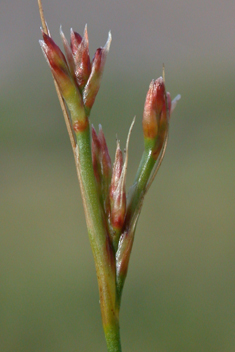
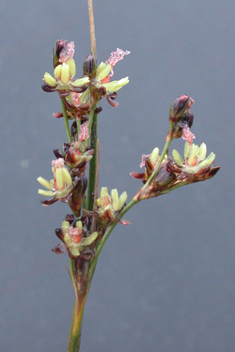
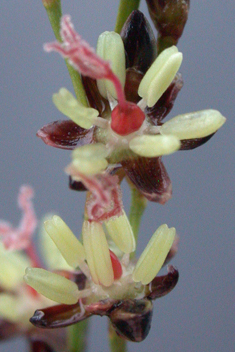
Native. Small colonies exist around permanent pools on St Agnes and Bryher. Flowers June to July. Plants 5-50cm in height, loosely tufted or with a creeping rhizome and forming spreading colonies like a grassy sward. Stems smooth, becoming three-sided towards the top and with 4-7 leaves. Leaves 2-30cm long, flat or slightly rounded. Flower spike at the top of the stem, rather open and stiffly upright with a few branches. Anthers 1.0-2.2mm, 2-3 times as long as their filaments. Seed capsule about as long as the tepals, broadly rounded; seeds 0.5-0.7mm.
 |
 |
 |
 |
| |
|
|
|
 |
 |
 |
 |
| |
|
|
|
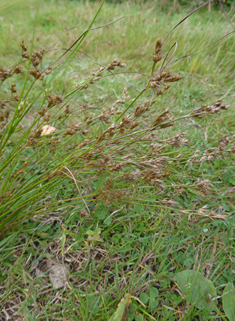
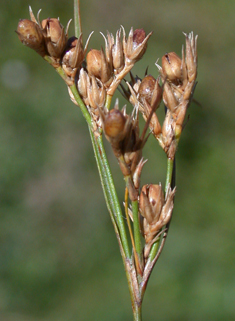
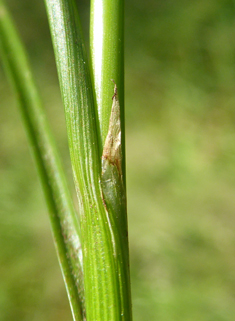
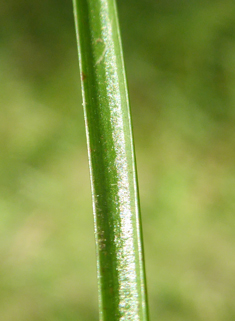
Slender Rush Juncus tenuis
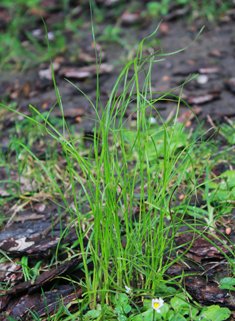
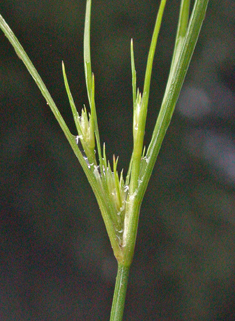
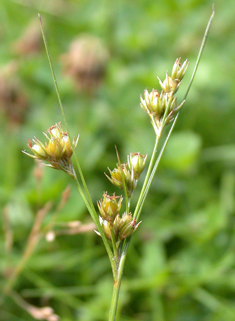
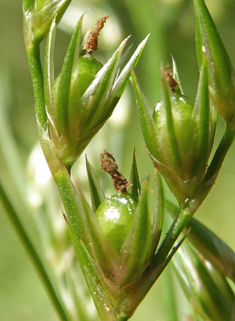
Introduced from North America. Tends to favour damp paths in woodland and in urban areas where occurring elsewhere in the UK but, oddly, Scilly has just a single record from a damp field on Tresco. Flowers June to September. Plants 10-60cm in height, densely tufted and often forming discreet leaf rosettes. Stems smooth with 2-3 leaves. Leaves relatively long, up to the length of the stems, flattened and grass-like, often curved. Flower spike at the top of the stem, rather open with clusters of flowers at the ends of long, radiating stems. Seed capsule much shorter than the tepals, broadly rounded. In North America, this species is known as Path Rush, a very suitable name given its habitat preference and ability to withstand trampling.
 |
 |
 |
 |
| |
|
|
|
 |
 |
 |
 |
| |
|
|
|
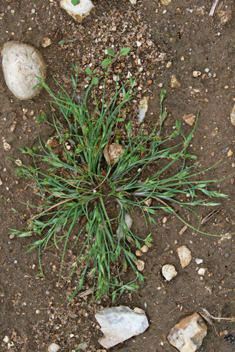
Toad Rush Juncus bufonius
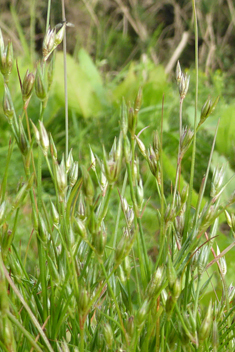
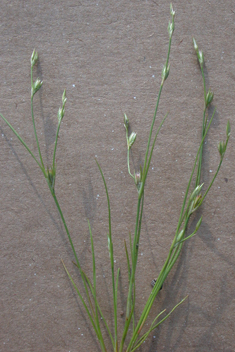
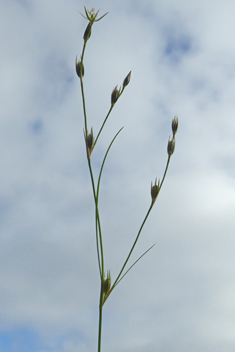
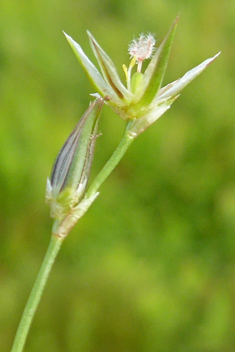
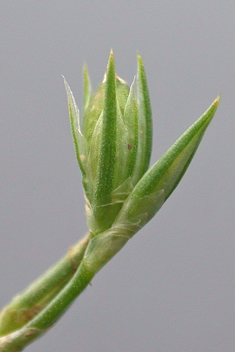
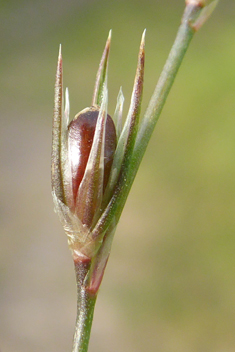
Native. An annual species, widespread in fields and wet places on the inhabited islands and on Samson. Flowers August to September. Plants 5-40cm in height, loosely tufted or sometimes solitary. Stems with 1-5 leaves and leaf-like bracts around the flower spike. Flower spike upright, branched with flowers often solitary along the branches. Anthers 0.3-1.1 x the length of their filaments. Seed capsule much shorter than the tepals, narrowly rounded. The annual nature allows this plant to appear quickly in seasonally wet areas and it can persist for a time on dry ground after puddles and small pools dry up. Rather grass-like in appearance, but easily told from grasses by the lack of stem nodes and the six tepals.
 |
 |
 |
 |
| |
|
|
|
 |
|
 |
 |
| |
|
|
|
Bulbous Rush Juncus bulbosus
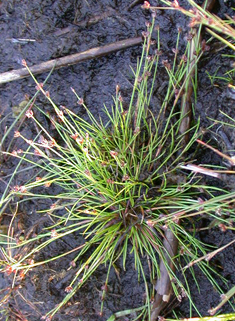
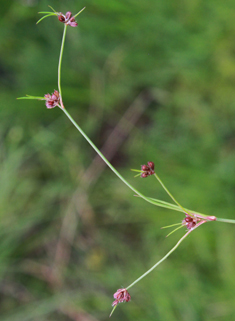
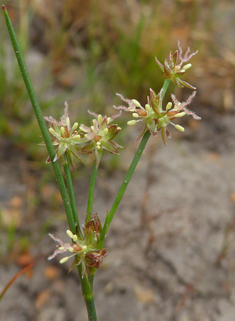
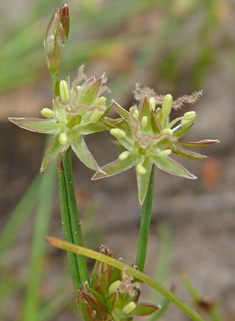
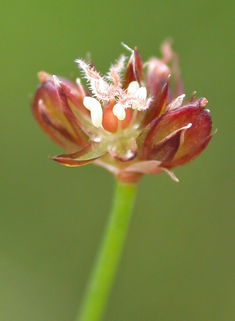
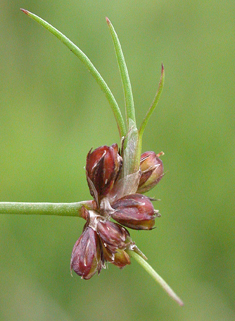
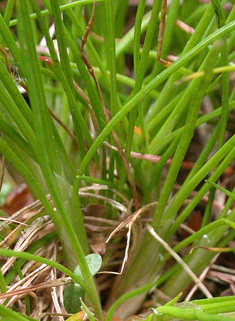
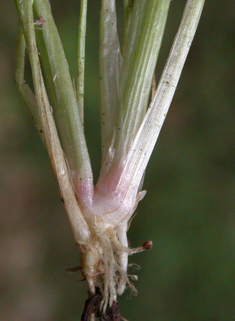
Native. A rare species of damp or seasonally wet hollows in heathy places on St Mary's, St Agnes and St Martin's. Flowers June to September. Plants 1-20cm in height, arising from corm-like bases to the stems rather than from rhizomes. Stems either upright or procumbent, from a tight tussock. Leaves mostly basal and up to 10cm in length. Flowers openly spaced in small clusters along the stems, with some flowers often replaced by adventitious shoots. Seed capsule equal to or slightly longer than the tepals, roundly three-sided.
 |
 |
 |
 |
| |
|
|
|
 |
 |
 |
 |
| |
seed capsules |
|
|
Sharp-flowered Rush Juncus acutiflorus
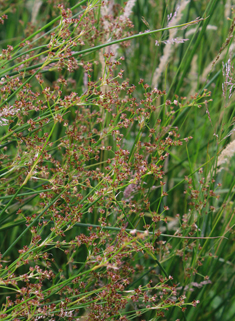
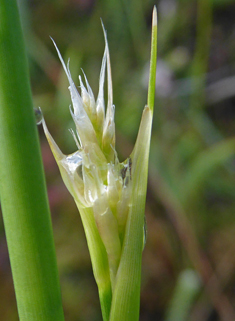
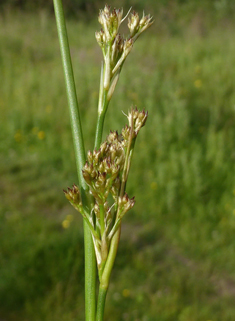
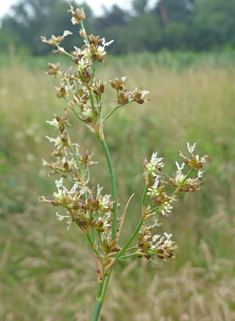
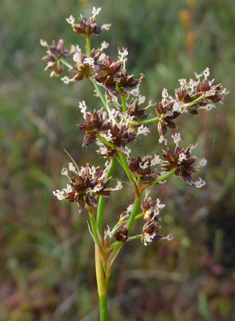
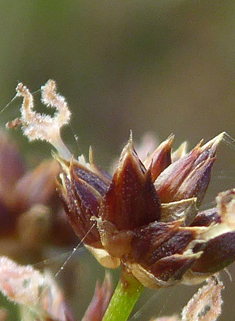
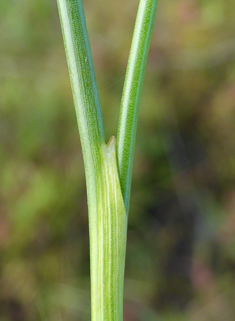
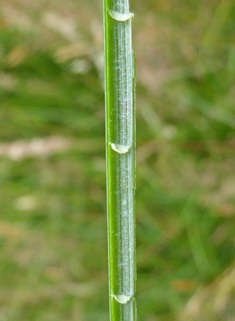
Native. Rare, in wet places on St Mary's. Flowers July to September. Plants 30-160cm in height, spreading loosely from creeping root systems. Stems smooth and shiny with 2-4, tubular, rounded leaves, 5-50cm long. Inside, the leaves are largely hollow and with well-defined cross girders so when squeezed, they feel soft and with regular bumps, like the rungs of a ladder. Flower spike at the top of the stem, starting dense but becoming very open and intricately branched. Seed capsules exceed the length of the tepals and are chestnut-brown, tapered towards a long-pointed tip.
 |
 |
 |
 |
| |
|
|
|
 |
 |
 |
 |
| |
|
|
|
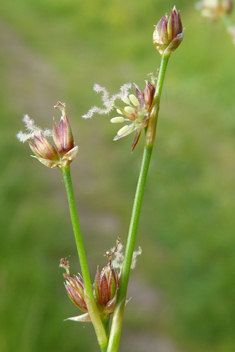
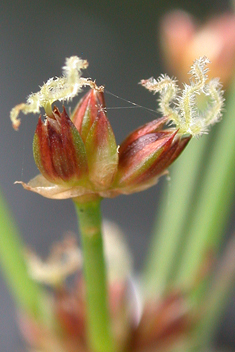
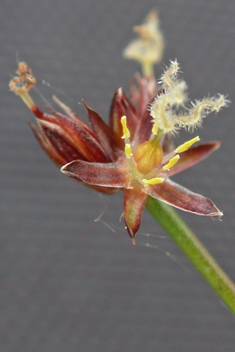
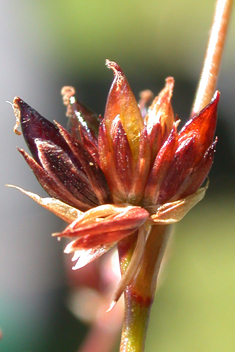
Jointed Rush Juncus articulatus
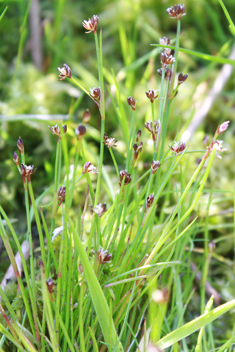
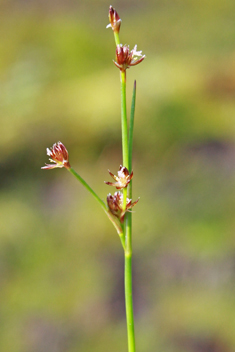
Native. Generally uncommon in wet places, locally frequent on St Mary's but rare elsewhere. Flowers June to September. Plants 5-80cm in height, with stems loosely tufted or spreading from a creeping root system. Stems erect to decumbent, smooth and shiny with 3-6, tubular, rounded or flattened leaves, 3-30cm long. Inside, the leaves are largely hollow and with well-defined cross girders so when squeezed, they feel soft and with regular bumps, like the rungs of a ladder. Flower spike at the top of the stem, few-branched but openly spreading. Fruit exceeds the length of the tepals and is chestnut-brown, rounded towards the top with a short, pointed tip.
Jointed Rush can be difficult to tell from Sharp-flowered Rush (and the two do hybridise!) so some plants may be very difficult to tell apart. Typically, Jointed Rush is shorter, often with prostrate stems. The flower spike is more elongate with fewer branches and the fruits are more bluntly rounded towards the top, with a short point.
 |
|
 |
 |
| |
|
|
|
 |
 |
 |
 |
| |
|
|
|