Buttercup allies
What are they?
Though the species on this page may look highly varied in appearance, they are all members of the buttercup family (Ranunculaceae). This is a highly variable family with the buttercups themselves being rather atypical of the family. Many species in this family have flowers that have no petals but often have the sepals enlarged and coloured and thus filling the role of the petals.
Where are they found?
There is broad range of habitats within which these species are found, though many members of the buttercup family favour chalky soils, so tend to be less common in the more acidic habitats of the Isles of Scilly.
Identification
Identification of these species should be straightforward based on the photos and short descriptions given here.
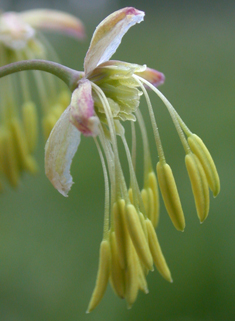
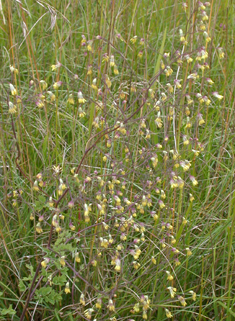
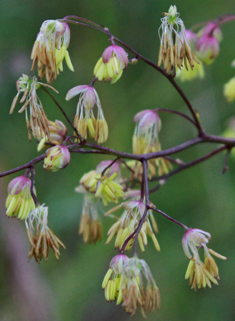
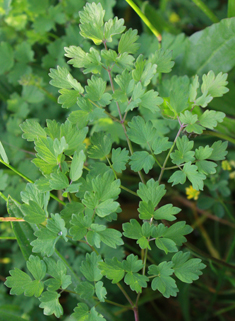
Lesser Meadow-rue Thalictrum minus
Probably formerly native but not recorded since the late 19th Century on St Mary's. Flowers June to August. Plants generally much smaller than Common Meadow-rue, the 2- to 3-pinnate leaves having more broadly wedge-shaped leaflets. Individual flowers have four tepals, usually tinged purplish and with the long stamens drooping. The spreading flower heads are made up of many small flowers and they can be hard to spot from a distance among dense grasses.
 |
 |
|
 |
| |
|
|
|
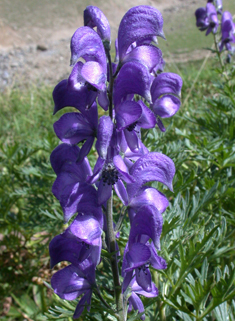
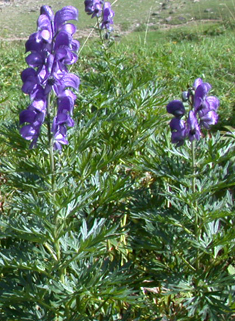
Common Monk's-hood Aconitum napellus
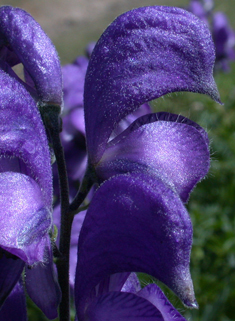
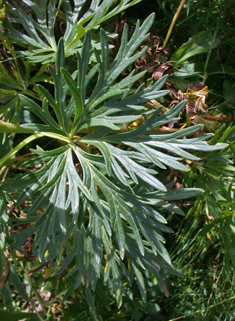
Once recorded as an escape from cultivation on St Mary's. Flowers May to June. May grow to one metre in height. Flowers deep bluish-mauve. Although plants in cultivation are often sold as this species, they are often of hybrid origin, so any plants found should always have the shape of the flower checked to be certain of identification. Best told from Hybrid Monk's-hood Aconitum x stoerkianum by the shape of the helmeted upper part of the flower. In Common Monk's-hood this is typically about as high as it is wide when viewed from the side and draws out more gradually into its pointed tip. In Hybrid Monk's-hood this is typically clearly higher than wide when viewed from the side and contracts abruptly into a short, pointed tip.
 |
|
 |
 |
| |
|
|
|
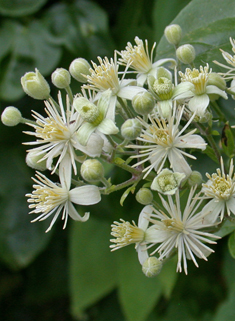
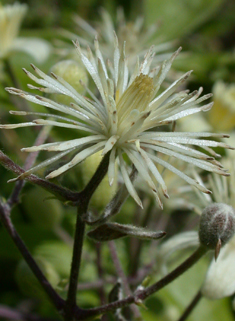
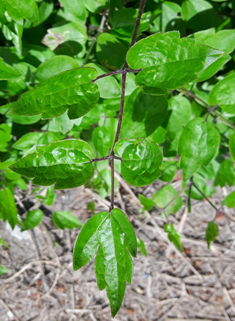
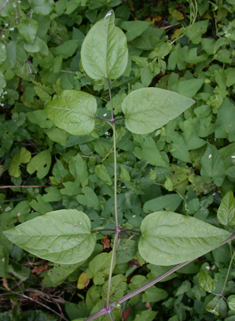
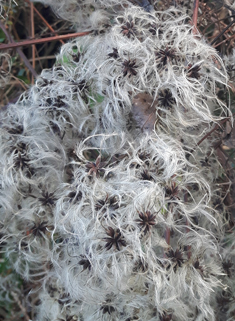
Traveller's-joy Clematis vitalba
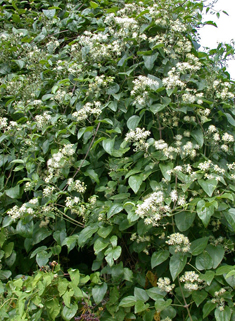
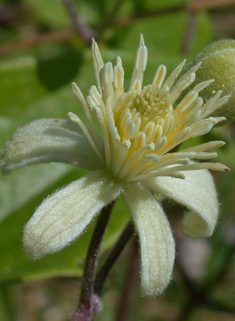
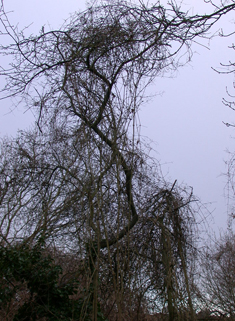
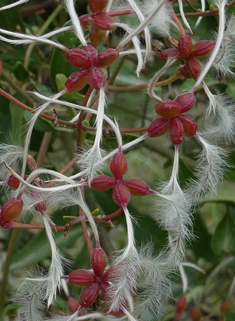
(Wild Clematis, Old Man's Beard) Introduced on the Isles of Scilly and naturally a plant of chalky soils. Established at single sites on St Mary's and Bryher. Flowers July to August. A very vigorous and persistent climber which may grow to 6m or more in height and trail through surrounding vegetation. Flowers have small, greenish-white tepals which soon drop after pollination, leaving a fuzzy cluster of stamens. Leaves once-pinnate with three or five leaflets.
 |
|
 |
 |
| |
|
|
|
 |
 |
 |
 |
| |
|
|
|
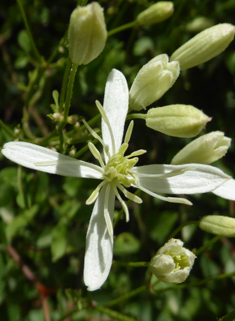
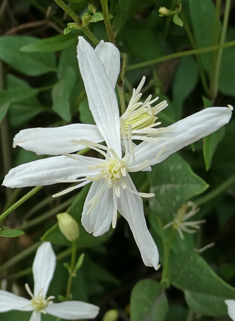
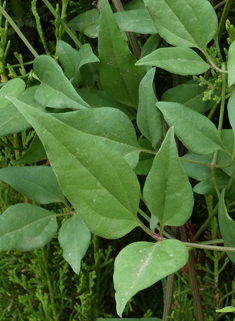
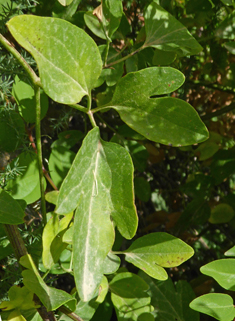
Common Virgin's-bower Clematis flammula
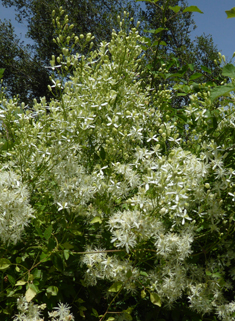
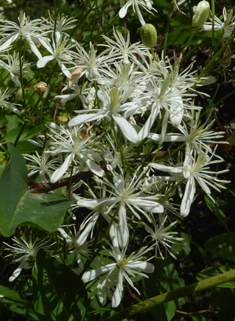
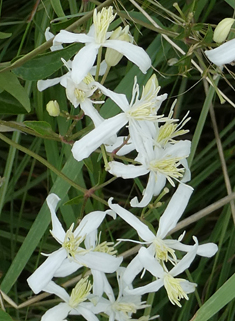
Introduced from southern Europe as a garden ornamental. Recorded as a garden escape on Tresco. Flowers June to July. A vigorous and bushy climber. Flowers have tepals that are longer, whiter and more prominent than those of our native species and the flowers are very fragrant. Leaves twice-pinnate with the leaflets variously rounded and lobed.
 |
 |
 |
 |
| |
|
|
|
 |
 |
 |
 |
| |
|
|
|
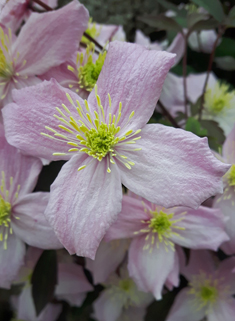
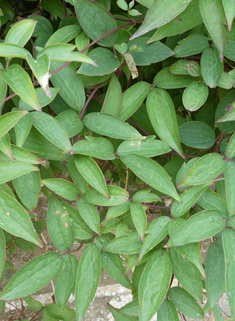
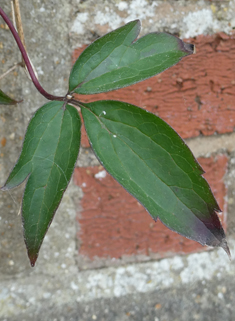
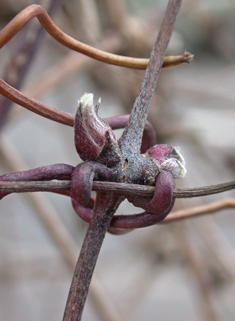
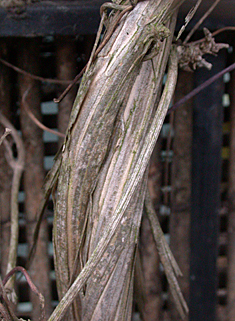
Himalayan Clematis Clematis montana
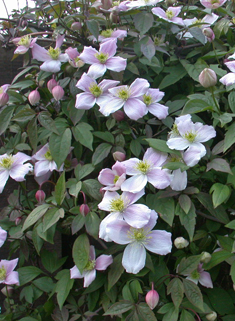
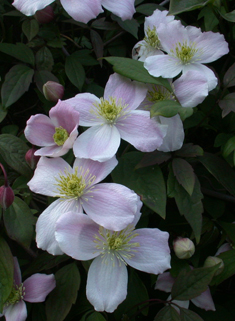
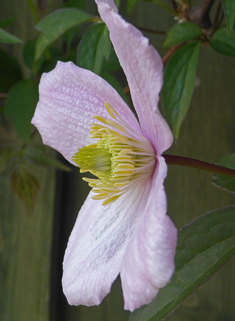
Introduced from eastern Asia as a garden ornamental. Recorded once on Tresco as a garden escape. Flowers April to May. Flowers have relatively large, broad tepals that may be pink or white. Leaves twice-pinnate with the leaflets variously rounded and lobed.
 |
 |
|
 |
| |
|
|
|
 |
 |
 |
 |
| |
|
|
|