Poppies
What are they?
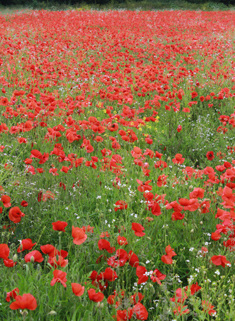
The common poppy is so iconic and so well-known that it needs little or no introduction. But those cheerful red flowers of disturbed ground consist of more than one species, whole there are many other species in a riot of different colours. Our native poppies are mostly fast-growing annuals that produce copious amounts of seed from their 'pepperpot' seed capsules, but there are perennial species too, especially among those that are popular in gardens.
Where are they found?
Native species are mostly found as weeds of disturbed ground, especially on lighter, sandy or chalky soils. However, one species is a coastal beach specialist while others occur as garden escapes on waste ground, roadsides and similar places.
Identification
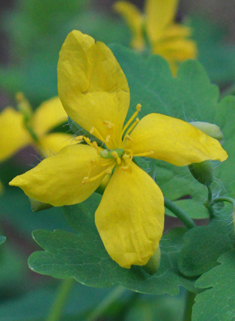
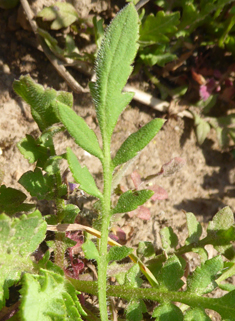
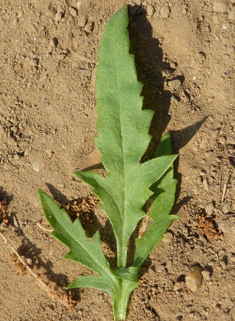
As a group, poppies can be distinguished by their flowers, which generally have four, rather large, thin and floppy petals, combined with the presence of milky white or yellowish sap. Distinguishing the species requires attention to leaf shape (though for red species of arable ground these are very variable and not so useful), flower colour and a close look at the seed capsule in the centre of the flower (which persists after the petals have dropped).
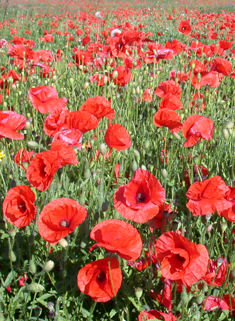
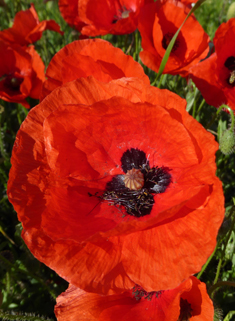
Common Poppy Papaver rhoeas
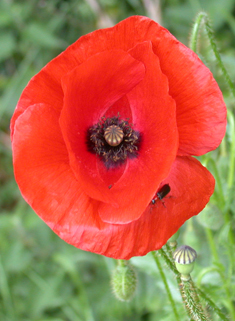
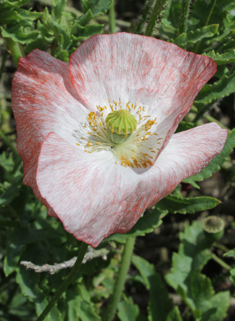
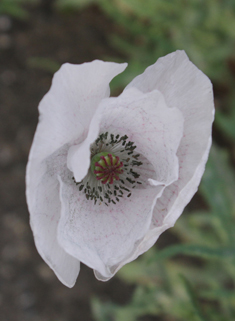
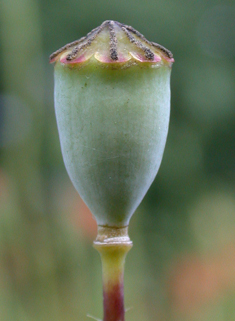
Archaeophyte. Locally frequent on disturbed ground on the inhabited islands. Flowers late May to August. Petals broadly overlapping, red, or red with a blackish basal blotch. Seed capsule only a little longer than wide.'Shirley Poppies' are cultivated forms of this species and may have more than four petals and come in a range of pink shades; flowers may also be white.
 |
|
 |
 |
| |
|
|
|
 |
 |
 |
 |
| |
|
|
|
Long-headed Poppy Papaver dubium
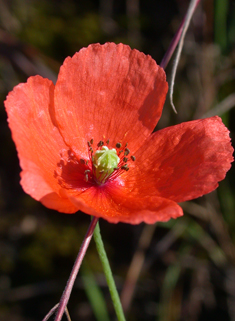
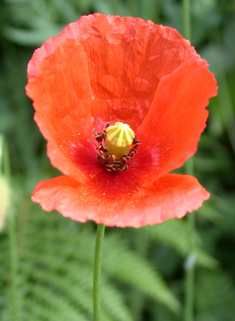
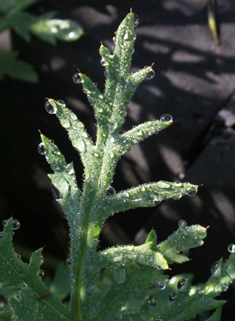
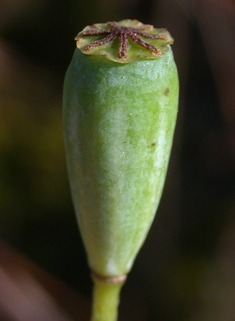
Archaeophyte. Widespread on the inhabited islands on disturbed ground - the commonest poppy on the Isles of Scilly. Flowers June to August. Petals overlapping, though often less so than in Common Poppy; red, often a shade lighter than Common Poppy and only occasionally with a blackish basal blotch. Seed capsule much longer than wide. Sap milky white, like most poppies.
 |
 |
 |
 |
| |
|
|
|
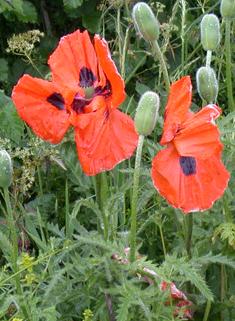
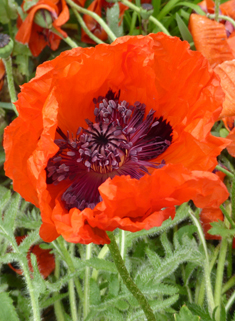
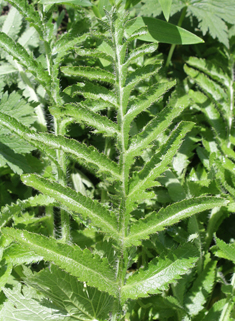
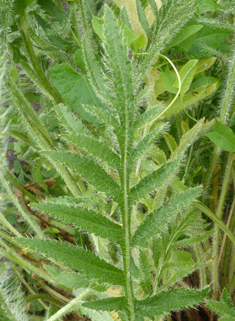
Oriental Poppy Papaver setiferum
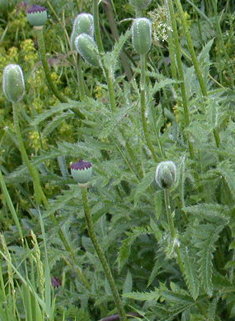
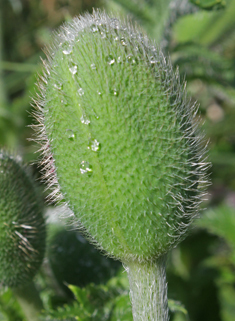
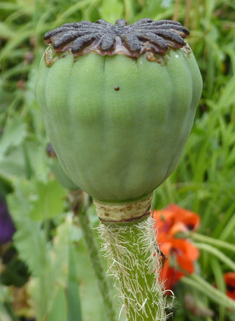
Introduced. Recorded as a garden escape on St Mary's and Tresco. Flowers May to July. A large and imposing, perennial species with impressive flowers that are easily damaged by rain or wind due to the thin and floppy petals. Flowers usually orange-red with a dark basal blotch but may also be pink, white or double-flowered. Leaves, stems and flower buds all covered in bristly hairs.
 |
 |
 |
 |
| |
|
|
|
 |
 |
 |
|
| |
|
|
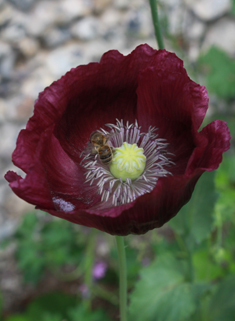
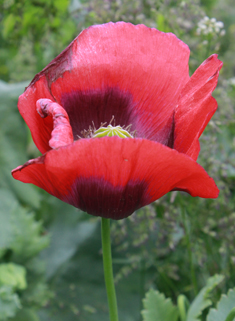
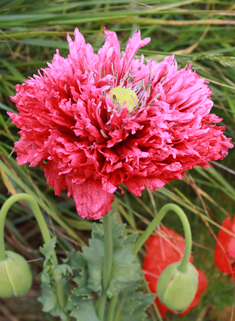
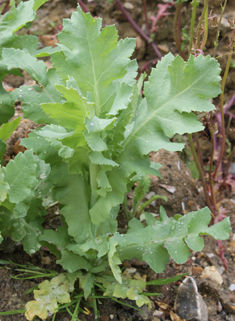
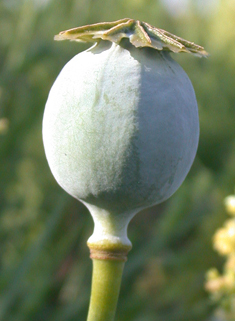
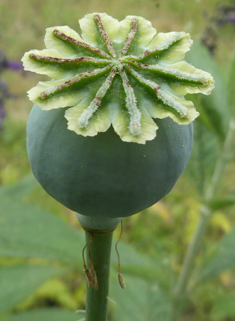
Opium Poppy Papaver somniferum
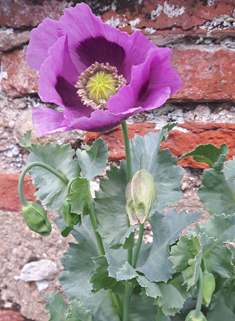
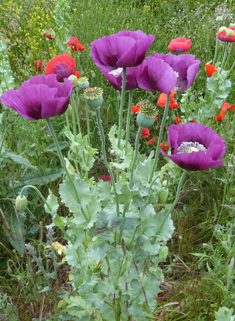
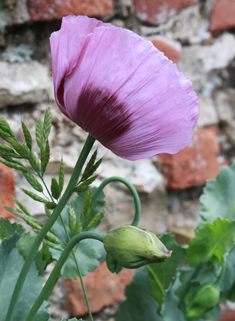
Introduced. Occurs irregularly as an escape from cultivation from time to time. Flowers May to August. A tall and stately species, easily told from other poppies by the waxy grey, wavy-edged leaves and stems. Grown in a wide range of colours from white, through lilac and pink to red and dark maroon and in both single and double forms. When left to self-seed, populations usually seem to revert to the natural pale lilac with purple basal blotch. Seed capsules waxy grey and chunky.
 |
 |
 |
 |
| |
|
|
|
 |
 |
 |
 |
| |
|
|
|
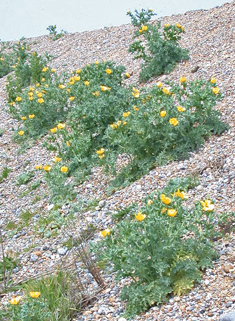
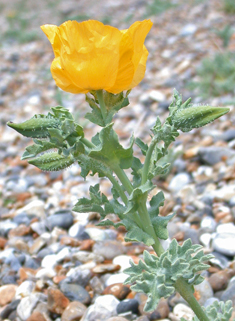
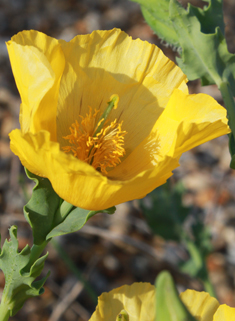
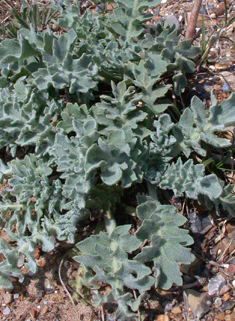
Yellow Horned Poppy Glaucium flavum
Native. A plant of strandlines and the upper parts of sandy and shingle beaches. Flowers June to September. Leaves deeply divided and glaucous-grey in colour. Yellow flowers are followed by curving seedpods that can be up to 30cm in length and give the plant its common name.
 |
 |
 |
 |
| |
|
|
|
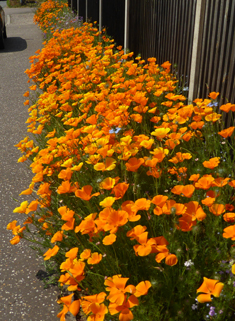
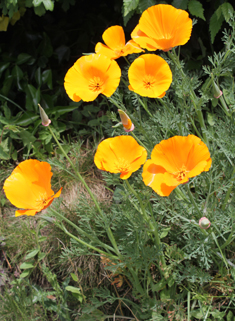
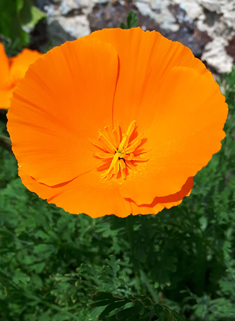
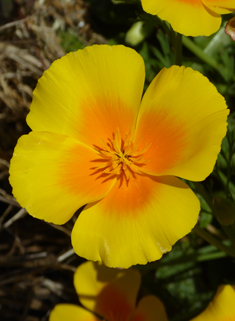
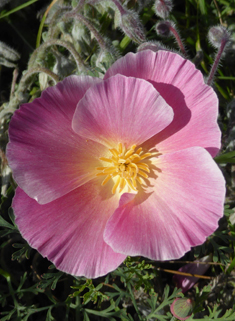
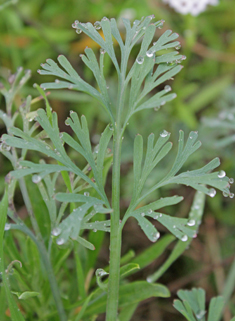
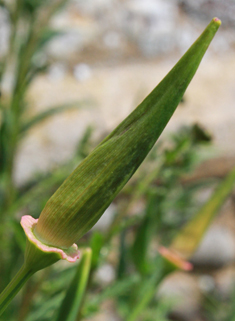
Californian Poppy Eschscholzia californica
Introduced as a garden plant and occasionally seeding naturally into nearby open ground, but not persisting. Flowers May to August. The brilliant orange or deep yellow flowers with finely cut, glaucous foliage are hard to mistake for anything else, though there are also cultivated varieties with pink or white flowers.
 |
 |
 |
 |
| |
|
|
|
 |
 |
 |
| |
|
|