Marginal Aquatics
What are they?
This page covers a loose group of often unrelated plants but which all tend to grow along the margins of permanent bodies of water or in waterlogged ground.
Water-plantains - Alismataceae
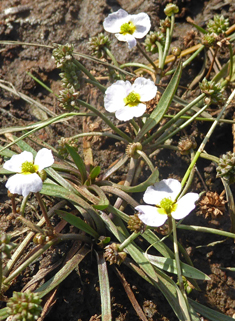
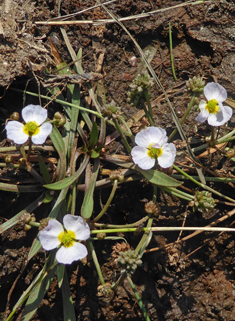
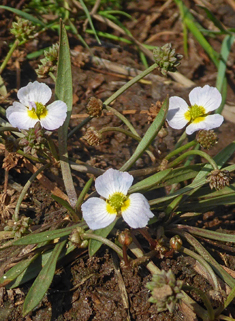
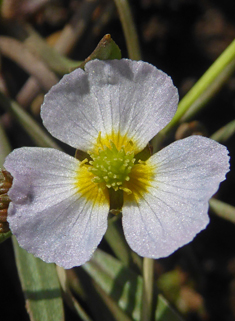
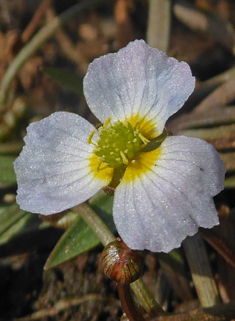
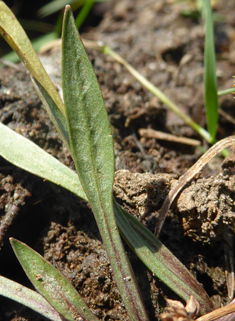
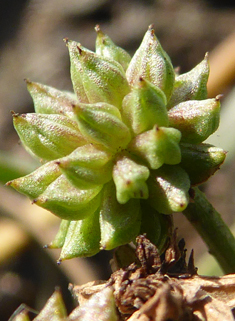
Lesser Water-plantain Baldellia ranunculoidesNative. Rare in wet ground on St Mary's but not recorded since 2000. Flowers July to September. A low, creeping plant with narrow leaves and relatively large flowers. Flowers may appear white from a distance but are pale pink when seen close up.
 |
|
 |
 |
| |
|
|
|
 |
 |
 |
|
| |
|
|
Pickerelweed Family - Pontederiaceae
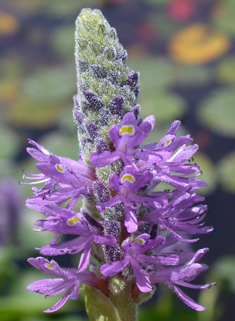
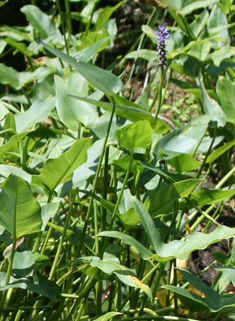
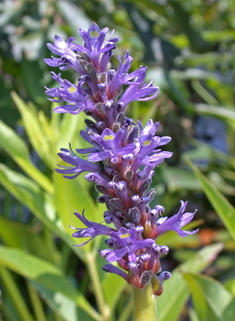
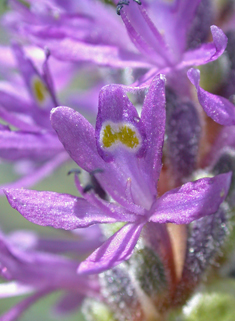
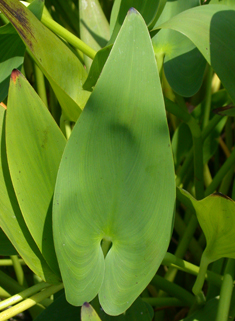
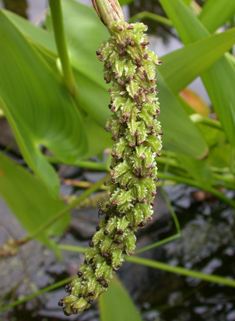
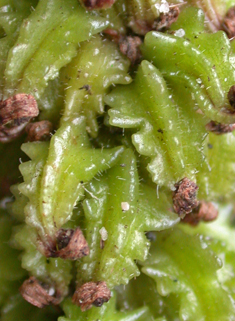
Pickerelweed Pontederia cordataIntroduced as a garden plant from North America and established in Abbey Pool, Tresco. Flowers June to September. Forms stands of leaves to a metre tall in the margins of ponds and other still or slow-moving waterways.
 |
 |
|
 |
| |
|
|
|
 |
 |
 |
|
| |
|
|
Bur-reeds & Bulrushes - Typhaceae
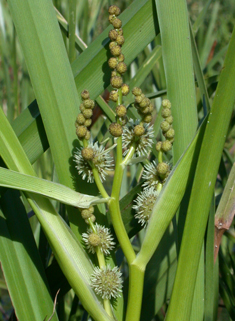
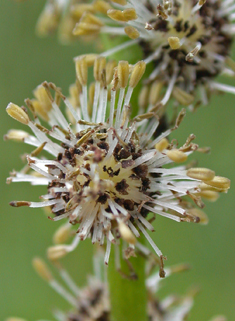
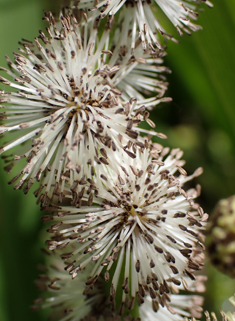
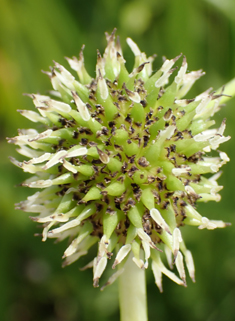
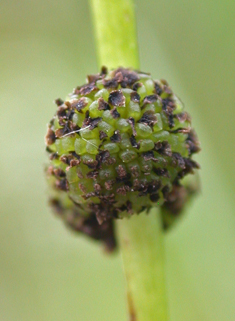
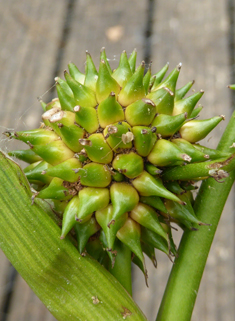
Branched Bur-reed Sparganium erectumNative. Recorded from wetlands on St Mary's but last seen in the 1980s. Flowers June to August. Flowers carried in rounded balls on branched spikes, the male flowers in clusters above the females. Female flowers produce spike-like fruiting bodies.
| |
 |
 |
 |
| |
|
|
|
 |
 |
||
| |
|
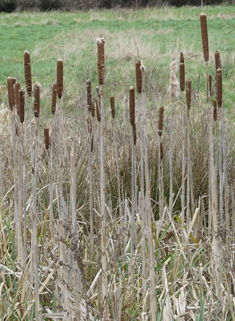
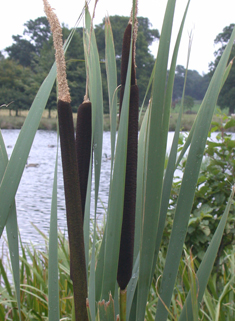
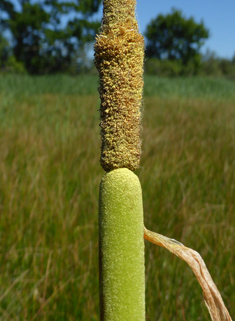
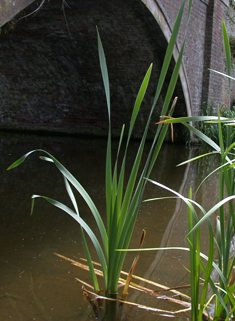
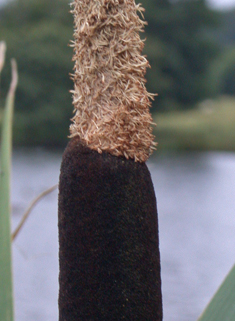
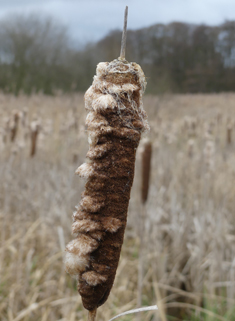
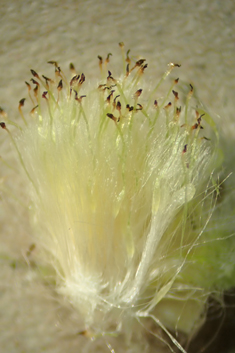
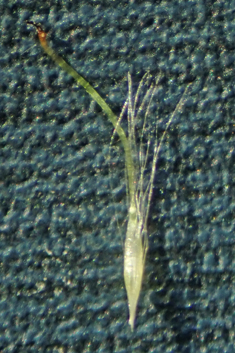
Common Bulrush Typha latifolia
(Reed-mace) Native. In wetlands on St Mary's, Bryher and Tresco and seems to be increasing in recent years. Flowers June to July. The leaves are slightly glaucous in colour and are typically 8-25mm wide. Male and female parts of the flower spike show no gap between them, or at the very most a gap of no more than 2cm. The developing seedheads become dark, chocolate brown and are 18-30mm wide.
 |
 |
 |
 |
| |
|
|
|
| |
 |
 |
 |
| |
|
|
|