Irises
Iris Family - Iridaceae
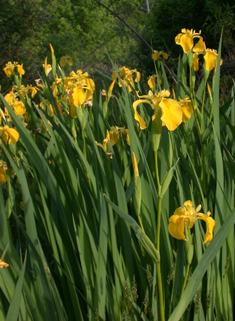
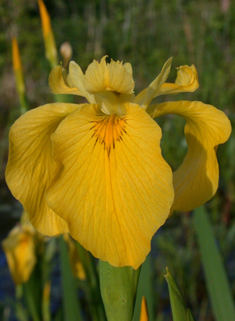
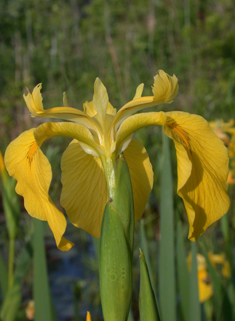
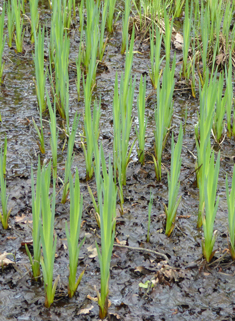
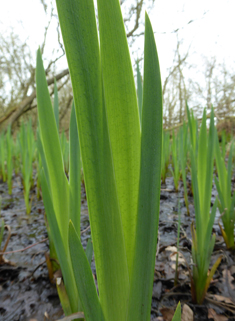
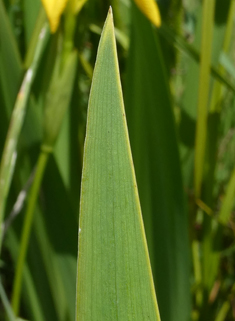
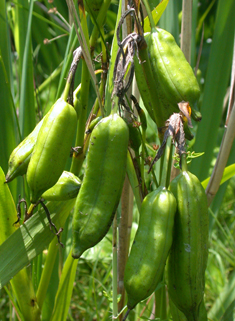
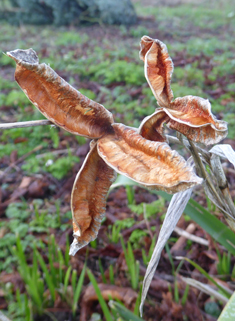
Yellow Iris Iris pseudacorusNative. Can form quite large stands in wet hollows, marshy places and around the margins of more or less permanent ponds. Flowers late May to July.
 |
 |
 |
 |
| |
|
|
|
 |
 |
 |
 |
| |
|
|
|
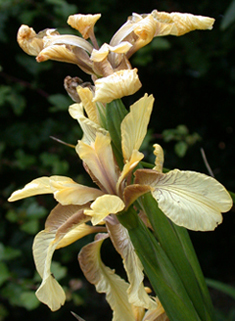
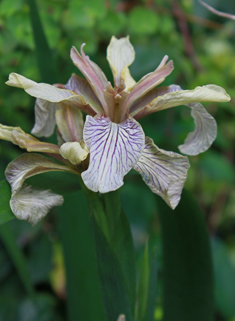
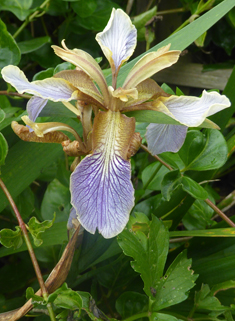
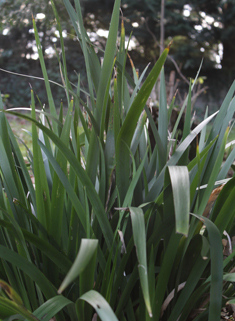
Stinking Iris Iris foetidissima
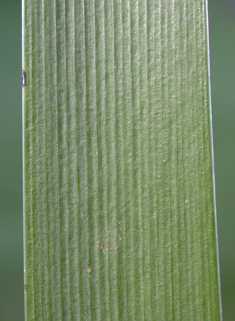
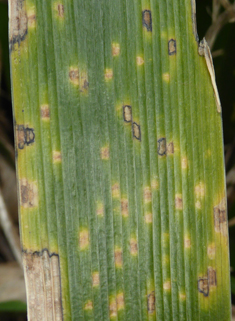
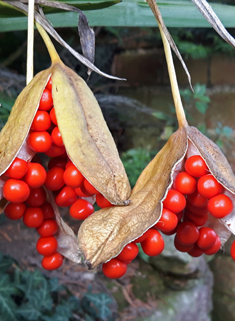
Native in shady places, but perhaps also a garden escape. On all inhabited islands, Samson and Tean. Flowers May to June. Flowers an unusual colour and difficult to describe, being pale creamy-yellow to brownish-yellow with veins coloured in varying intensities of purple; the overall effect is a rather 'muddy' flower from a distance.
| |
 |
 |
 |
| |
|
|
|
 |
 |
 |
 |
| |
|
|
|
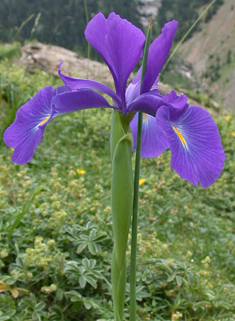
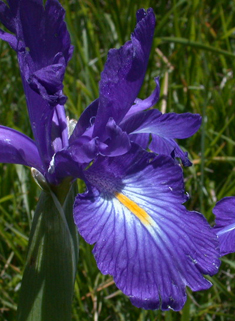
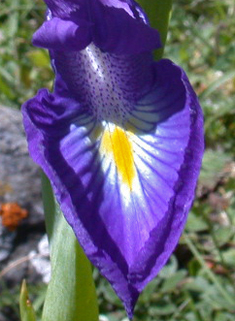
Pyrenean Iris Iris xiphioides
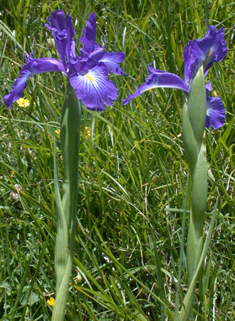
(English Iris; Iris latifolia, Iris jacquinii) Native to the Pyrenees. Recorded as a garden escape on St Mary's in 1996. Flowers May to June. Flowers a rich, clear blue. Leaves narrowly linear, channelled and dying down in winter. Flower tube less than 10mm long. Haft of outer petals more than 20mm wide, no longer than blade.
 |
|
 |
 |
| |
|
|
|
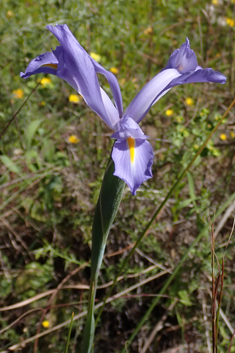
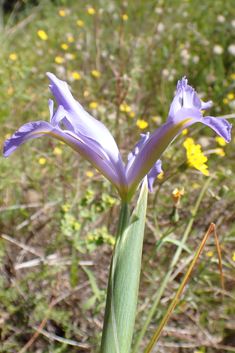
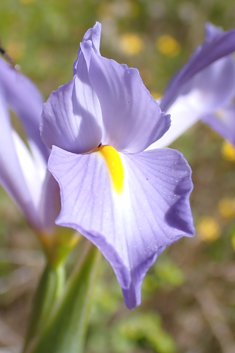
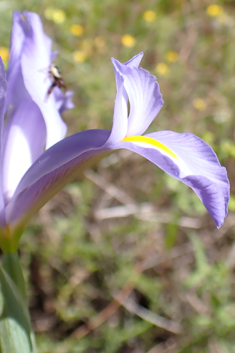
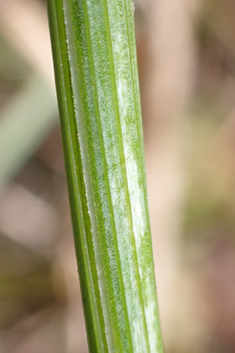
Spanish Iris Iris xiphium
Introduced from southwest Europe. Leaves narrowly linear, channelled, evergreen, not dying down in winter. Flower tube less than 10mm long. Haft of outer petals less than 20mm wide, 1.5-2 times as long as blade.
 |
 |
 |
 |
| |
|
|
|
 |
|||
| |
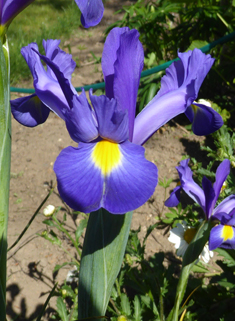
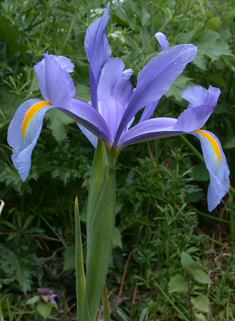
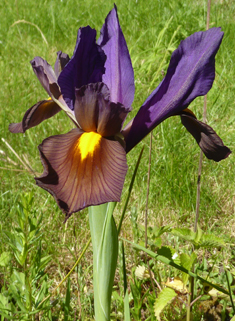
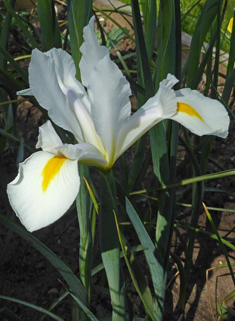
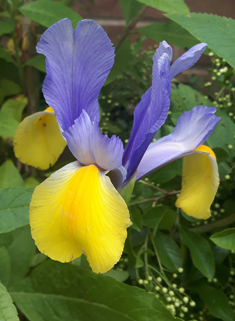
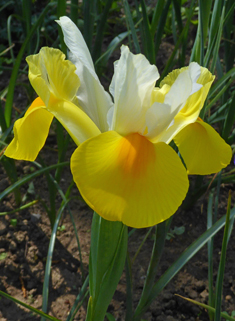
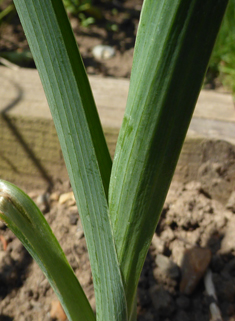
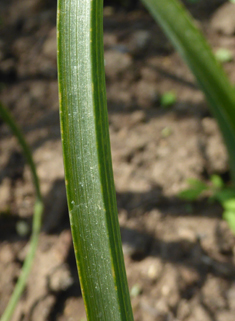
Dutch Iris Iris x hollandica
Formerly grown for the cut-flower market and sometimes found where persisting on uncultivated ground. Flowers May to June. Large, showy flowers that can be white, yellow or any shade of blue or purple - or mixes of those colours. More often grown commercially for cut flowers than as a garden plant and doesn't seem to persist long in the wild. Leaves, narrow, arching, folded along their length to give a u-shaped cross-section. Flower tube more than 10mm long.
 |
 |
 |
 |
| |
|
|
|
 |
 |
 |
 |
| |
|
|
|
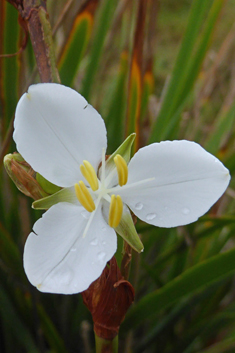
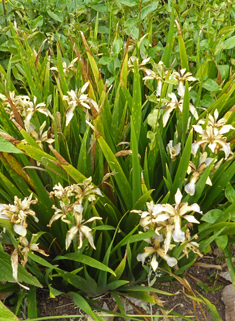
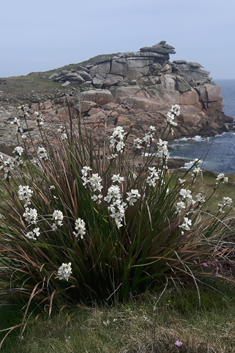
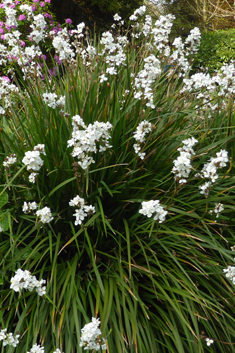
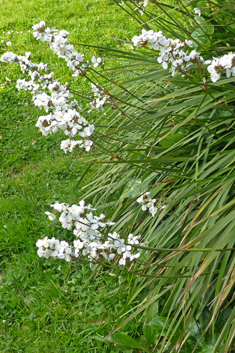
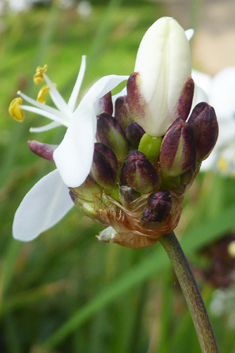
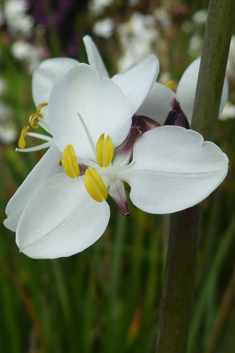
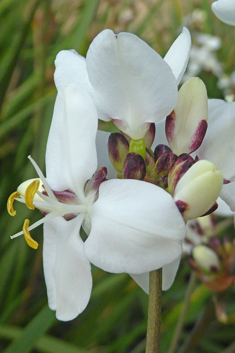
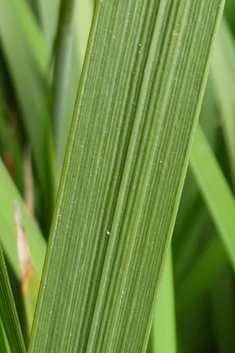
Greater Chilean-iris Libertia chilensis
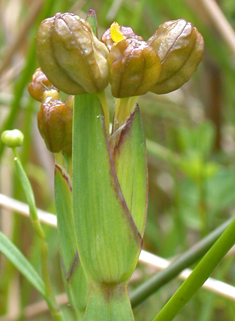
(Libertia formosa) Introduced from southern South America. Apart from an old record from Tresco, this species appears to be confined to St Mary's where it is quite widespread as a garden escape in the southern half of the island.
 |
 |
 |
 |
| |
|
|
|
 |
|
 |
 |
| |
|
|
|
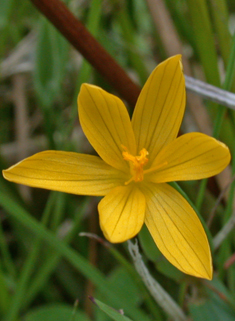
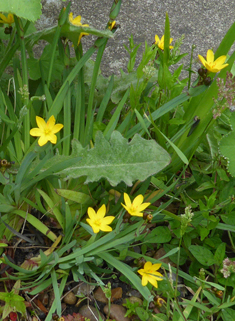
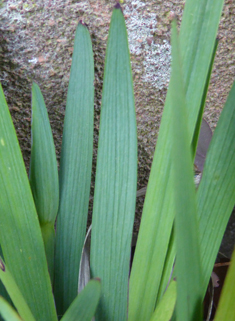
Californian Yellow-eyed-grass Sisyrinchium californicum
Introduced from western North America. Previously recorded from Tresco in the 1990s, but thought likely to have been lost due to development of the site. Flowers June to July. A small plant, typically to 20cm in height (but may be taller when growing amongst rank vegetation).
 |
|
 |
 |
| |
|
|
|