Crane's-bills and Stork's-bills
What are they?
The crane's-bill family has readily recognisable family traits and generally they can be recognised by their palmately-lobed or pinnate leaves and their elongated fruiting capsules that resemble a long bird's bill.
Where are they found?
These are plants of either disturbed ground in gardens or farmland, or of grassy places. Some are typical of species-rich, short turf plant communities, while others are found in ranker grasslands along roadsides and similar places. Introduced species mostly occur in more urban locations.
Identification
As a group, these plants can be told by their flowers that are usually pink or white with five petals that are notched at the tip. The colour and petal shape will separate many species, while leaf shape will further distinguish some species. One or two are very similar in overall appearance but, when not in flower, can still be told apart by using a hand lens to study the hairs on the leaf stalks (petioles).
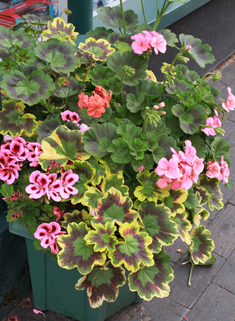
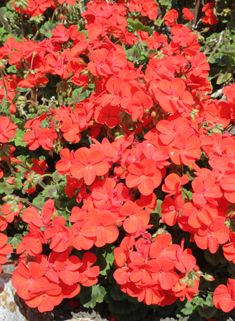
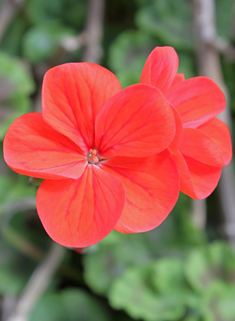
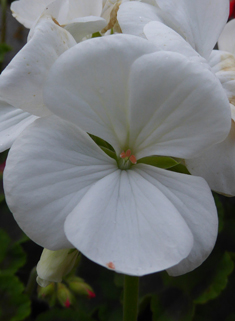
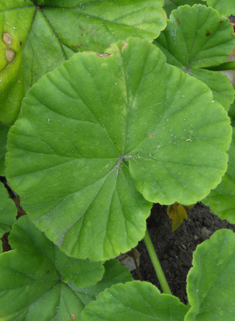
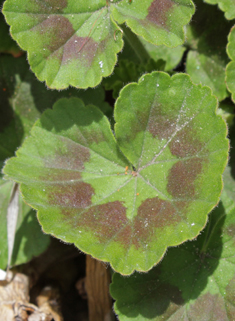
Hybrid Zonal Pelargonium Pelargonium x hybridum
Originated in cultivation from the cross-breeding of South African species. Occasionally found as a short-lived garden throw-out but not surviving frosty weather. Flowers mostly June to August but will continue until frosty weather sets in. Well known as the 'geranium' of cultivation and extremely variable due to extensive, selective cross-breeding. Flowers red, pink or white and leaves with or without a dark blotch and lighter variegation. Stems stiff and succulent.
 |
 |
 |
 |
| |
|
|
|
 |
 |
||
| |
|
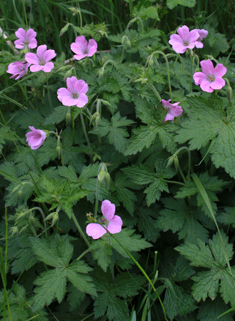
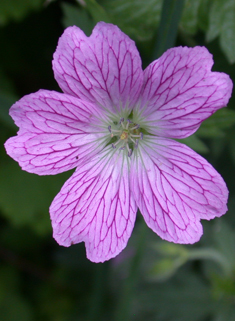
Druce's Crane's-bill Geranium x oxonianum
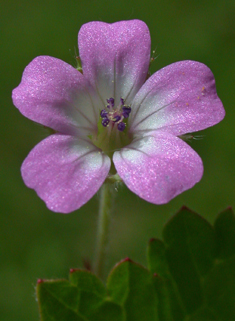
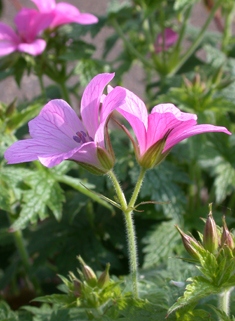
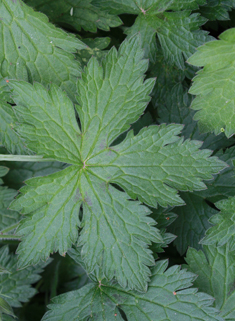
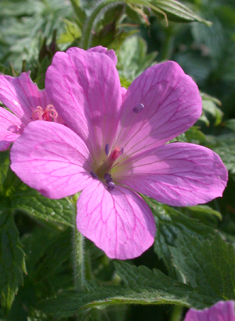
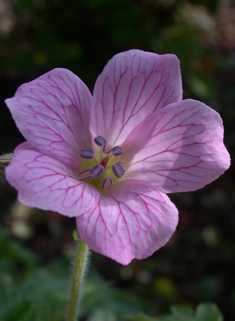
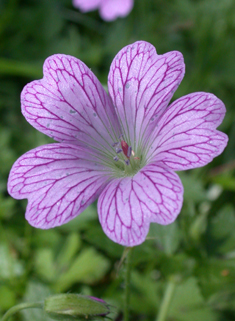
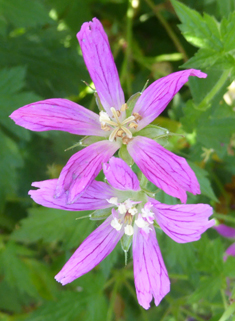
A very variable hybrid between French and Pencilled Crane's-bills and grown in a variety of named cultivars in gardens. Has once been recorded from St Mary's. Flowers June to July. Flowers pink to pale pink with the veins picked out in a slightly darker colour, 3-4cm across with shallowly notched petals and often nodding. A generally vigorous collection of fertile, garden hybrids with a wide range of flower variation (examples shown in the pictures here).
 |
 |
 |
 |
| |
|
|
|
 |
 |
 |
 |
| |
|
|
|
Pencilled Crane's-bill Geranium versicolor
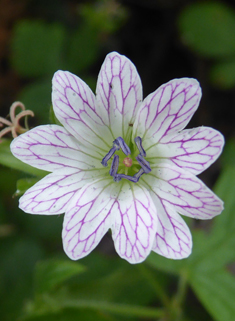
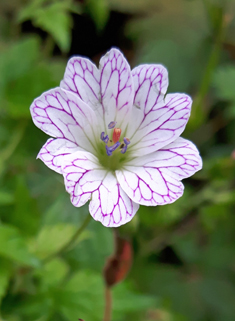
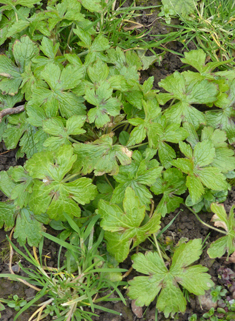
A rare native in the UK but only occurs as a garden escape on the Isles of Scilly, where once recorded on St Mary's. Flowers June to July. Flowers white or very pale pink with reddish veins, small - 2.5-3cm across with deeply notched petals and facing upward, not nodding.
 |
|
 |
 |
| |
|
|
|
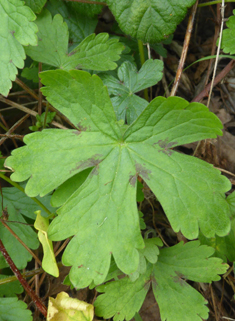
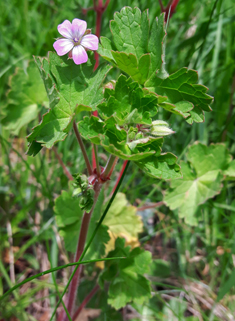
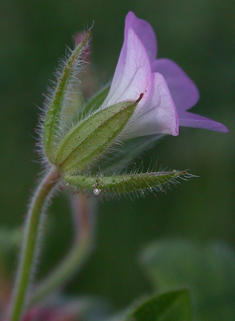
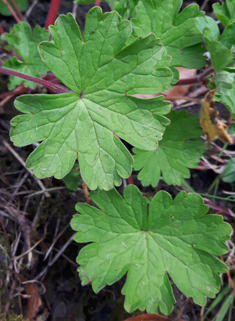
Round-leaved Crane's-bill Geranium rotundifolium
Native in the UK but probably only a rare introduction on the Isles of Scilly. Just a single record from St Mary's. Flowers June to July. A small species but may form small colonies, which stand out as patches of downy, rounded leaves with contrasting red stems. Flowers small, rich pink with a white centre; petals barely notched.
 |
|
 |
 |
| |
|
|
|
 |
|||
| |
Dove's-foot Crane's-bill Geranium molle
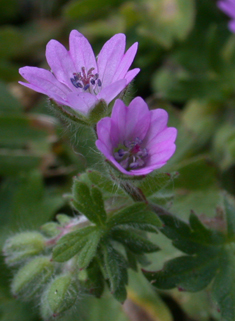
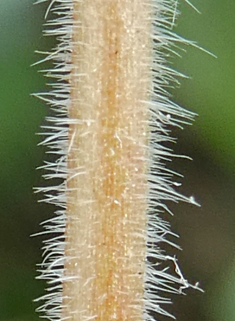
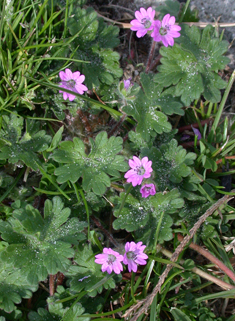
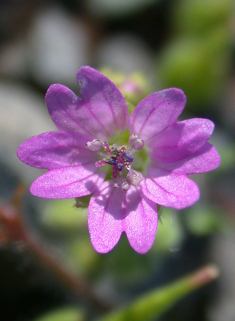
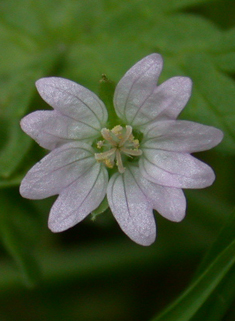
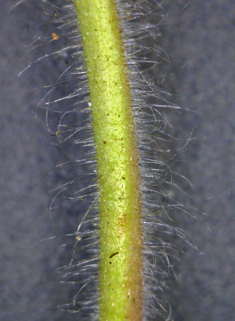
Native. Common throughout most of the larger islands. Flowers April to September. Flowers may be clear, bright pink, or a very pale, wishy washy pink, almost white. Petals broad and slightly overlapping, all ten stamens tipped with anthers; leaf petioles rather shaggy with a mix of short and long hairs of three different lengths.
 |
 |
 |
 |
| |
|
|
|
Small-flowered Crane's-bill Geranium pusillum
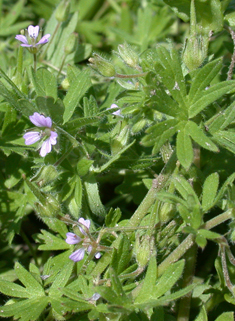
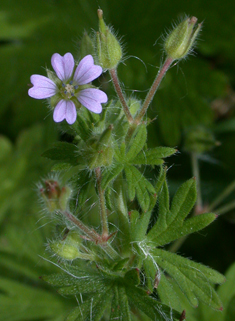
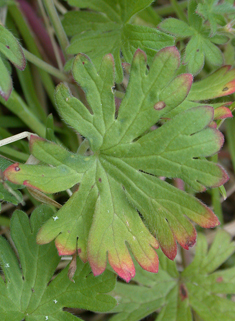
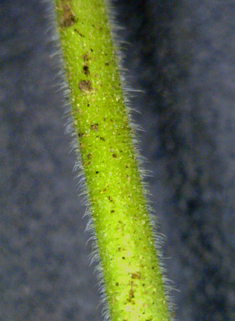
Native. Recorded just twice from the islands. Flowers April to September. A small species that some find hard to tell from Dove's-foot Crane's-bill, but the flowers are a very different colour and the petiole hairs are readily distinguished. Flowers very small and of a distinctive, dull mauve in colour. Petals narrow and not overlapping, with five of the ten stamens not tipped with anthers; leaf petioles with downy short hairs only.
| |
 |
 |
 |
| |
|
|
|
Cut-leaved Crane's-bill Geranium dissectum
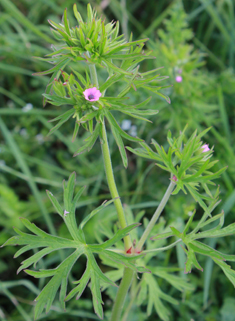
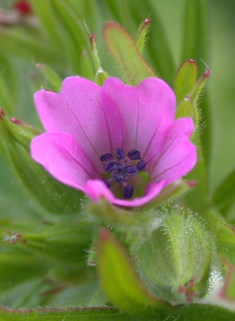
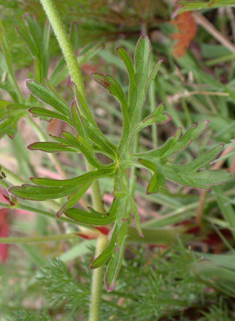
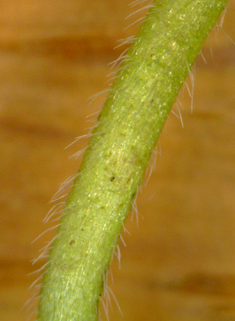
An ancient introduction, found in grassy and disturbed places on all the inhabited islands. Flowers May to August. Usually a well-branched plant to 30cm with a mass of deeply cut leaves. Flowers rich, bright pink, small for a crane's-bill, often not opening fully and half-hidden among leafy bracts. Flowers rarely white. Leaf petioles have rather stiff hairs, that all point downward, away from the leaf blade.
 |
 |
 |
 |
| |
|
|
|
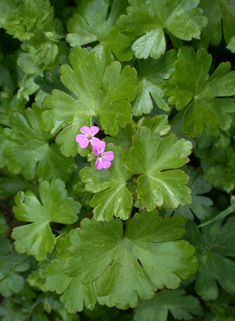
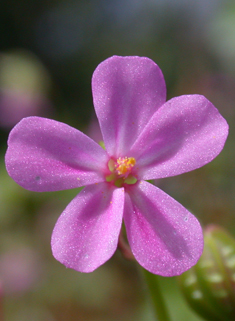
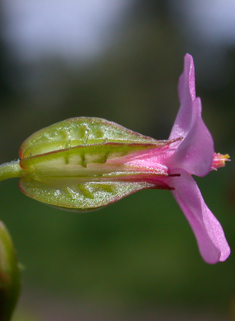
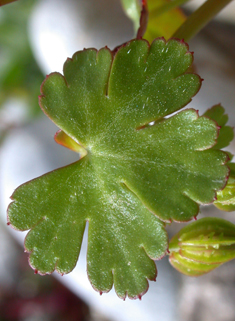
Shining Crane's-bill Geranium lucidum
A scarce species established as an introduction for a while on St Mary's but not reported since the 1990s. Flowers June to July. A low, sprawling plant wth deeply dissected leaves. Flowers held on long stalks; stems and leaves clothed with stiff, whitish hairs. Petals more or less on-notched, bright pink.
 |
 |
 |
 |
| |
|
|
|
Common Herb-Robert Geranium robertianum
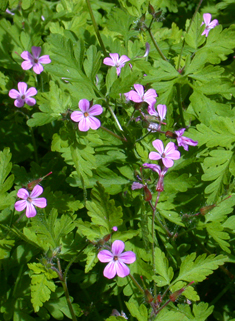
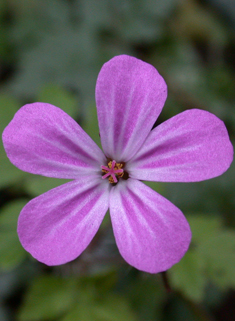
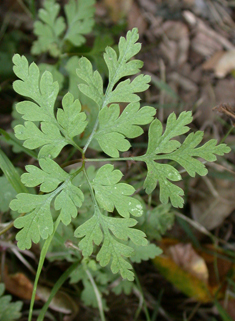
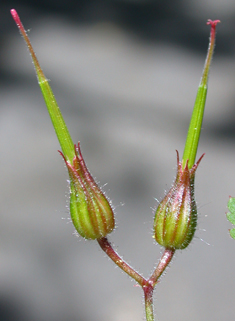
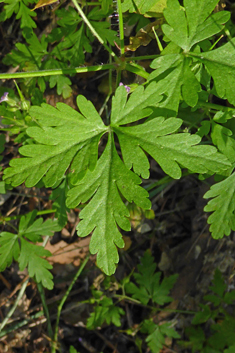
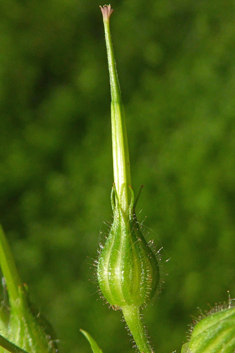
Native. Rather rare with scattered records from St Mary's and St Martin's. Flowers May to September. Low-growing to no more than 40cm. Leaves are divided into three main sections (ternate), each section further deeply divided almost to the veins. Flowers usually pink but sometimes white, petals 8-14mm, anthers pinkish-orange to purple, followed by typical elongated fruiting capsules that resemble a crane's bill.
 |
 |
 |
 |
| |
|
|
|
Little Robin Geranium purpureum
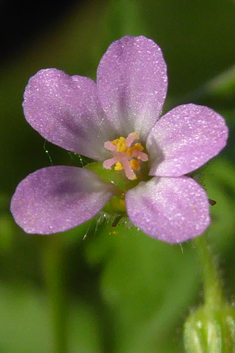
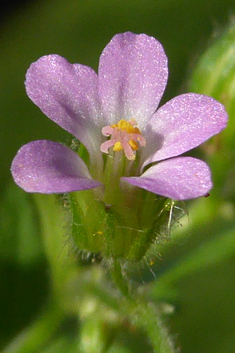
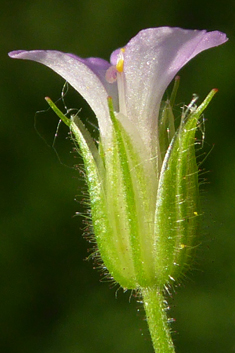
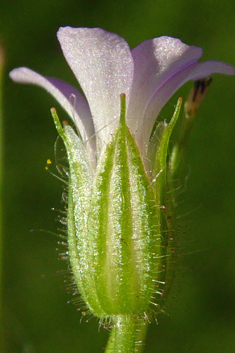
Represented by a single record from the 19th Century. Flowers May to September. Closely resembles a smaller version of Common Herb-robert; petals 5-9mm, anthers yellow, fruits with dense, wrinkle-like ribs and 2-4 deep collar-like ridges at the apex.
 |
 |
 |
 |
| |
|
|
|
 |
 |
||
| |
|
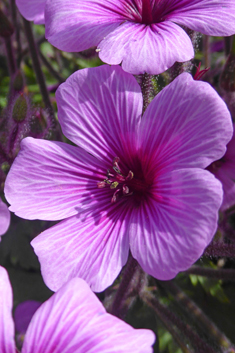
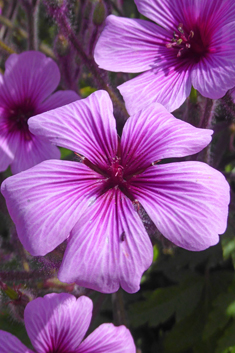
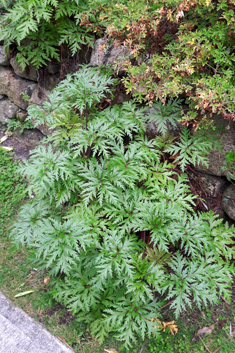
Giant Herb-Robert Geranium maderense
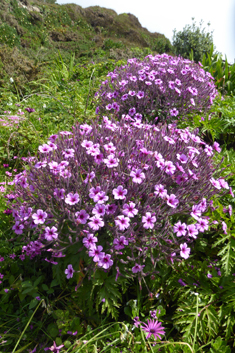
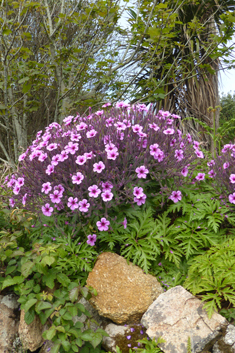
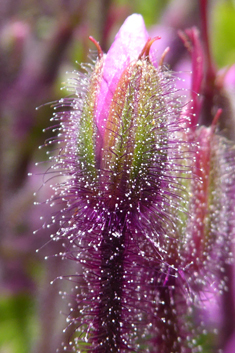
Introduced from Madeira and now well-established as a garden escape on all the inhabited islands. Flowers May to August. A large geranium, distinctive in its huge flowerhead that rises well above the leaves to up to 1.5m in height. Flowering stems covered in dark purple, bristly hairs with pale tips.
 |
 |
 |
 |
| |
|
|
|
 |
 |
 |
 |
| |
|
|
|
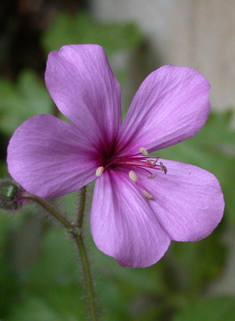
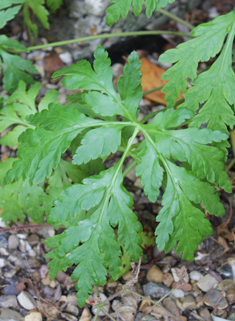
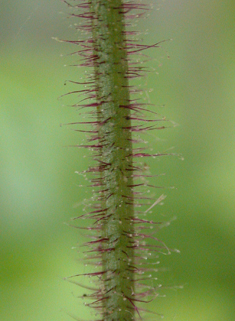
Greater Herb-Robert Geranium yeoi
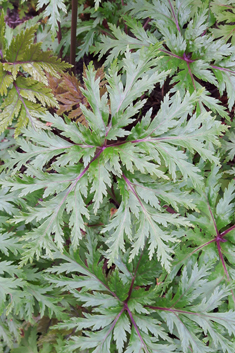
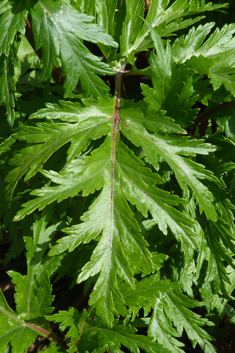
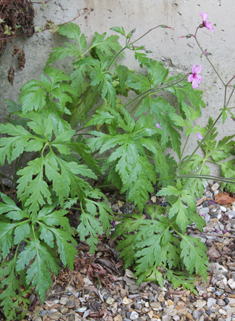
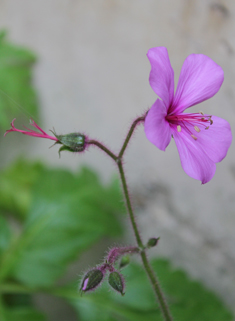
Introduced from Madeira and recorded as a garden escape on St Mary's, Tresco and Bryher. Flowers May to August. Resembles a larger version of our native Common Herb-robert but is larger in all of its parts, especially its leaves, which may grow to 22cm across. Flowers with an obviously darker centre.
 |
 |
 |
| |
|
|
 |
 |
|
| |
|
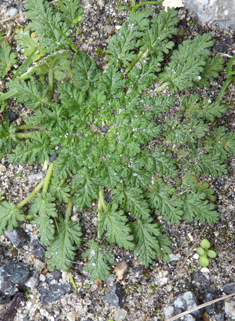
Sea Stork's-bill Erodium maritimum
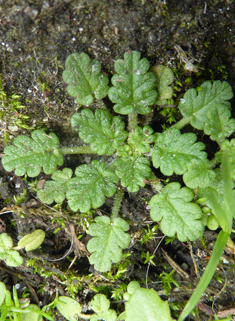
Native. Widespread in a range of habitats but probably most common as a weed on walls and in pavement cracks. Flowers June to September. A small amd easily-missed plant with leaves forming flat rosettes and flowers usually having no petals.
 |
 |
| |
|
Common Stork's-bill Erodium cicutarium
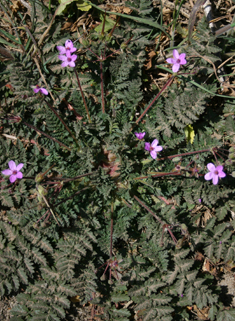
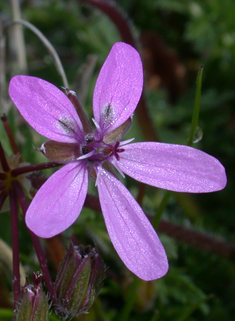
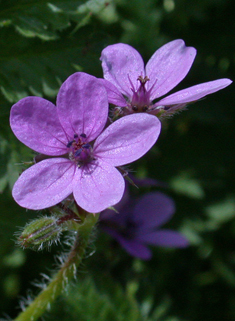
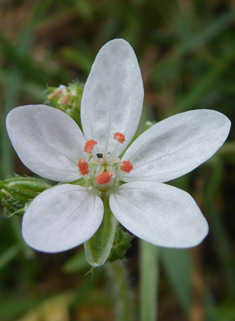
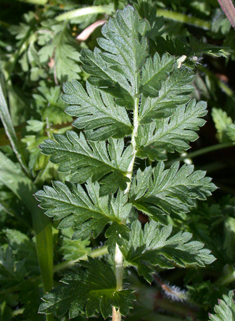
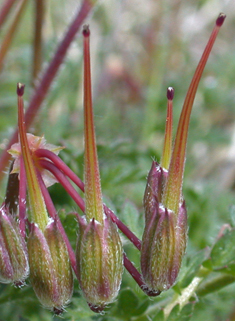
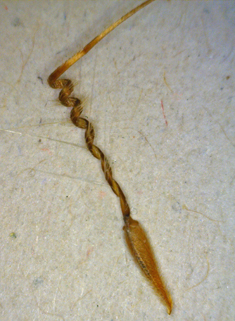
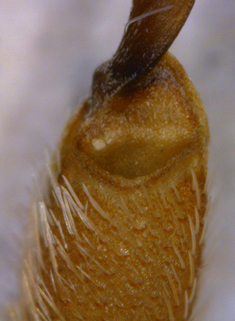
Native. Widespread on the larger islands. Flowers June to August. Leaves form flat rosettes on open ground but may be more upright among taller vegetation and have a 'carrot top' look. Leaflets deeply toothed/lobed and usually cut more than half way to their midrib. The seed capsule has a distinct, single, ridge and groove towards the top end, which is not obscured by over-growing hairs.
 |
 |
 |
 |
| |
|
|
|
 |
 |
 |
 |
| |
|
|
|
Musk Stork's-bill Erodium moschatum
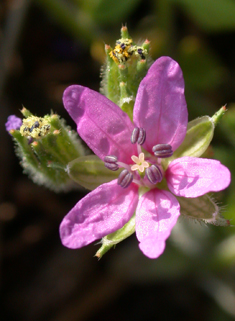
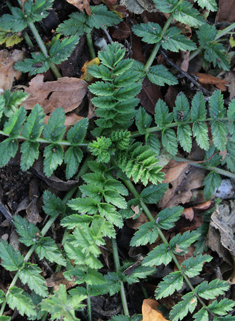
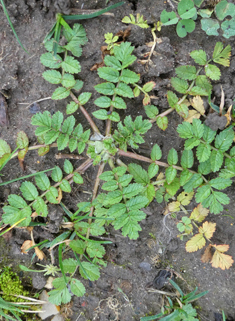
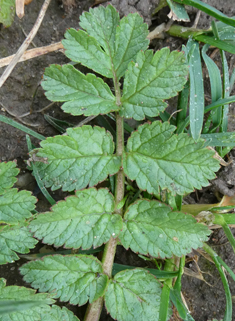
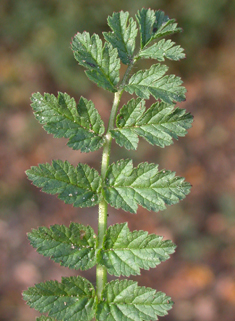
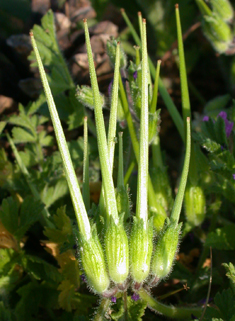
Introduced. Common and widespread as a weed of disturbed ground. Flowers April to July. Leaves form flat rosettes on open ground but may be more upright among taller vegetation and have a 'carrot top' look. Leaflets more shallowly toothed/lobed than those of Common Stork's-bill and cut no more than half way to their midrib.
 |
 |
 |
| |
|
|
 |
 |
 |
| |
|
|