Fumitories
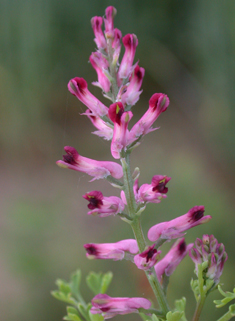
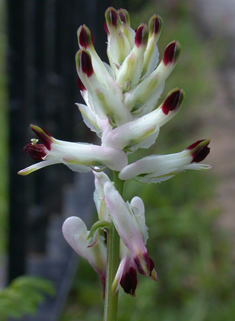
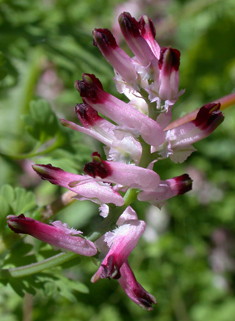
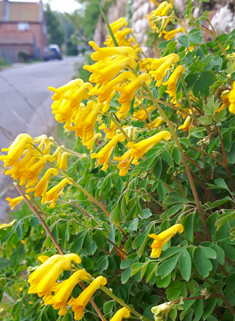
What are they?
A group of low-growing, herbaceous plants with slightly fleshy leaves and distinctively-structured, tubular flowers. Some species grow from underground tubers, while others favour growing directly from cracks in walls. The fumitories, corydalises and related species were formerly placed in their own family - the Fumariaceae - but more recent research considers them to be part of a larger poppy family (Papaveraceae).
Where are they found?
The fumitories are mostly annuals of cultivated ground and are most likely to be found on arable field edges or in gardens. Corydalis species may be found as garden escapes, most often on walls.
Identification
The first step to identifying this group is to recognise the distinctive flower shape, that separates them from all other plant groups. The flowers have four petals, with the upper by far the largest and having a broadly rounded spur at the base. The upper and lateral petals are often darker-coloured at the tip, while the lower petal is usually much smaller and distinctly narrower than the other petals, often with a broader, spoon-shaped tip. Flowers are key to identifying the species, with some identifiable from details of the flower colour, combined with details of the flower bract. In the fumitories, it is often also necessary to note the shape of the seed capsule - which may require another visit to the plant at a later date, though flowers and fruits may both be present at the same time.
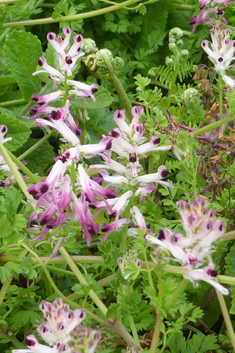
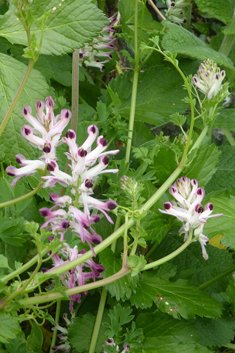
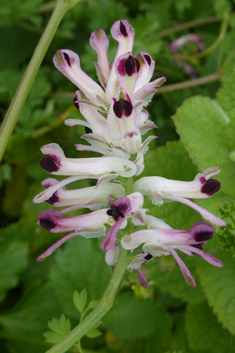
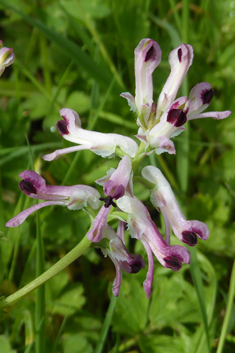
Western Ramping Fumitory Fumaria occidentalis
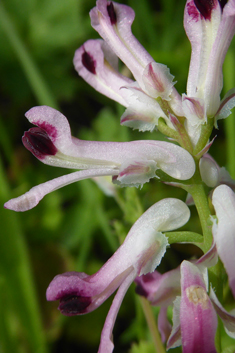
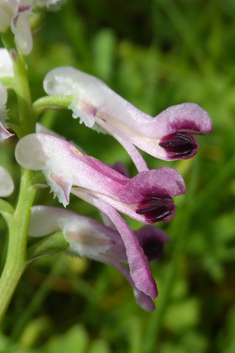
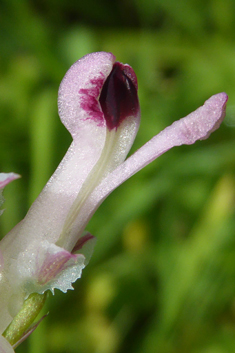
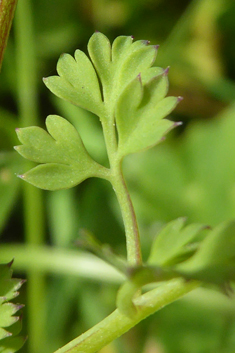
Native in disturbed ground and field margins on St Mary's with small populations recorded recently from St Martin's and formerly on St Agnes. A large species that can frequently be found scrambling over walls and hedgebanks. Flowers April to June, sometimes later. Flowers relatively large (12-14mm long), mostly white, with a variable pink wash and a dark, blackish-purple tip. The pink wash typically increases as the flowers mature while the dark tip only extends onto the top of the upper petals as a rounded 'thumbprint'. Sepals 4-5mm long, large and relatively broad. The flower pedicels do not recurve strongly as fruits start to form. Fruits large, up to 3mm across.
 |
 |
 |
 |
| |
|
|
|
 |
 |
 |
 |
| |
|
|
|
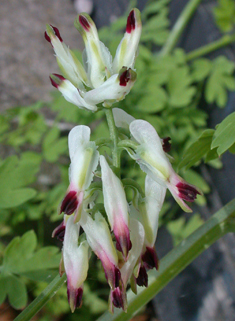
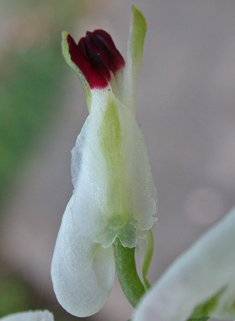
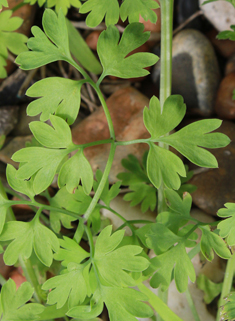
White Ramping Fumitory Fumaria capreolata
Native in disturbed ground on the inhabited islands, especially on St Mary's and St Agnes. Flowers April to June. Flowers relatively large, creamy white, with a dark, blackish-purple tip. Sepals 4-6mm long, large and relatively broad. The flower pedicels recurve strongly as fruits start to form.
 |
|
 |
 |
| |
|
|
|
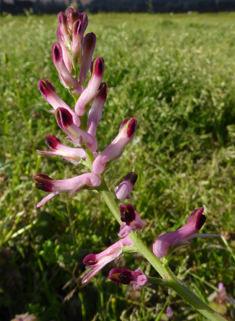
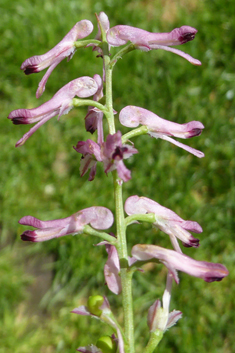
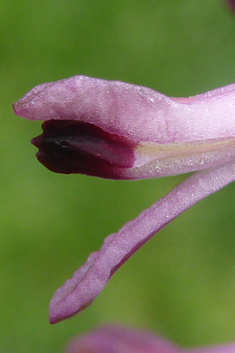
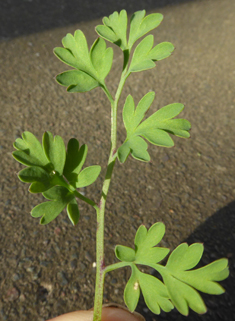
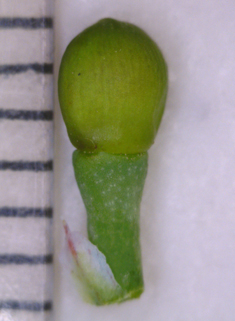
Tall Ramping Fumitory Fumaria bastardii
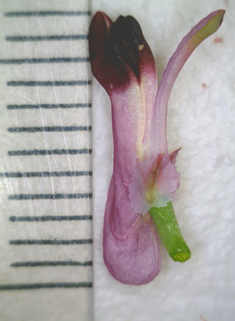
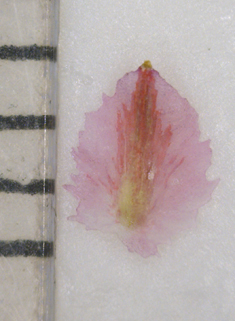
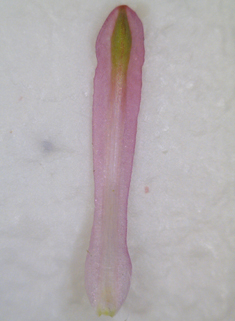
Native. Frequent as an annual of disturbed ground. Flowers June to October. Flowers pale pink, 9-12mm long. Sepals toothed for most of their margin, 2-3mm long. Lower petal parallel-sided, not spathulate at the tip. Note: Most plants on Scilly are variety bastardii which has little or no dark coloration on the tip of the upper petals. Variety hibernica with a dark tip to the upper petals has been recorded from St Mary's.
 |
 |
 |
 |
| |
|
|
|
 |
 |
 |
 |
| |
|
|
|
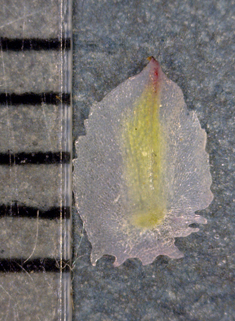
Common Ramping Fumitory Fumaria muralis
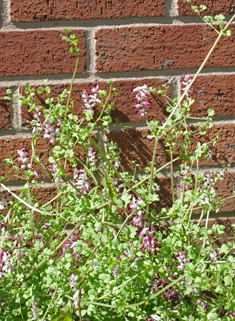
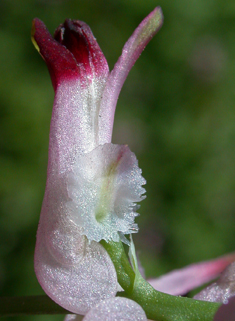
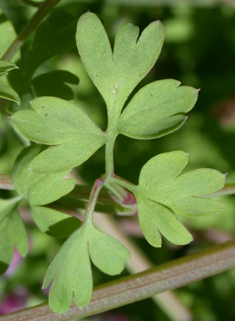
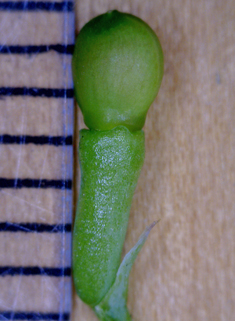
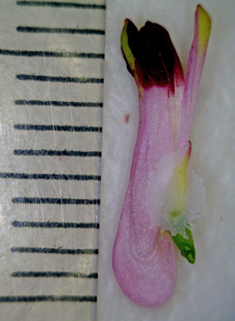
Native. Common and widespread on the inhabited islands, sometimes in mixed populations with other fumitory species. Flowers May to October. Flowers pink and white, paler than those of Common Fumitory, 9-11mm long. Racemes relatively few-flowered, the whole spike about equal in length to its common stalk (peduncle). Sepals 3-5mm long, short but relatively broad. Lower petal not spathulate. Foliage slightly coarser with broader lobes than that of Common Fumitory.
 |
|
 |
 |
| |
|
|
|
 |
 |
 |
|
| |
|
|
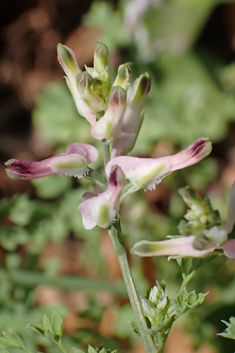
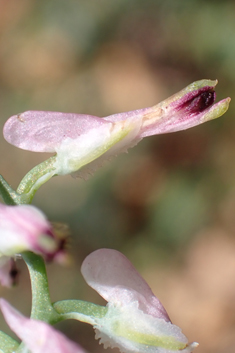
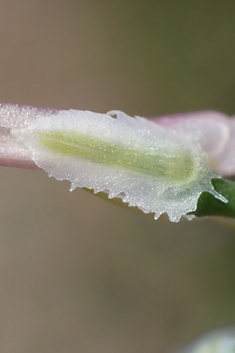
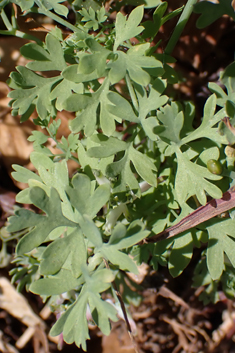
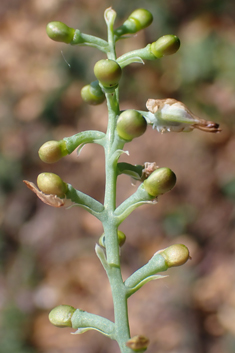
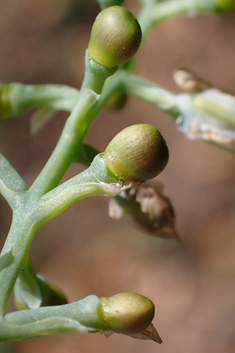
Purple Ramping Fumitory Fumaria purpurea
Probably accidentally introduced, having been recorded briefly during the late 1980s on St Mary's but not before or since. Flowers March to October. Flowers 10-13mm, pale to deep pink, with a dark purple tip. Sepals 4.5-6.5mm long, large and broader than the petal tube.
 |
 |
 |
| |
|
|
 |
 |
 |
| |
|
|
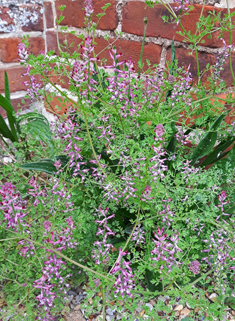
Common Fumitory Fumaria officinalis
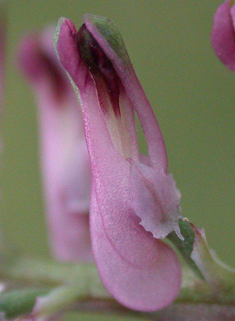
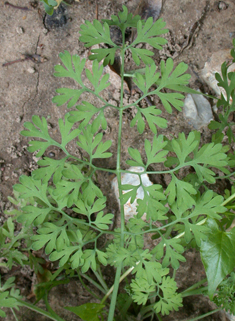
An early introduction, perhaps brought to Britain by Neolithic settlers. Once more widespread as a weed of cultivated and disturbed ground but now seems to be more or less confined to Bryher. Flowers April to October. Flowers relatively small, 7-8mm in length, bright pink, in heads of 10-45 or more. Sepals 2-3.5mm long, small and relatively narrow. Foliage very fine.
 |
|
 |
 |
| |
|
|
|
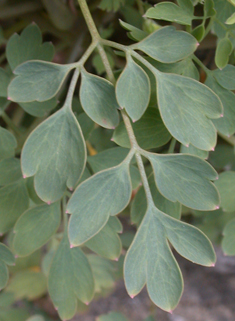
Yellow Corydalis Pseudofumaria lutea
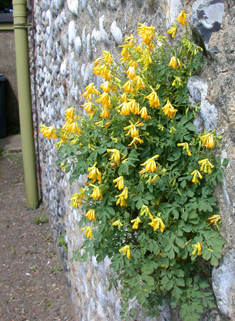
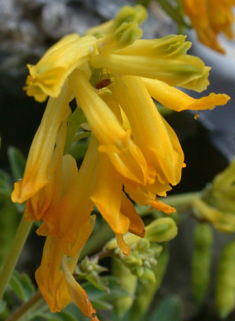
Introduced from southern Europe and once recorded from a wall in Hughtown, St Mary's. Flowers April to August. Flowers rich, deep yellow.
 |
|
 |
 |
| |
|
|
|