Ferns
Royal Ferns - Osmundaceae
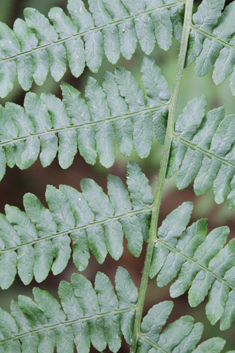
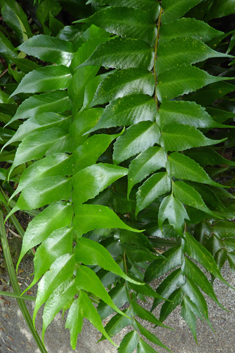
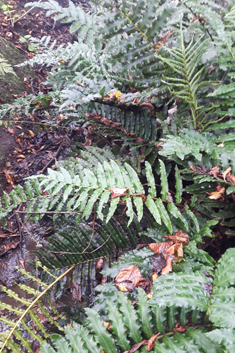
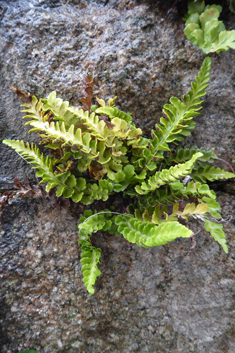
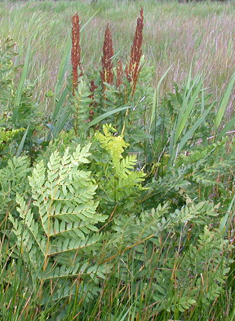
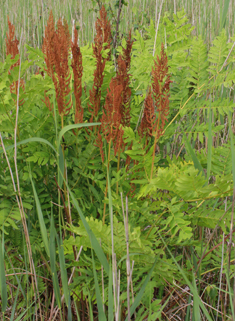
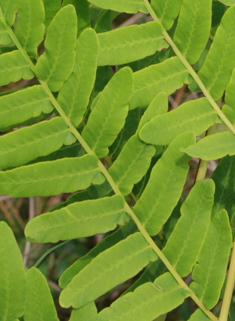
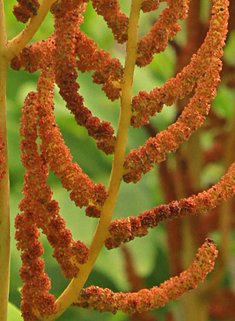
European Royal Fern Osmunda regalisNative in wetlands on St Mary's, Tresco and Annet.
 |
 |
 |
 |
| |
|
|
|
Tree-ferns - Dicksoniaceae
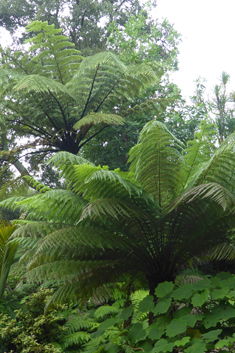
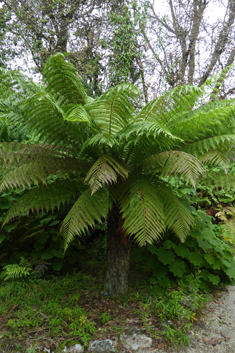
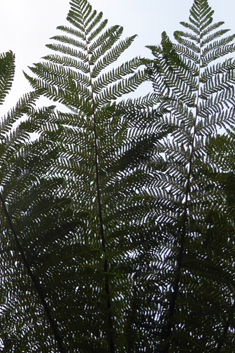
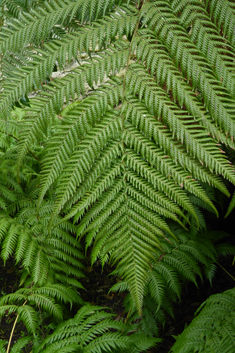
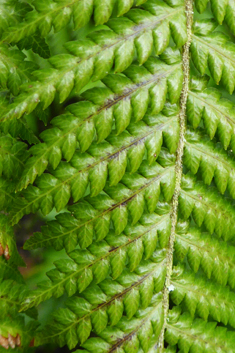
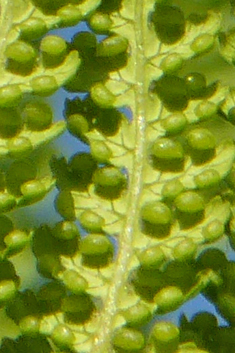
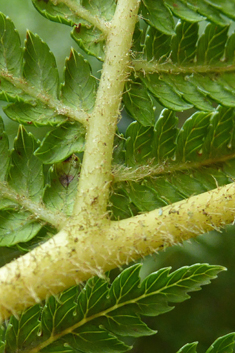
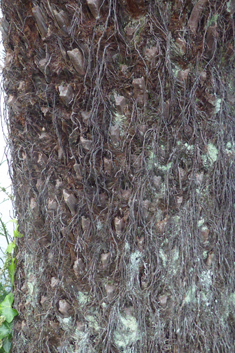
Australian Tree-fern Dicksonia antarcticaIntroduced from eastern Australia. Widely planted around Tresco Abbey Gardens with a few plants elsewhere on inhabited islands. Recorded as self sown on Tresco.
 |
 |
 |
 |
| |
|
|
|
 |
 |
 |
 |
| |
|
|
|
Ribbon Ferns - Pteridiaceae
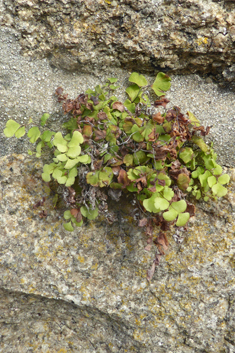
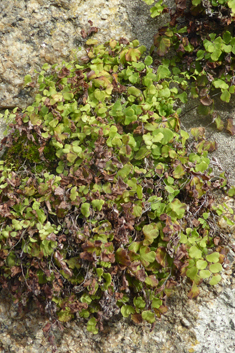
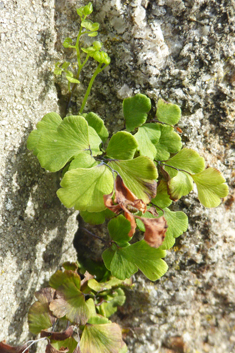
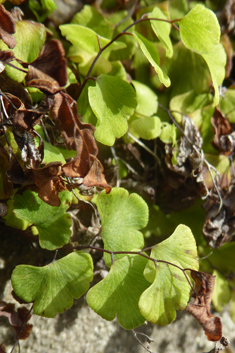
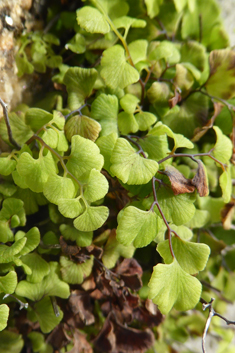
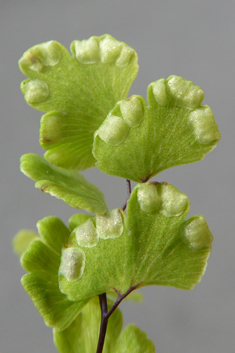
Common Maidenhair Fern Adiantum capillus-venerisFormerly native in a few sea caves but now known only as an introduced population, growing on urban walls around Hughtown, St Mary's. The leaves bear fan-shaped pinnae, carried on fine, hair-like, blackish stems and are very distinctive. This plant is probably much better known as a houseplant in the UK but the wind-lashed plants around Hughtown are rather stunted compared with the graceful potplants of sheltered conservatories and windowsills.
 |
 |
 |
 |
| |
|
|
|
 |
 |
||
| |
|
Brackens & Allies - Dennstaedtiaceae
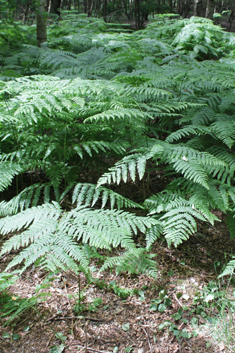
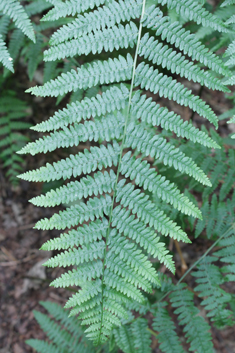
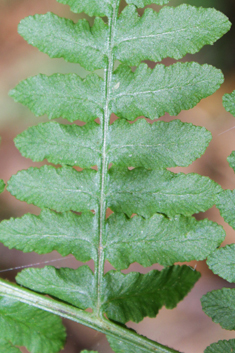
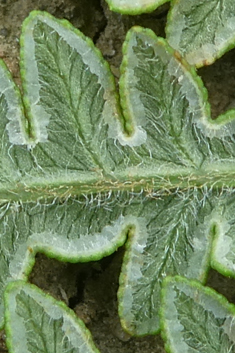
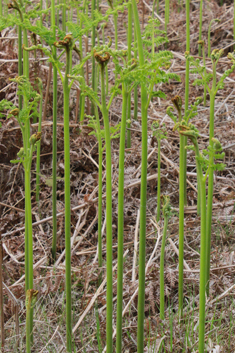
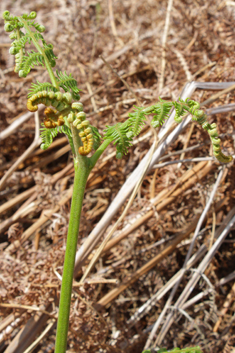
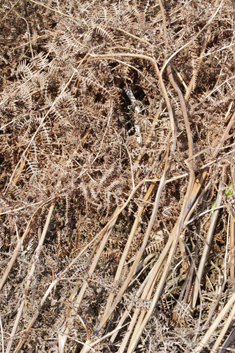
Common Bracken Pteridium aquilinumNative. An abundant plant of both shady and sunny places on coastal heaths and uncultivated ground. Bracken spreads readily by underground rhizomes which push up fresh, bright green leaves in great quantity in the spring and which then die down in the autumn, the dead leaves turning cinnamon-brown and remaining through the winter. Easily told from all other ferns by its spreading habit, coupled with the two- to three-metre long leaves, which start as a single stalk, but then branch into three main sections. Ripe spores appear in autumn and are covered by inrolled leaf margins.
 |
 |
 |
 |
| |
|
|
|
 |
 |
 |
 |
| |
|
|
|
Buckler Ferns - Dryopteridaceae
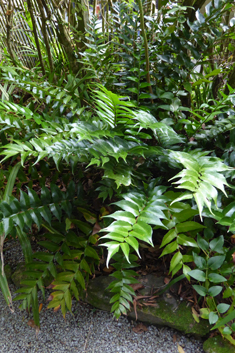
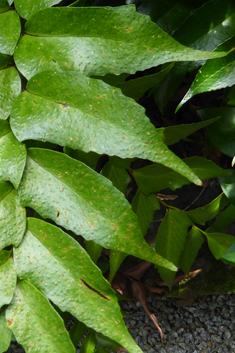
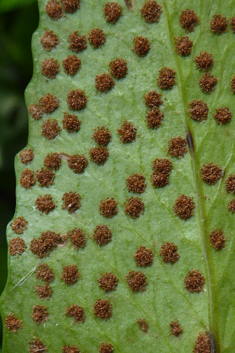
Falcate Holly-fern Cyrtomium falcatum(House Holly-fern) Introduced from warm-temperate eastern Asia as an ornamental and recorded from a number of locations around St Mary's, most often along shady hedgebanks and copses. The fronds are glossy with the pinnae untoothed or only toothed in the lower two-thirds of the leaf margin. Mature fronds have 3-11 pairs of pinnae. Sori are scattered across the underside of the leaves.
 |
 |
|
 |
| |
|
|
|
 |
|||
| |
Soft Shield Fern Polystichum setiferum
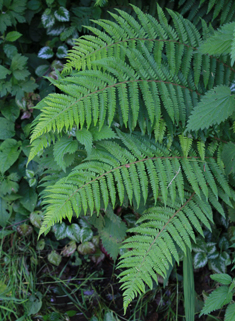
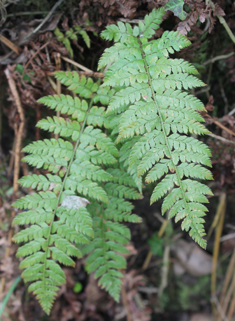
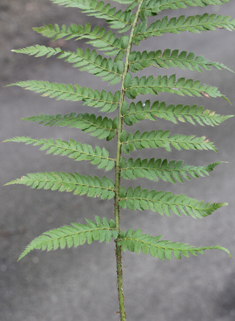
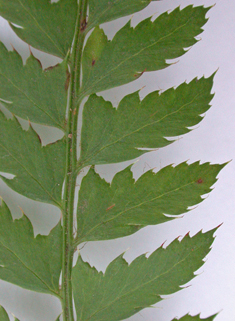
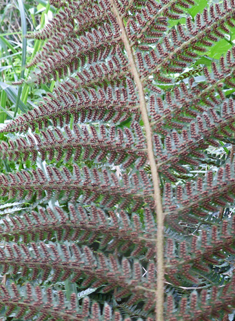
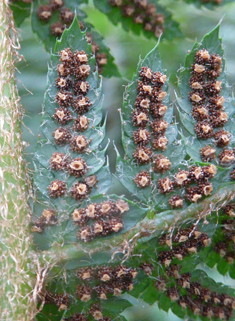
Native. Found most frequently in mossy, damp ditches bordering woodland or along shady lanes and back roads. Widespread but generally uncommon. Spore-bearing fronds may be found from July to December. Overall, the leaf is rather soft to the touch and has a narrow outline with pinnae becoming only a little shorter towards the base before ending abruptly. Pinnules are sharply pointed with long teeth. The basal margins of the lowest pair of pinnules form an acute angle.
 |
 |
 |
 |
| |
|
|
|
 |
 |
||
| |
|
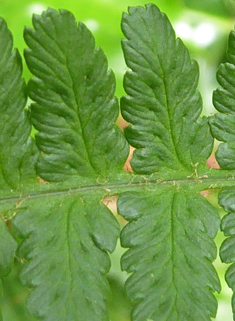
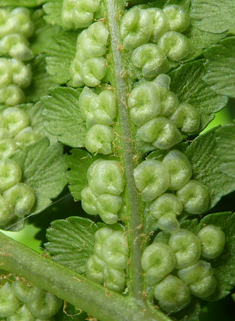
Common Male Fern Dryopteris filix-mas
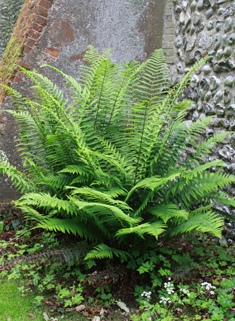
Native. A frequent clump-forming fern of shady places, found on all the inhabited islands and a few of the smaller islands. A deciduous species, with all of the leaves dying down over winter - thus, spring plants consist only of new, fresh green leaves. Leaves are narrower and more parallel-sided than those of Broad Buckler Fern and the pinnules have less sharply-pointed tips. Compared with Scaly Male Fern, the pinnules are more sharply pointed and they tend to taper slightly towards the tip.
 |
 |
 |
| |
|
|
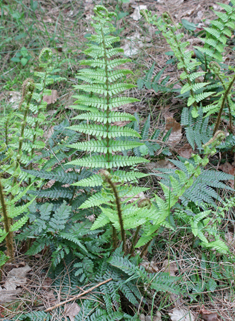
Scaly Male Fern Dryopteris affinis aggregate
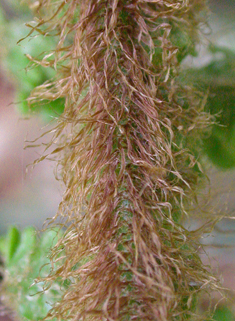
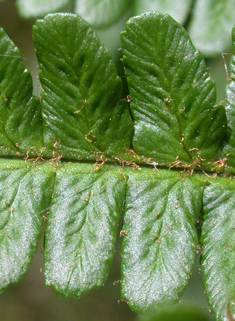
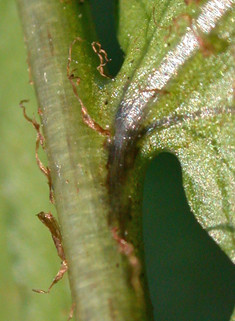
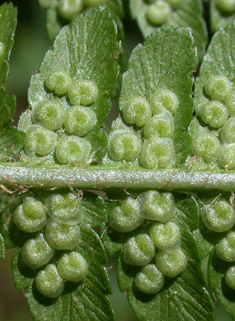
Native. The male ferns have been reviewed in recent years, such that the true status of the various forms has yet to be fully established. Scaly Male Fern consists of a difficult group of plants that are very closely related but their full taxonomy is still open to debate. It is most likely that they represent apomictic species that produce clonal populations, but for now, they are represented by Scaly Male Fern, which here represents the general group where the plant cannot be assigned to one of the subspecies. There also follows, details of two subspecies that have been record on Scilly and which form relatively distinct populations; these are Golden-scaled Male Fern and Borrer's Male Fern. Unlike Common Male Fern, these are more or less evergreen species - thus, spring plants consist of both new, fresh green leaves and old, dark green leaves. Leaves are narrower and more parallel-sided than those of Broad Buckler Fern and the pinnules have less sharply-pointed tips. Compared with Common Male Fern, the pinnules are very rounded at the tip and have more or less parallel sides. At the base of the pinnules, there is a dark, blackish mark. The scales at the base of the leaf stalk are plentiful and very obvious.
Note: All of the Dryopteris affinis photos here were taken on the mainland but are used here to aid identification of any plants that might be found on the Isles of Scilly. 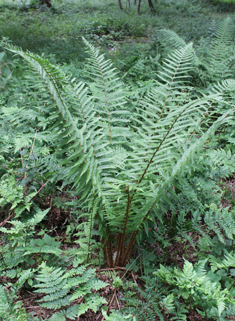 |
 |
 |
| |
|
|
 |
 |
 |
| |
|
|
Borrer's Male Fern Dryopteris affinis ssp. borreri
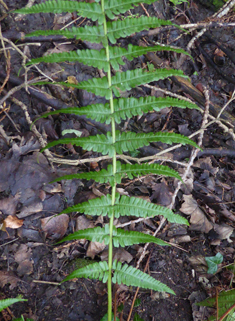
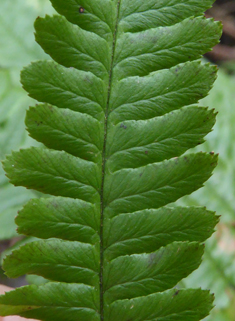
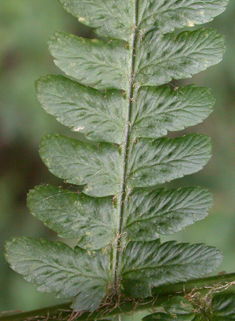
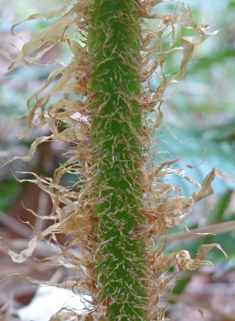
Native. Identification details under Scaly Male Fern also apply to this subspecies. Leaves narrow a little towards the base but end abruptly, with the lowest pinnae about half as long as those half way along the leaf. The scales on the leaf stalk are less plentiful than those of Golden-scaled Male Fern and are typically a pale straw colour. The basal pinnule on each pinna is typically a little longer than the one next to it, well toothed on the margins and with a distinct lobe at the base. Pinnules are often conspicuously toothed at the 'shoulder'.
 |
 |
 |
 |
| |
|
|
|
Golden-scaled Male Fern Dryopteris affinis ssp. affinis
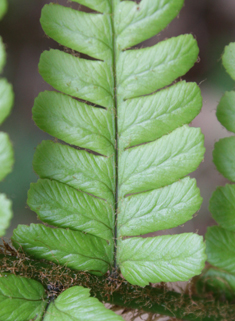
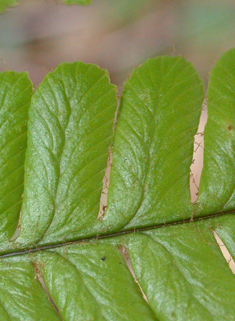
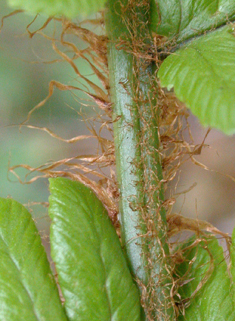
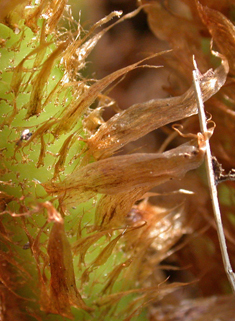
Native. Identification details under Scaly Male Fern also apply to this subspecies. Leaves narrow towards the base, with the lowest pinnae less than half as long as those half way along the leaf. The scales on the leaf stalk are plentiful and are a golden-brown colour. The basal pinnule on each pinna is about the same size as the one next to it, only vaguely toothed on the margins and without a distinct lobe at the base. Pinnules are typically round-tipped and not toothed at the 'shoulder'.
 |
 |
 |
| |
|
|
 |
 |
|
| |
|
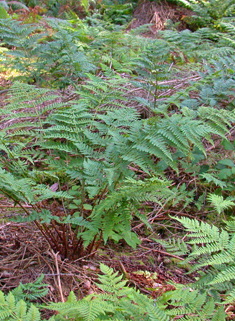
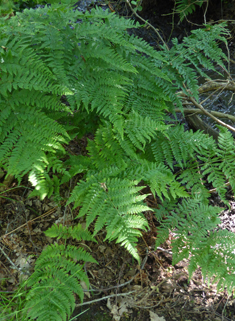
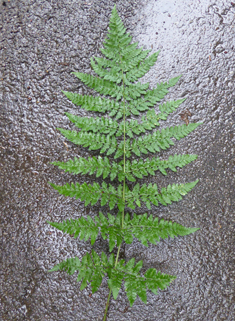
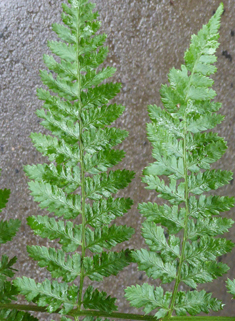
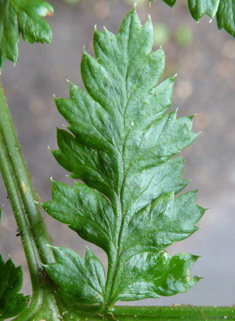
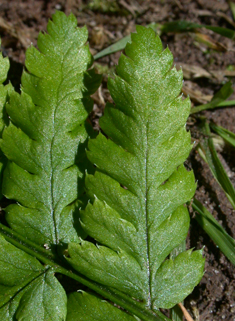
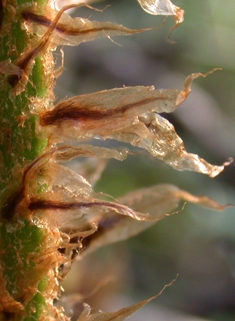
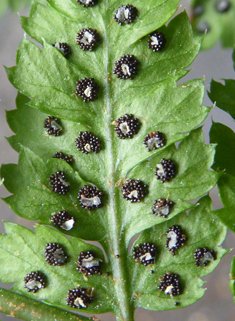
Broad Buckler Fern Dryopteris dilatata
Native. In shady places on all of the larger islands. Spore-bearing fronds may be found from late May to August. Overall, the leaf has a broad outline with the longest pinnae half way down the leaf and becoming shorter towards the base. Pinnules end in sharply pointed teeth with incurved tips. The scales at the base of the leaf are pale with an obvious, dark centre.
 |
 |
 |
 |
| |
|
|
|
 |
 |
 |
 |
| |
|
|
|
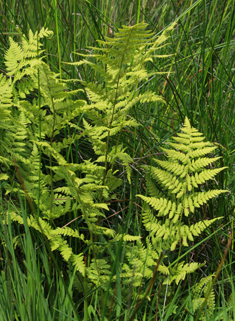
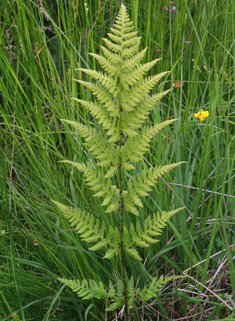
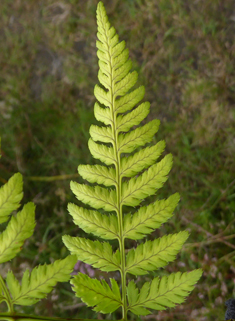
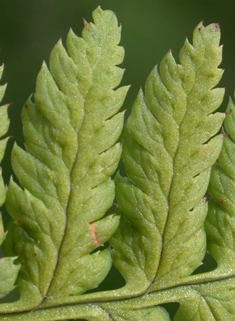
Narrow Buckler Fern Dryopteris carthusiana
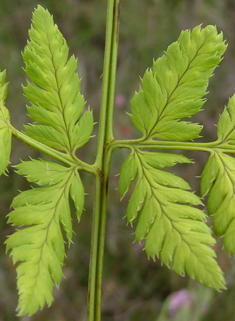
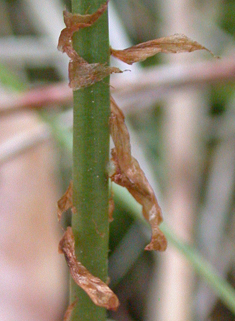
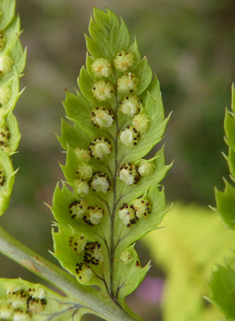
Native. Formally on St Mary's, Tresco and Bryher, but not recorded since 1993. Spore-bearing fronds may be found from late May to August. Overall, the leaf has a relatively narrow outline with the lowest pairs of pinnae being the longest and the leaf having a noticeably long stalk. Pinnules end in sharply pointed teeth with incurved tips. The scales at the base of the leaf are pale, without dark centres.
 |
 |
 |
 |
| |
|
|
|
 |
|
 |
 |
| |
|
|
|
Lady Ferns - Athyriaceae
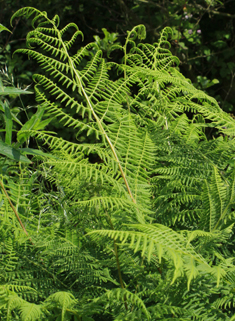
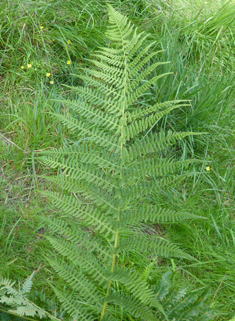
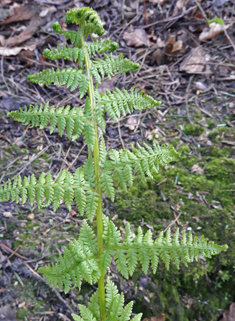
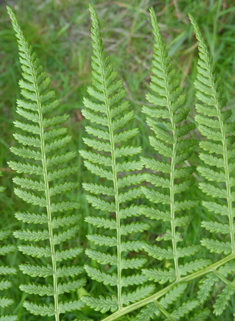
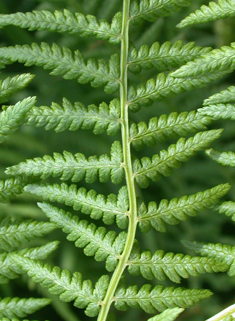
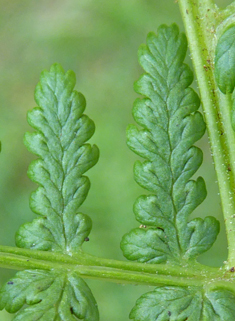
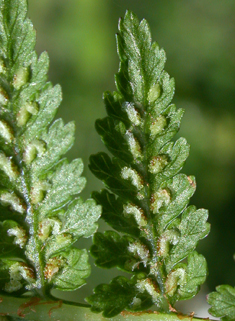
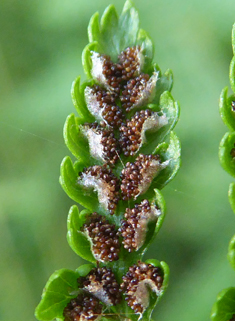
Common Lady Fern Athyrium filix-feminaNative. Frequent on St Mary's and Tresco in damp, shady places. Ripe spores present in late autumn. A graceful species with delicately and finely cut leaves. Leaves in outline are broadest about the middle, with a pointed, long-tapered tip. Pinnules have deeply lobed and toothed margins. The spores are covered by an indusium which is either linear, or more often curved or J-shaped in outline.
 |
 |
 |
 |
| |
|
|
|
 |
 |
 |
 |
| |
|
|
|
Polypodies Ferns - Polypodiaceae
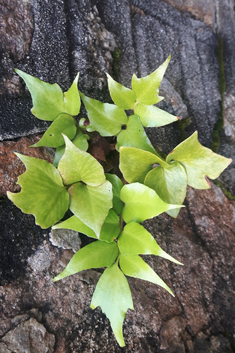
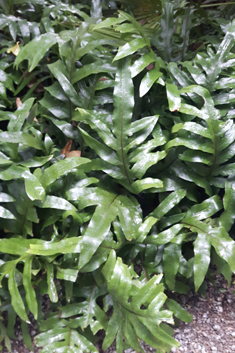
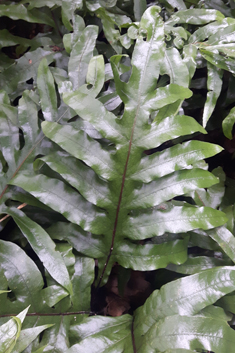
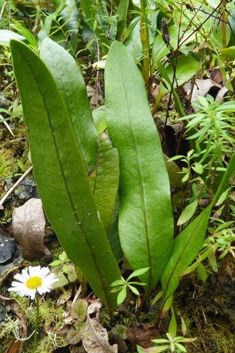
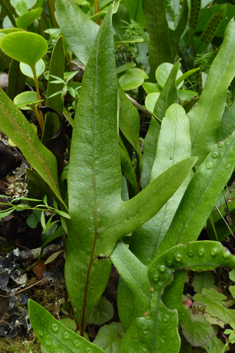
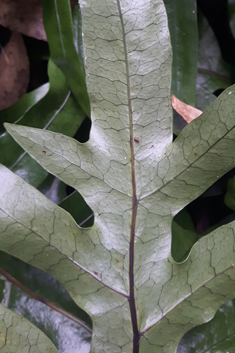
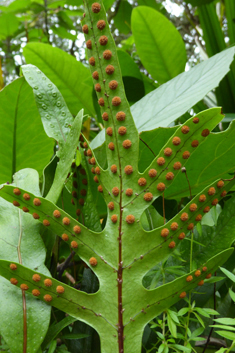
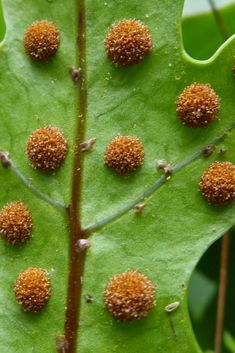
Kangaroo Fern Lecanopteris pustulata(Phymatosorus diversifolius, Zealandia pustulata) Introduced from Eastern Australia and New Zealand. Long-established in damp woodland on Tresco and St Mary's. Forms extensive creeping mats. Younger plants have simple leaves, gradually acquiring more lobed leaves with age.
 |
 |
 |
 |
| |
|
|
|
 |
 |
 |
|
| |
|
|
Intermediate Polypody Polypodium interjectum
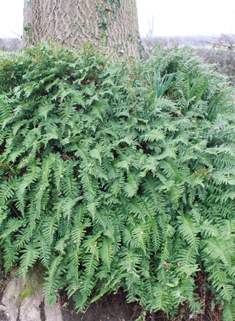
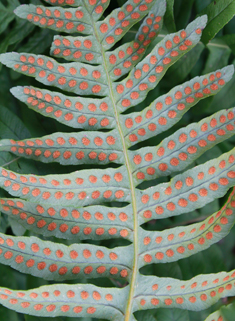
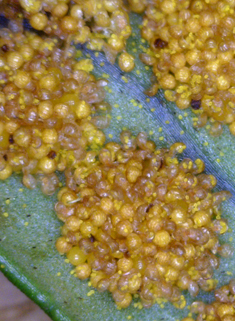
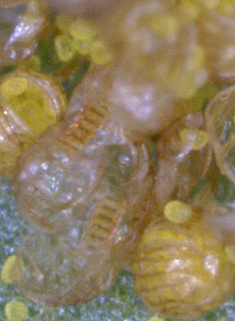
Native. Widespread and the commonest of the two polypody species on the islands. Frequently found on old walls, where it is more tolerant of limey mortar than is Common Polypody. Ripe spores present in late autumn or early winter. The leaf shape tends to be broadest about the middle and tapers toward each end and the pinnae are somewhat pointed at the tip. Under high magnification, the spore cases can be seen to consist of two halves, held together by a ribbed 'strap'. In Intermediate Polypody, this strap has on average 7-9 (extreme 4-13) ribs or bands, while Common Polypody has on average 10-14 (extreme 7-17) ribs.
 |
 |
 |
 |
| |
|
|
|
 |
 |
||
| |
and ribbed straps |
Common Polypody Polypodium vulgare
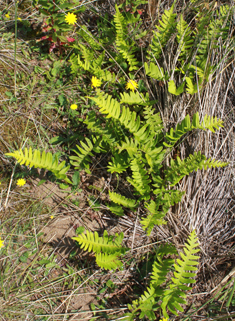
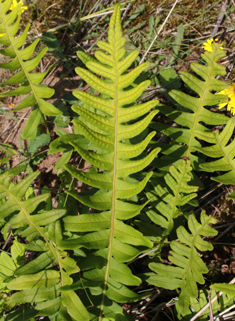
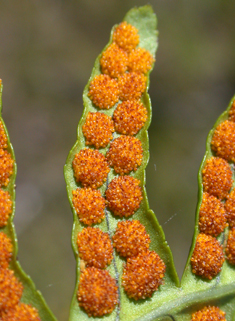
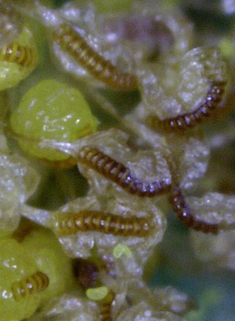
Native. Widespread on the larger islands but less common than Intermediate Polypody. Ripe spores present in late autumn or early winter. The leaf shape tends to be more or less evenly wide throughout much of its length, tapering more sharply toward each end and the pinnae are rather blunt at the tip. Under high magnification, the spore cases can be seen to consist of two halves, held together by a ribbed 'strap'. In Intermediate Polypody, this strap has on average 7-9 (extreme 4-13) ribs or bands, while Common Polypody has on average 10-14 (extreme 7-17) ribs.
 |
 |
 |
 |
| |
|
|
and ribbed straps |
Manton's Polypody Polypodium x mantoniae
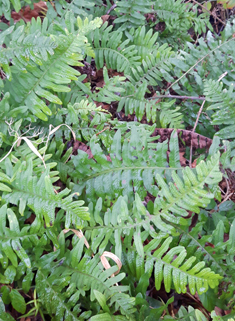
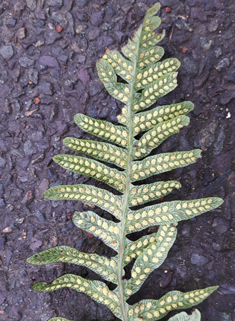
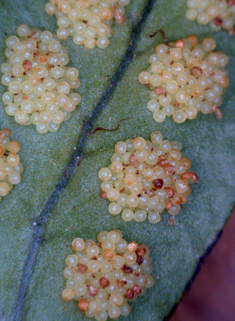
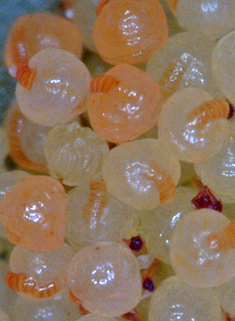
Native. Probably under-recorded but could occur in shady places or on walls. The leaf is rather variable in appearance and may often be rather uneven or distorted in overall shape, but they often resemble those of Intermediate Polypody in being widest about half way along the length of the leaf. Under high magnification, the spore cases can be seen to consist of two halves, held together by a ribbed 'strap'; this strap has on average 9-10 ribs or bands. Manton's Polypody is a hybrid between Common and Intermediate Polypody and is sterile, so no yellow or orange spores will be found and the sori will be seen to be empty when viewed under high magnification.
 |
 |
 |
 |
| |
|
|
and ribbed straps |
Hard Ferns - Blechnaceae
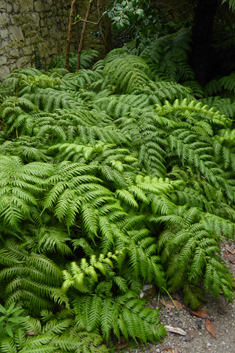
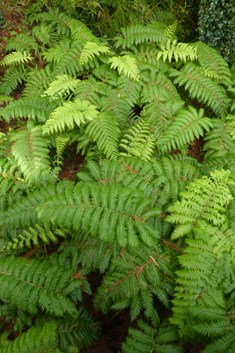
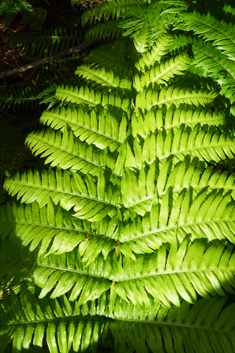
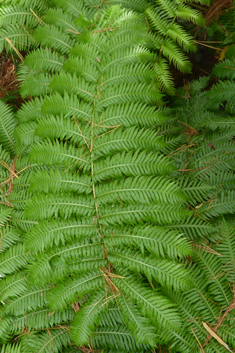
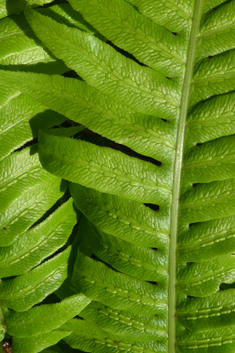
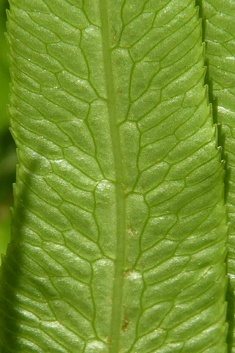
European Chain Fern Woodwardia radicansNative to the western Mediterranean region and Macaronesia. Natutalised in shady woodland on Tresco. The name 'chain fern' comes from the unusual venation of the leaves which creates oval shapes that look like the links of a chain.
 |
 |
 |
 |
| |
|
|
|
 |
 |
||
| |
|
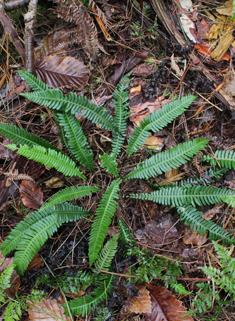
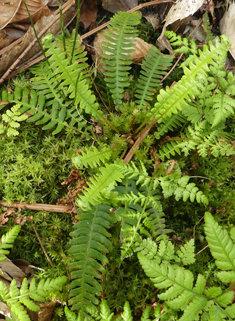
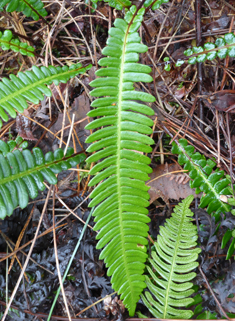
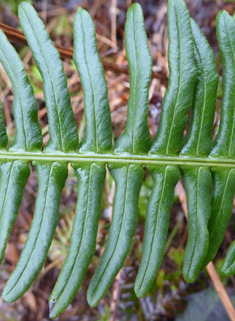
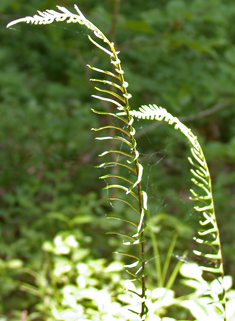
Common Hard Fern Struthiopteris spicant
(Blechnum spicant) Native. A rare species, recorded sporadically from Tresco and St Mary's. Spore-bearing fronds may be found late summer onward. A small species, with leaves growing to 20-60cm in length. Leaves are of two types, all being just once-pinnate, without pinnules. The outer leaves are sterile and arch outward, while the inner leaves are narrower, fertile (bearing the spores) and stand upright in the centre of the plant.
Note: Most references will place this species in the genus Blechnum. The taxonomy here follows the specialist work of the Pteridophyte Phylogeny Group.
 |
 |
 |
 |
| |
|
|
|
 |
|||
| |
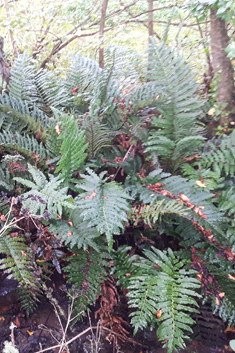
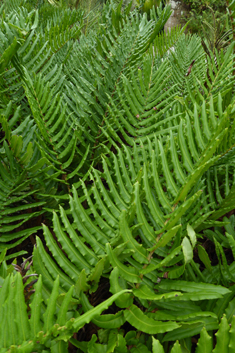
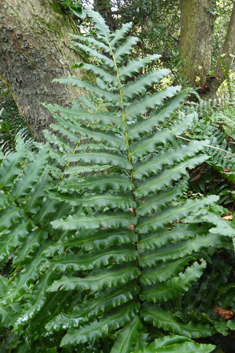
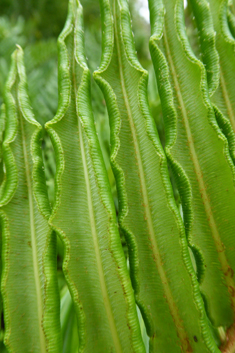
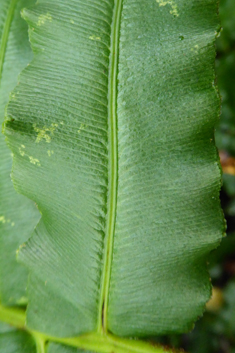
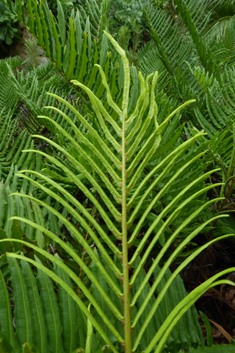
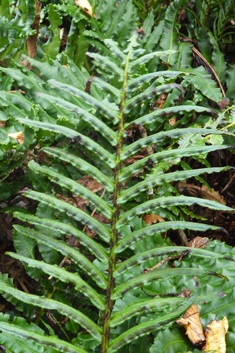
Greater Hard Fern Parablechnum cordatum
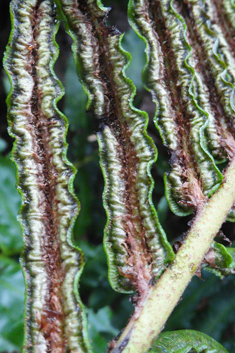
(Blechnum cordatum) Introduced from South America. Long-established in damp woodland on Tresco and St Mary's. Forms extensive creeping mats. Lousley wonderfully describes the St Mary's population as being "In a malodorous ditch under elms"! Plants have separate fertile and sterile leaves with the spores carried in continuous strips on the underside of the fertile pinnae.
Taxonomic Note: For a long time, this species was misidentified as Chilean Hard Fern Parablechnum chilense (Blechnum chilense) and it is still wrongly sold under that name in the horticultural trade. This has resulted in many botanical books and floras giving false information about the natural distribution and/or identification of these plants (including Stace and Sell & Murrell). Greater Hard Fern is native to northern and central South America while Chilean Hard Fern is native to the southern cone of Chile and Argentina and the neighbouring Juan Fernandez and Falkland Islands.
 |
 |
 |
 |
| |
|
|
|
 |
 |
 |
 |
| |
|
|
|
Spleenworts - Aspleniaceae
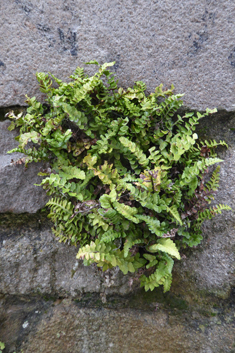
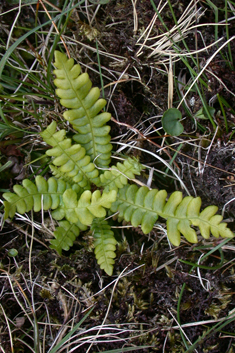
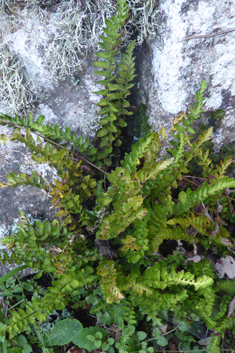
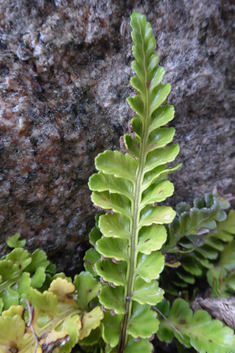
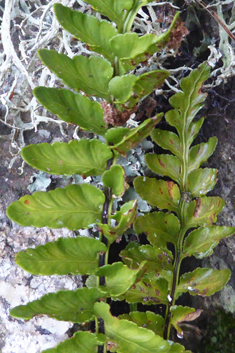
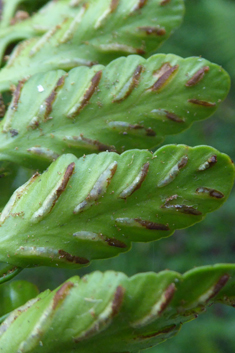
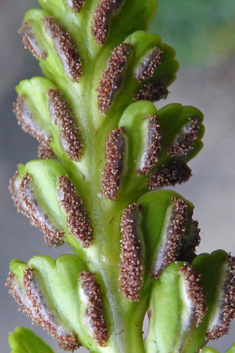
Sea Spleenwort Asplenium marinumNative. Found throughout the islands, mostly on outer facing, oceanic coastlines but also on walls and buildings.
 |
|
 |
 |
| |
|
|
|
 |
 |
 |
 |
| |
|
|
|
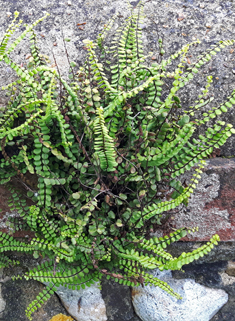
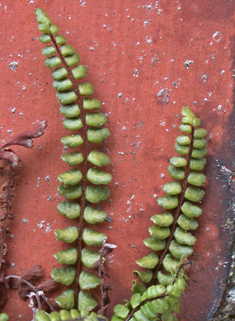
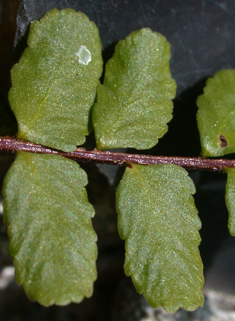
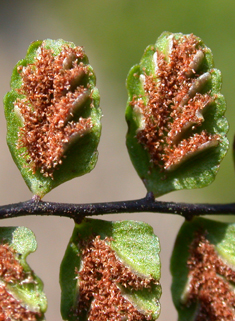
Maidenhair Spleenwort Asplenium trichomanes
Native. Local and has declined in recent years, but small populations persist on walls on St Mary's, St Agnes and St Martin's. The long, narrow leaves with rounded pinnae and black midribs are distinctive.
 |
 |
 |
 |
| |
|
|
|
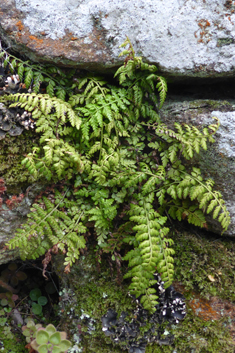
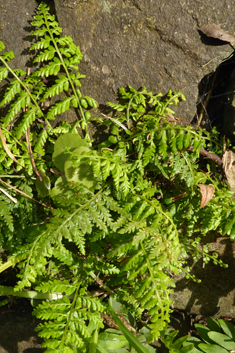
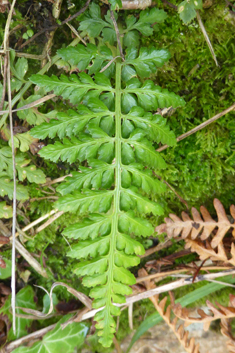
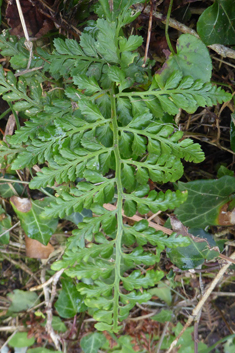
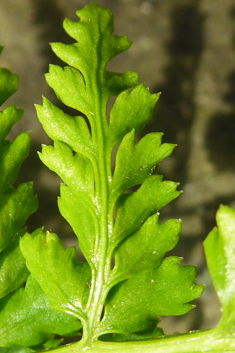
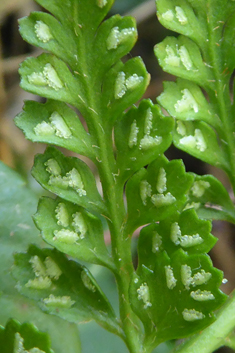
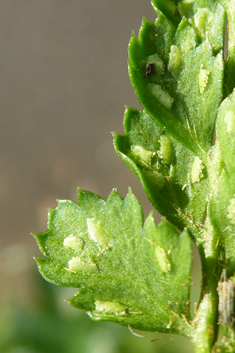
Lanceolate Spleenwort Asplenium obovatum subsp. lanceolatum
Native. Most frequent on walls on St Mary's and St Agnes with scattered records from other islands, though strangely missing from St Martin's.
 |
 |
 |
 |
| |
|
|
|
 |
 |
 |
|
| |
|
|
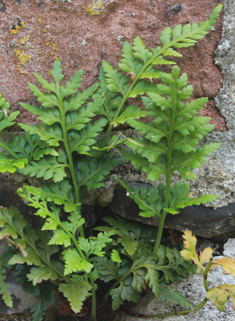
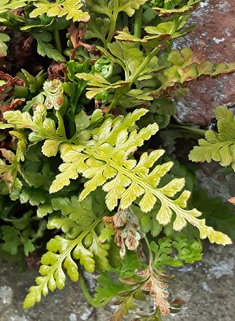
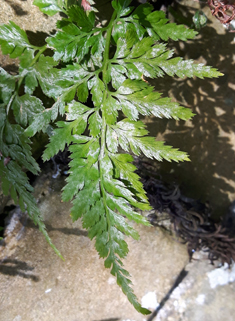
Common Black Spleenwort Asplenium adiantum-nigrum
Native. Widespread on all inhabited islands and several of the smaller islands. Plants in sunnier places often turn golden-bronze in colour.
 |
 |
 |
 |
| |
|
|
|
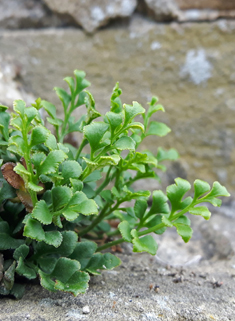
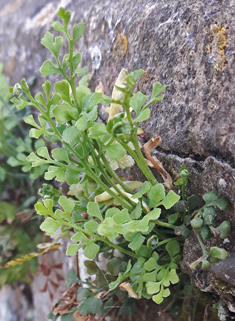
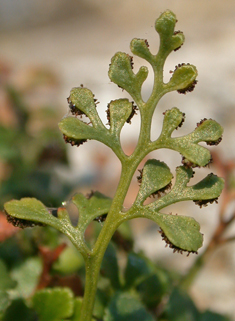
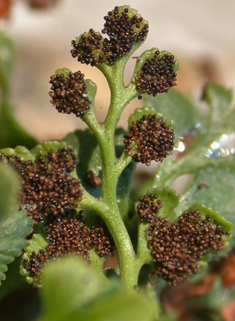
Wall-rue Asplenium ruta-muraria
Native. Rare on walls, with just two, small populations known on St Mary's and St Martin's. A very distinctive fern that has a blue-green colour to its leaves, which resemble the leaves of garden rue (Ruta graveolens).
 |
 |
 |
 |
| |
|
|
|
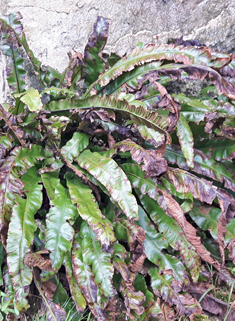
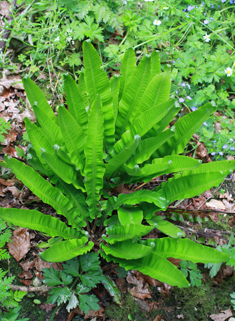
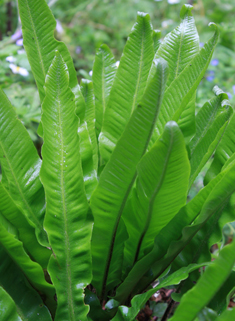
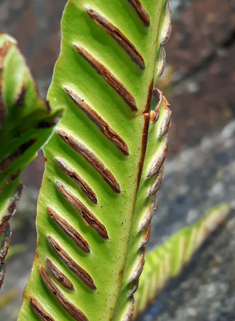
Common Hart's-tongue Asplenium scolopendrium
Native. Scattered on the larger islands and most common on St Mary's. A very distinctive fern, being our only native species with highly glossy leaves that are entire and not at all divided. The spore-bearing sori on the underside of the leaves appear as a series of narrow, dark, parallel lines. This plant is evergreen and the old leaves can get browned and very tattered over winter before the new leaves emerge in spring. Plants may form large clumps with leaves up to 60cm long in shady woodland, but are much smaller when growing on walls.
 |
 |
 |
 |
| |
|
|
|
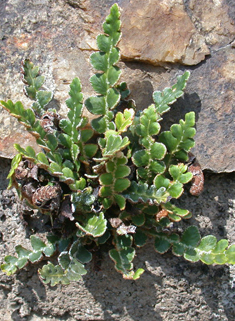
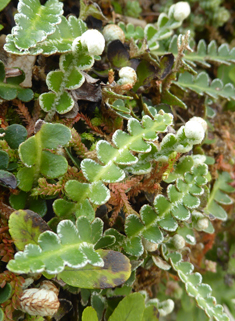
Rustyback Fern Asplenium ceterach
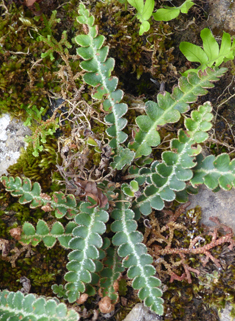
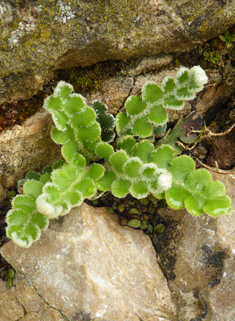
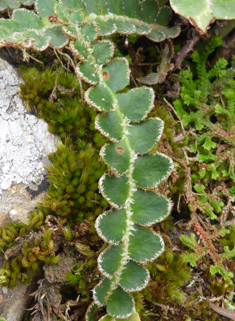
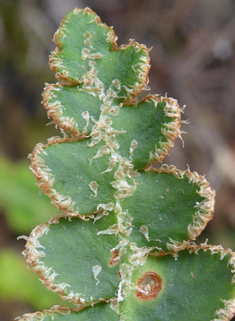
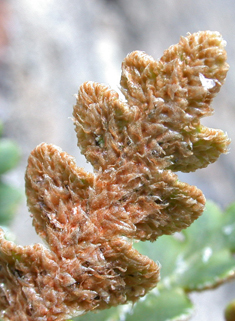
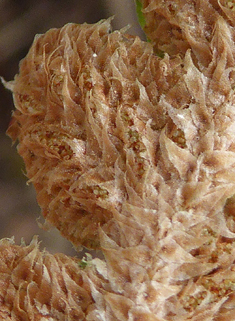
Native. Very rare in the islands and only recorded from St Martin's, where last reported in 1992. The leaves have distinctive pinnae that are broadest at the base and merge into the midrib without stalks. The underside of the leaves are covered in papery scales and turn rust-coloured as the spores ripen.
 |
 |
 |
 |
| |
|
|
|
 |
 |
 |
 |
| |
|
|
|