Heaths and allies
What are they?
The heather family is well known for its dislike of chalky soil, for carpeting great swathes of heathland with brilliant colour in late summer and for providing a number of our garden ornamental plants. Apart from their love of acid soils, the members of this family are rather diverse, but most are woody trees, shrubs or low subshrubs and most have flowers that have the five petals fused together to form a flask-like tube. This page covers the subgroup of plants in this family that are known as heaths and heathers. These are generally wiry-stemmed sub-shrubs with often needle-like leaves and which produce masses of pink or white flowers in late summer.
Where are they found?
Our native species are plants of open, acid heaths, where they are often one of the dominant plant species. A number of other species, as well as varieties and forms of our native species, are popular as garden plants and may occasonally be found where garden waste is dumped or where deliberately planted in the wider countryside. Native plants tend to dominate in suitable habitats, while introduced plants or garden escapes will tend to appear as odd, single plants.
Identification
Most species can be told apart by a combination of leaf features and flower features; leaf shape and the presence or absence of marginal hairs should be noted. With the flowers, note the colour and the shape of the flowers, their position on the branches (towards the tip or middle of the branch for example) and the appearance of the stamens and styles (especially whether the protrude beyond the mouth of the petal tube or not).
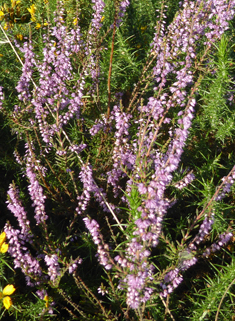
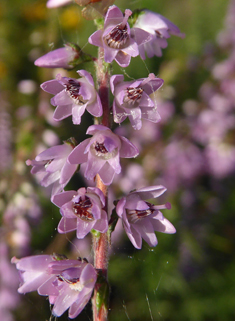
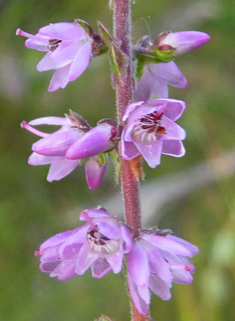
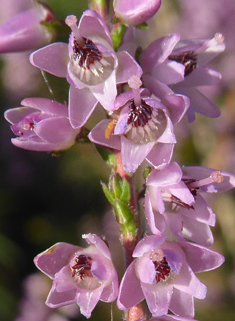
Common Heather Calluna vulgaris
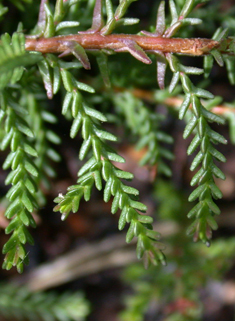
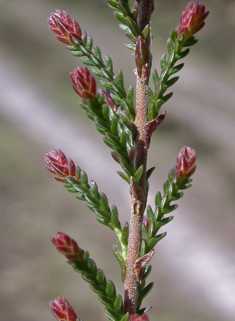
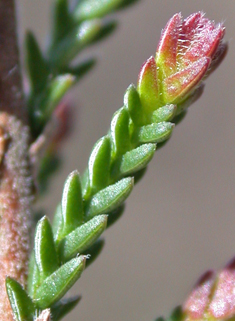
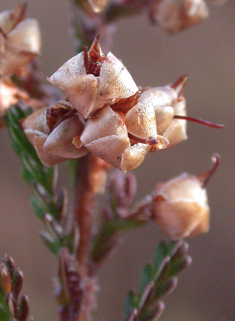
(Ling) Native, widespread on open, uncultivated land. Flowers July to September. The cypress-like, overlapping leaves and flowers with petals not fused into a flask-like tube make this an easy species to identify. Cultivated varieties may be found where occasionally planted in the wider countryside and vary greatly in the colour and hairiness of the leaves and in the flowers colour, which can range from white, through pink to purple.
 |
 |
 |
 |
| |
|
|
|
 |
 |
 |
 |
| |
|
|
|
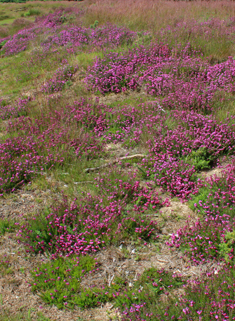
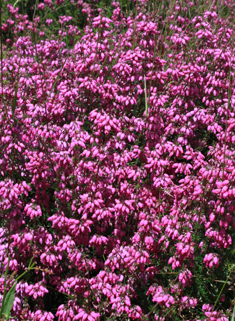
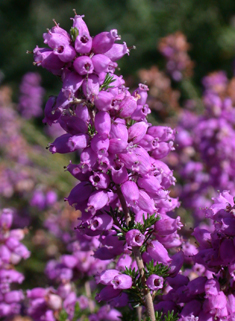
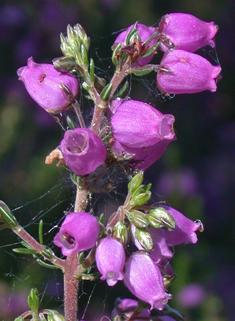
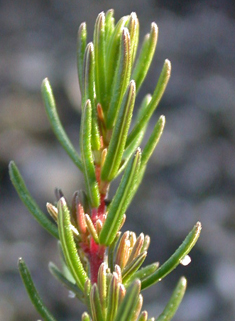
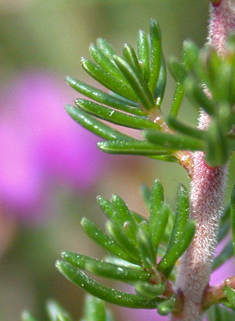
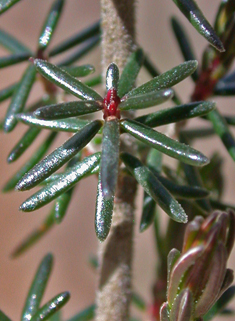
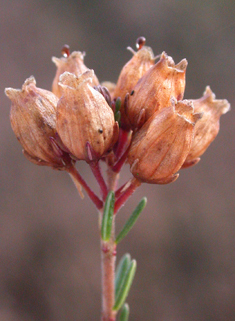
Bell Heather Erica cinerea
Native and widespread throughout the islands on heathy ground. Flowers July to September. Flower colour varies greatly from pale pink to purple. Anthers not extending beyond the petal tube; leaves in whorls of three, with their margins broadly rolled under.
 |
 |
 |
 |
| |
|
|
|
 |
 |
 |
 |
| |
|
|
|
Cornish Heath Erica vagans
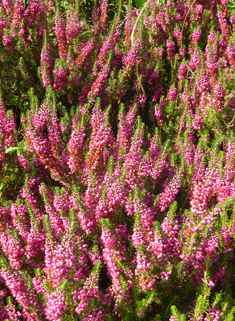
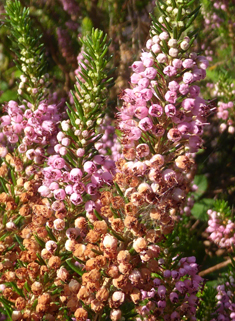
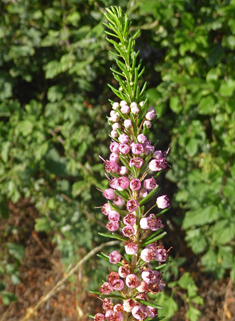
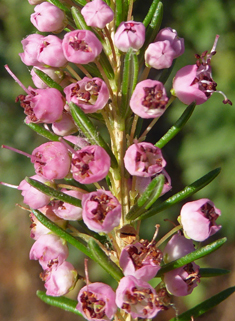
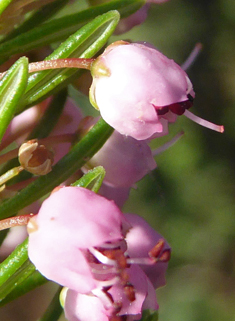
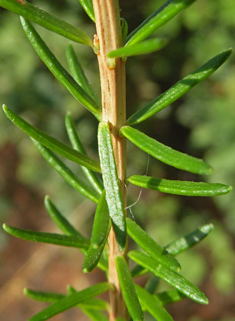
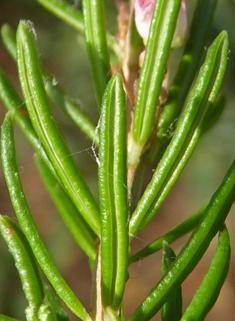
Recorded as a garden escape on Tresco. Flowers July to August. Flowers pink or white, carried in tight clusters along the stems but with the leafy stems extending beyond the flowers, giving the flowering shoots a strongly tapered look. Anthers slightly extending beyond the petal tube; leaves in whorls of four to five, with their margins broadly rolled under and hairless.
 |
 |
 |
 |
| |
|
|
|
 |
 |
 |
|
| |
|
|
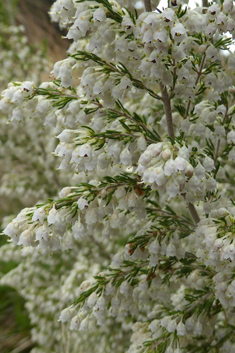
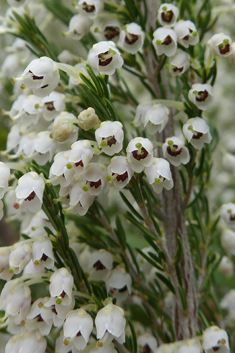
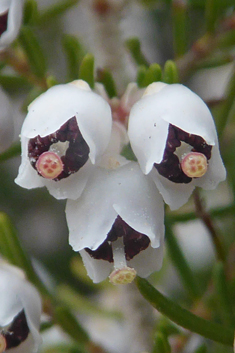
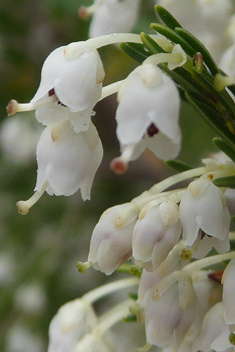
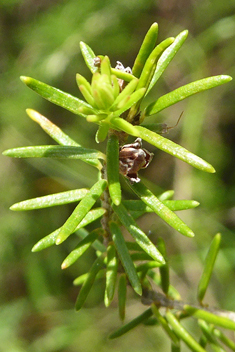
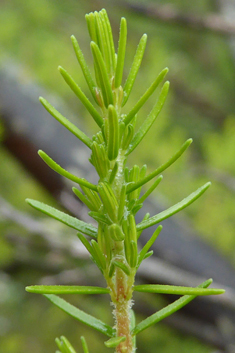
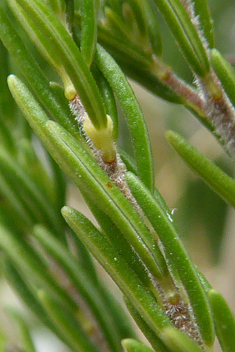
Tree Heath Erica arborea
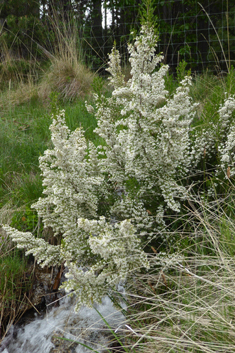
Native throughout the Mediterranean Region to the Caucasus and south in the mountains of tropical Africa. Well established in several places on Tresco. A woody, evergreen shrub that can grow to 5m in height. Leaves in whorls of three or four. Flowers white, stigma white, broadly capitate.
 |
 |
 |
 |
| |
|
|
|
 |
 |
 |
 |
| |
|
|
|
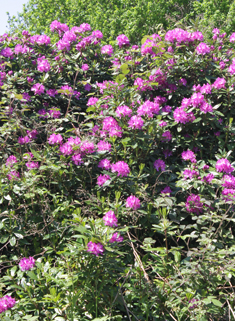
European Rhododendron Rhododendron ponticum
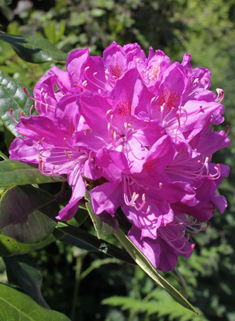
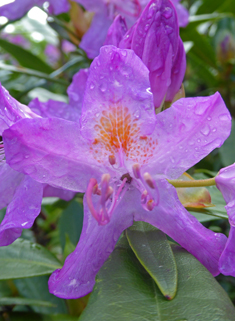
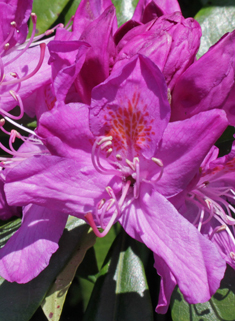
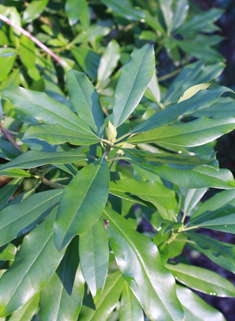
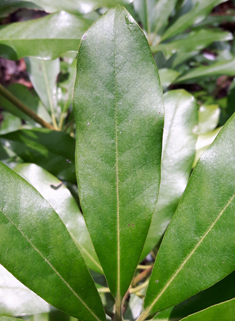
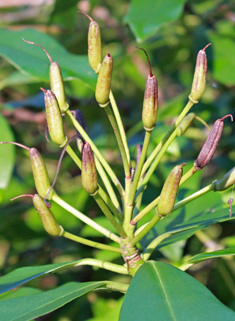
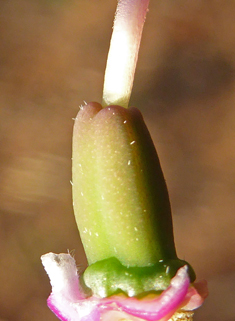
Introduced from southwest Europe and well established on Tresco, with records also from Bryher and St Mary's. Highly invasive and vigorously controlled in some places. Flowers May to June. A many-stemmed, large bush or small tree, to 5m in height. Stout, leathery, evergreen leaves. Flowers in various shades of pinkish-purple, with orange, yellow or greenish spots. Ovary hairless or with just a few, scattered hairs.
 |
 |
 |
 |
| |
|
|
|
 |
 |
 |
 |
| |
|
|
|
Shallon Gaultheria shallon
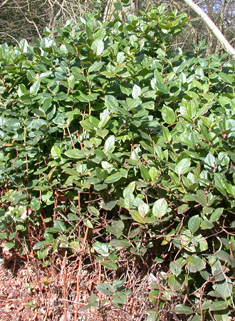
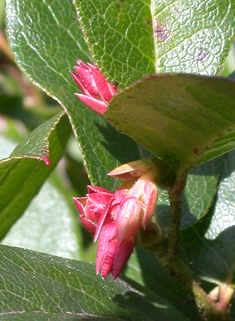
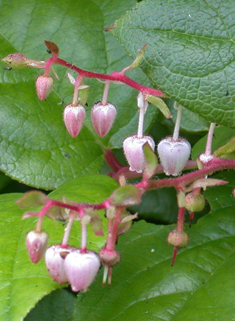
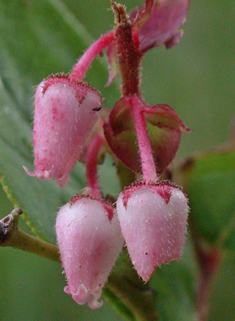
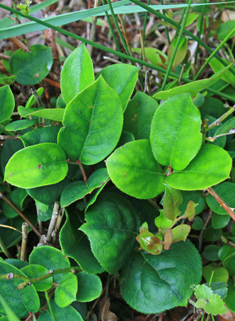
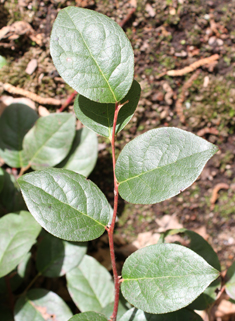
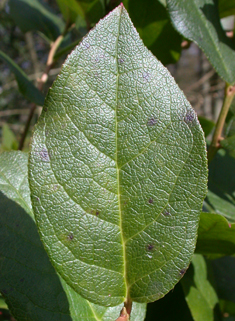
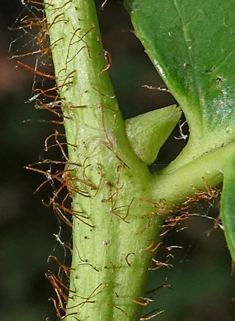
Introduced from western North America and recorded a number of times from Abbey Wood, Tresco. Flowers May to June. A low shrub that may reach one metre in height but often less; leaves 4-12cm long, evergreen, tough and leathery. Flowers pale pink, in one-sided spikes; fruit purple.
 |
 |
 |
 |
| |
|
|
|
 |
 |
 |
 |
| |
|
|
|
Checkerberry Gaultheria procumbens
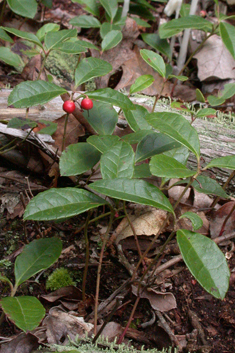
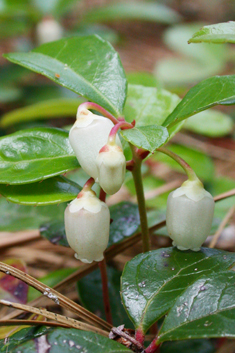
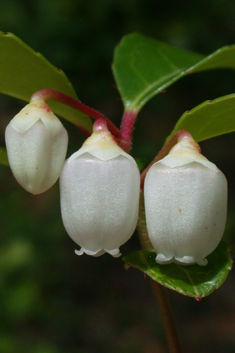
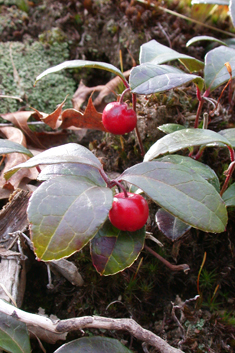
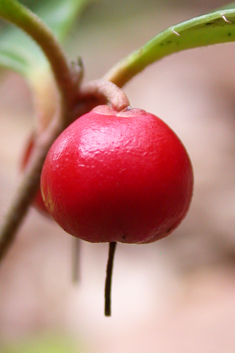
Introduced from North America and recorded from Abbey Tresco. Flowers July to August. A low, creeping subshrub. Leaves 2-5cm long, evergreen, tough and leathery and with a few small teeth along the margin. Flowers white, bell-like and followed by red berries with white flesh that smell strangely of germolene!.
 |
 |
 |
| |
|
|
 |
 |
|
| |
|
Pepperbush Family - Clethraceae
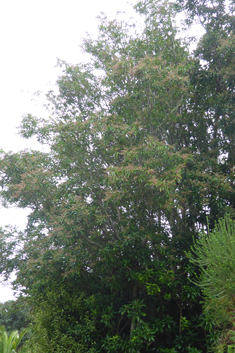
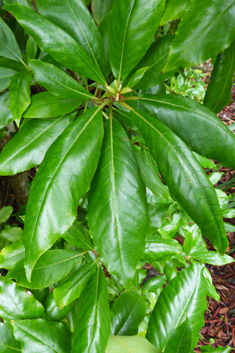
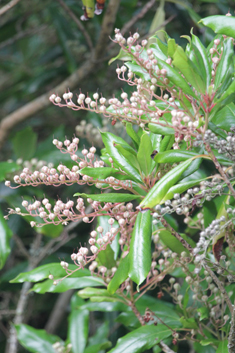
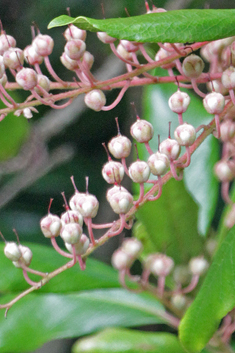
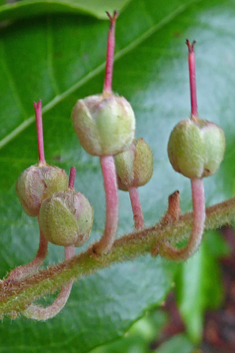
Lily-of-the-valley-tree Clethra arboreaIntroduced from Madeira as a garden ornamental and recorded as established in Abbey Wood, Tresco. Flowers August to October. An evergreen tree, to 7m in height when full grown. Leaves 7.5-15cm long, evergreen, alternate and arranged spirally around the stem. Flowers white, bell-like, im long racemes at the ends of the branches.
 |
 |
|
| |
|
|
 |
 |
 |
| |
|
|