Buttercups
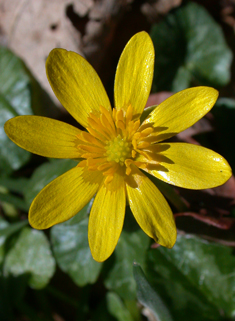
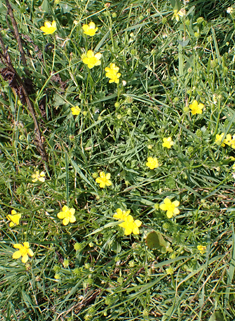
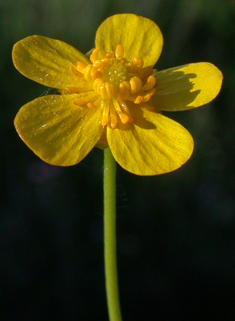
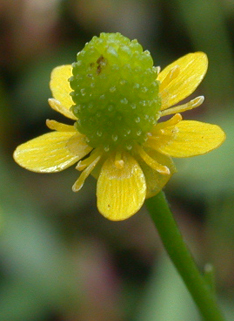
What are they?
Buttercups are such an integral part of the countryside that they must be known by everyone, but evolution has provided us with a bewildering number of species to sort out! These are key species in the family Ranunculaceae, a family that contains a number of poisonous species. The toxicity of buttercups means that they get left by grazing stock and buttercup species soon become abundant in overgrazed grassland.
Where are they found?
The commoner species of buttercup can be abundant in all kinds of open, grassy places. Some species may also be found in wetlands, while others are woodland species. As such, the habitat can be an integral part of the identification.
Identification
The flowers of the first few species on this page are all rather similar, but the position of the sepals can be important while the smaller species require careful study of the achenes (fruits). Note also details of the leaf shape.
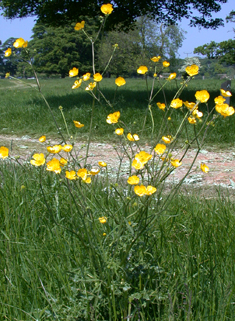
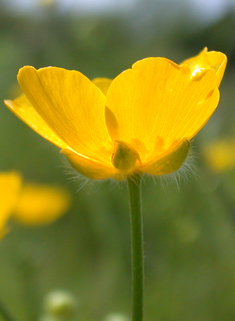
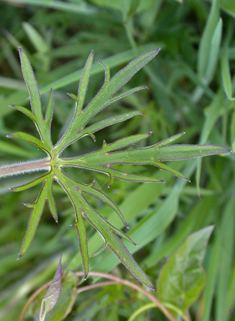
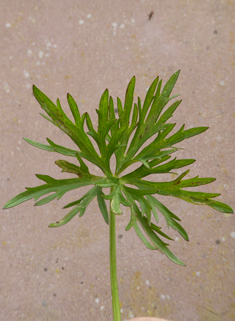
Meadow Buttercup Ranunculus acris
A rare plant on the islands, recorded from a few scattered areas of older grassland. Flowers May to August. A tall-growing species, sometimes to 100cm im height where not mown. Flowers with sepals flattened against the petals. Leaves very deeply cut almost to the veins.
 |
 |
 |
 |
| |
|
|
|
Creeping Buttercup Ranunculus repens
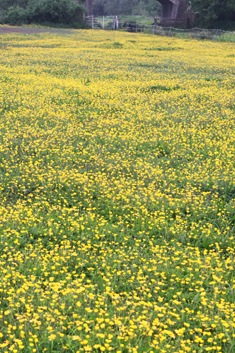
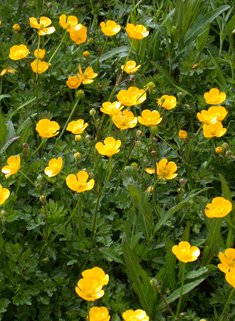
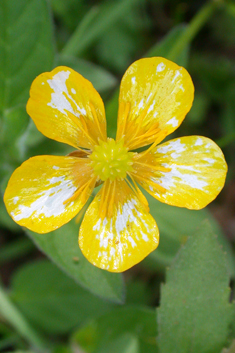
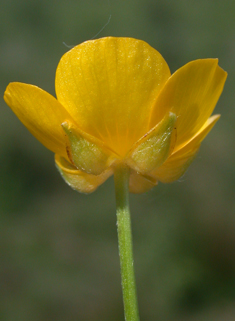
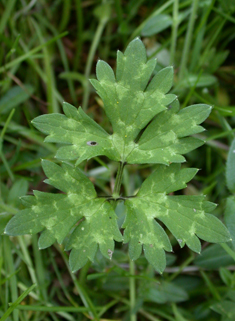
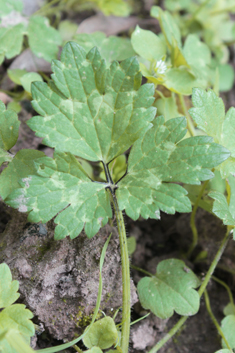
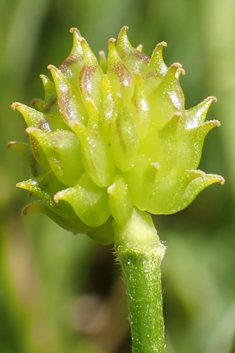
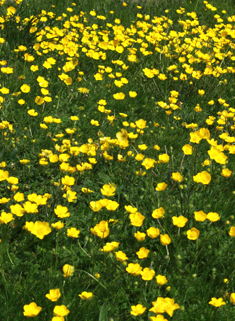
A common native of wet grassland and the edges of ponds and other wetlands. Also frequently on grassy paths and rides and as a weed of damp farmland. Flowers May to August. Spreads by underground rhizomes to form extensive mats of three-lobed leaves, these leaves with conspicuous pale marks on them. Flowers with sepals flattened against the petals.
 |
 |
 |
 |
| |
|
|
|
 |
 |
 |
 |
| |
|
|
|
Bulbous Buttercup Ranunculus bulbosus
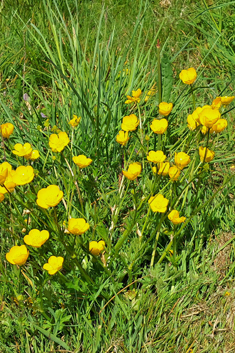
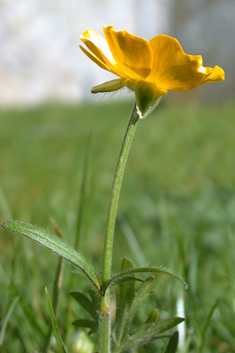
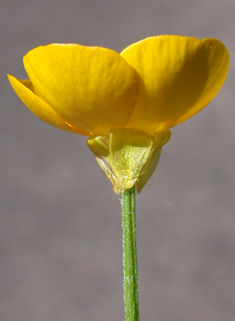
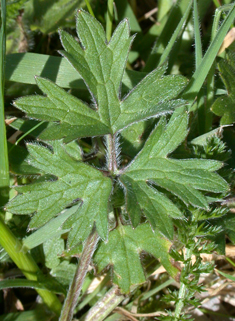
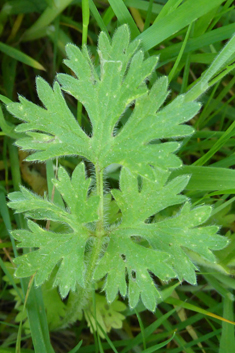
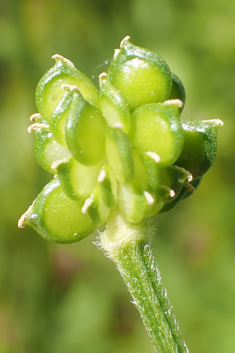
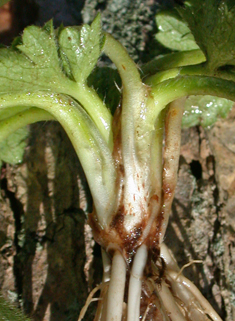
A native species of grassy places, uncommon on the inhabited islands and Samson. Flowers April to June. Leaves rather variable with some more deeply cut than others, but usually clearly three-lobed. Sepals on open flowers are fully reflexed against the stem and not held against the petals. The base of the plant is whitish and slightly swollen, giving it a rather bulbous look; this can be detected by feeling carefully at the base of the plant, without the need to dig plants up.
 |
 |
 |
 |
| |
|
|
|
 |
 |
 |
 |
| |
|
|
|
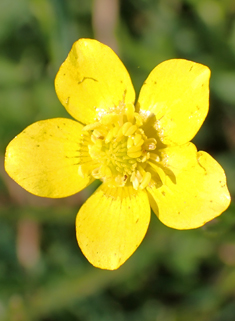
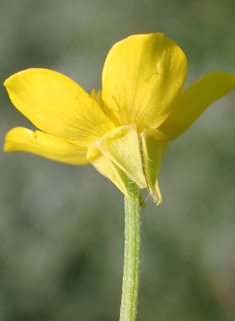
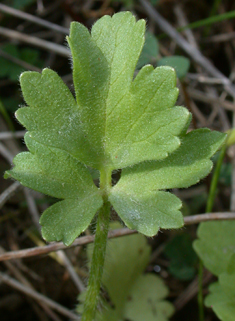
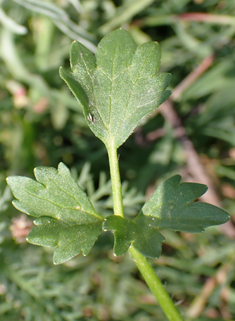
Hairy Buttercup Ranunculus sardous
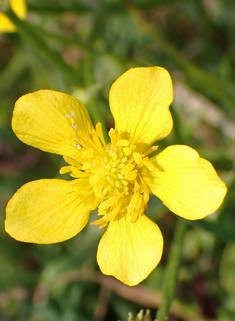
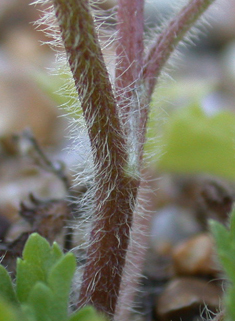
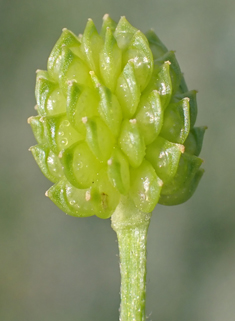
A native species of damp grassland. Rare on the larger islands except St Agnes were it is quite frequent on the northern half of the island. Flowers June to October. Easily confused with Bulbous Buttercup as the two species are very similar, especially hairier forms of Bulbous Buttercup. Hairy Buttercup is an annual that does not develop the bulbous base found in the perennial Bulbous Buttercup. Hairy Buttercup is also much more hairy, with hairs on all parts, especially the stems and leaf petioles. Fruits have smooth faces without tubercles and the beak is 0.2-0.6mm long.
| |
 |
 |
 |
| |
|
|
|
 |
 |
 |
 |
| |
|
|
|
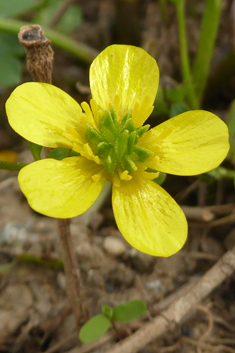
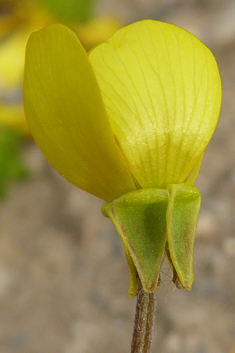
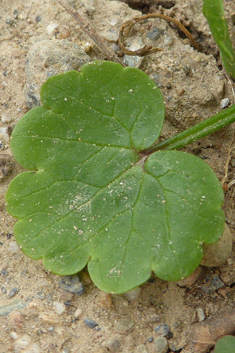
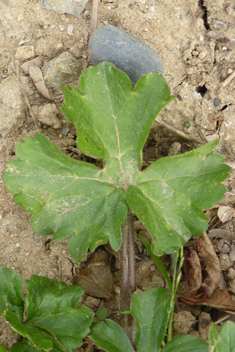
Marginate Buttercup Ranunculus marginatus
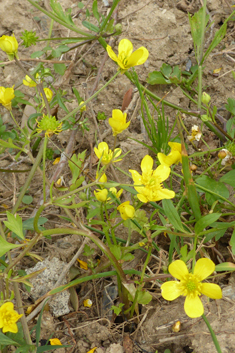
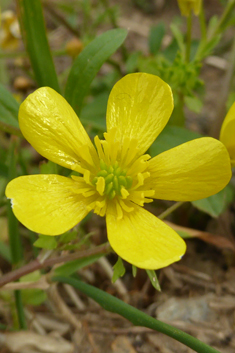
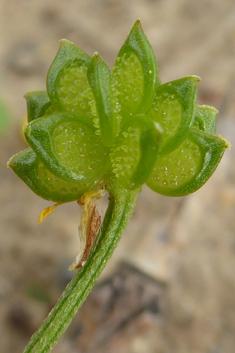
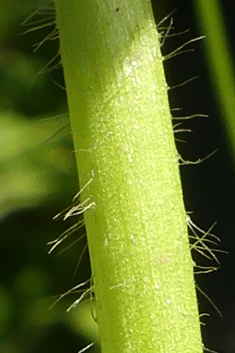
Native to Sicily and the Balkan Peninsula, eastwards to the Caucasus and Iran. Discovered to have been introduced on St Martin's after plants were grown on to the fruiting stage in the 1950s and still present there in small quantity. Very similar to Hairy Buttercup and only reliably distinguished by its fruits, which have small tubercles on the flat faces and with a beak at least 0.6mm long.
 |
 |
 |
 |
| |
|
|
|
 |
 |
 |
 |
| |
|
|
|
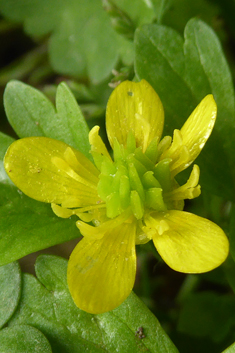
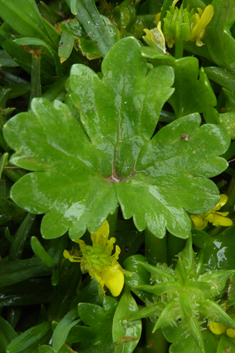
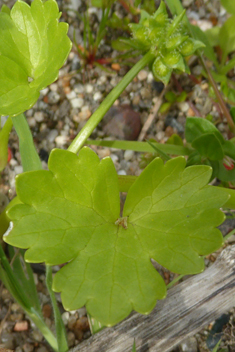
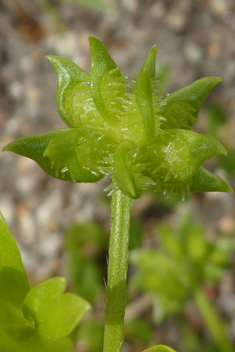
Rough-fruited Buttercup Ranunculus muricatus
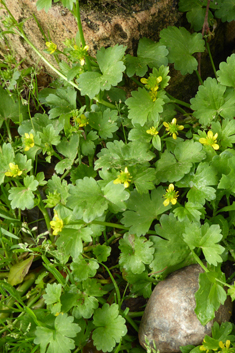
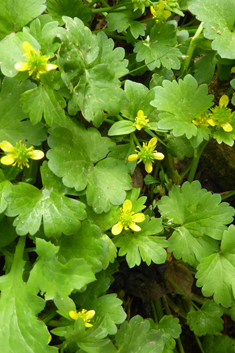
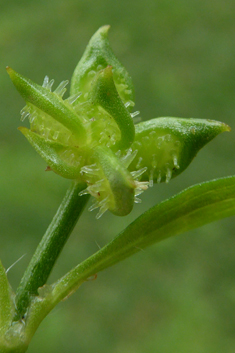
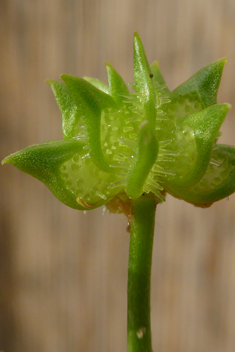
Native to the Mediterranean Region, eastwards to Central Asia and India. Formerly on all inhabited islands but now a rather local species on St Mary's only. A small, annual species of disturbed ground. The fruits have distinct, elongate tubercles on their flat surfaces.
 |
 |
 |
 |
| |
|
|
|
 |
 |
 |
 |
| |
|
|
|
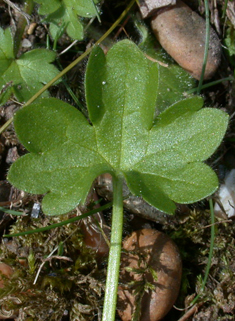
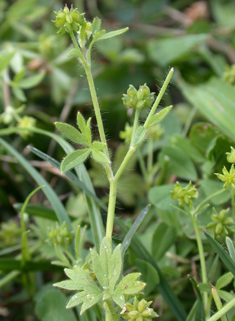
Small-flowered Buttercup Ranunculus parviflorus
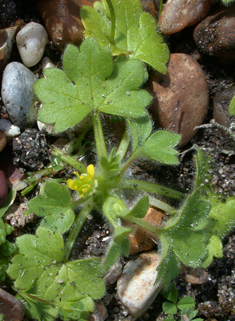
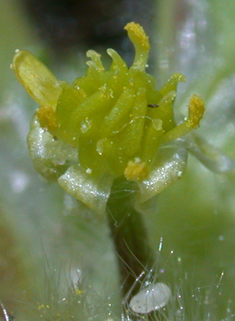
A native of disturbed ground and occasionally in dune or coastal grass habitats. Rather rare except on St Mary's where locally frequent. Flowers April to June. A tiny plant which forms small rosettes of leaves tight to the ground. The flowers are tiny, 3-6mm across and petalless, or with one or two, greatly reduced petals. Stems lengthen as seed capsules develop and bear narrower leaves than those of the basal rosettes.
 |
 |
 |
 |
| |
|
|
|
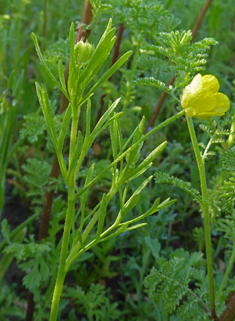
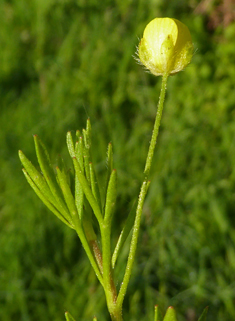
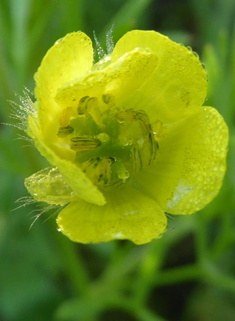
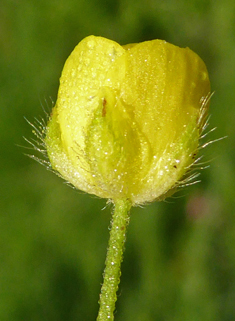
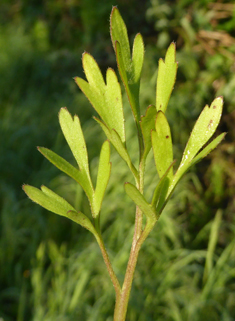
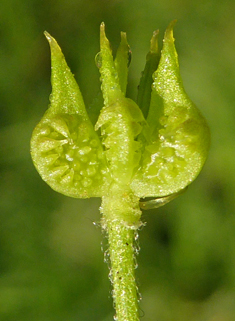
Corn Buttercup Ranunculus arvensis
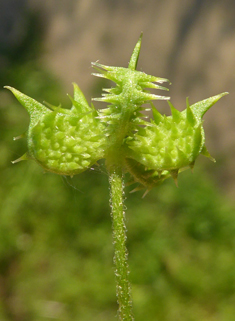
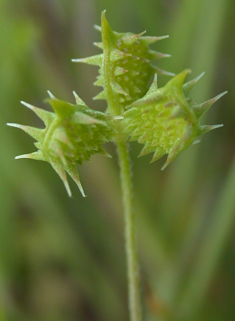
Recorded once from St Mary's in the 1940s. Flowers June to August. Basal leaves narrowly lobed, upper leaves deeply dissected. Most easily told by the fruits which are covered in spines.
 |
 |
 |
 |
| |
|
|
|
 |
 |
 |
 |
| |
|
|
|
Celery-leaved Buttercup Ranunculus sceleratus
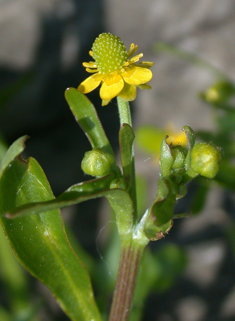
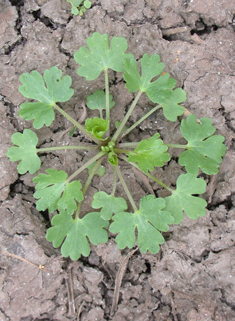
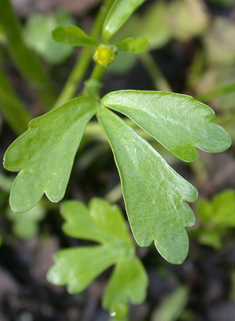
A rare plant, typically growing on areas of open ground in wet areas. Flowers May to September. A hairless plant with basal leaves that are very like those of Celery. Flowers with small petals and a swollen cluster of carpels in the centre.
 |
|
 |
 |
| |
|
|
|
Lesser Spearwort Ranunculus flammula
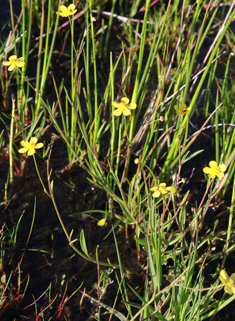
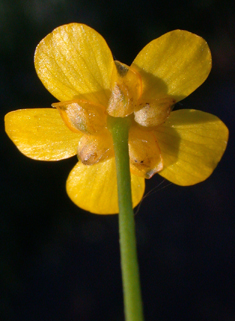
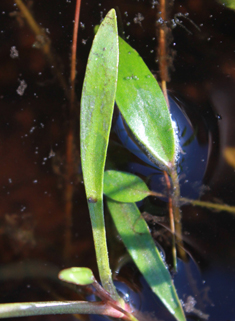
Native. Occurs in wet areas on the inhabited islands. Flowers June to August. Plants typically grow to around 50cm in height. Petals narrower than those of other buttercups and leaves lance-shaped with strongly tapered bases.
 |
|
 |
 |
| |
|
|
|
Lesser Celandine Ficaria verna
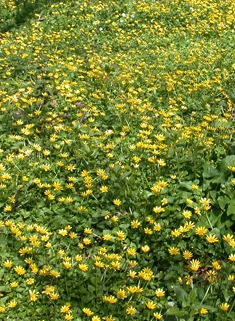
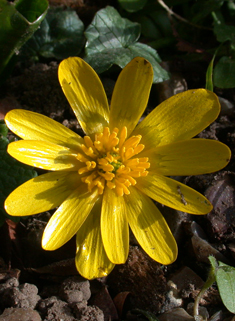
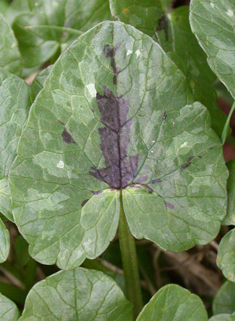
Native. Widespread on the larger islands, especially along leafy verges and shady places. Flowers February to May. One of the first plants to flower in spring, the flowers generally have eight petals, but any number up to 12 can frequently be found. Leaves are shovel-shaped and may be green, or marked with dark and/or light patches.
 |
|
 |
 |
| |
|
|
|
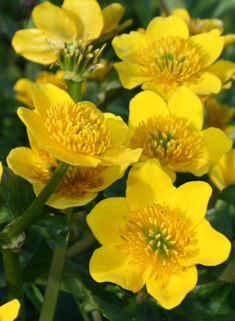
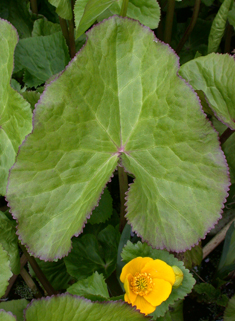
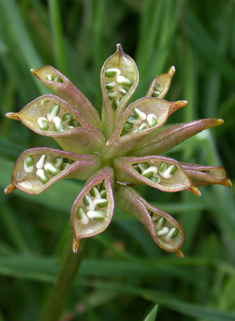
Marsh-marigold Caltha palustris
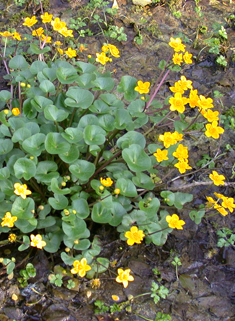
Introduced to the islands and growing where planted by pools on St Mary's and Tresco. Flowers April to June. The relatively large flowers (up to 30mm across) are carried in branched clusters held well above the heart-shaped leaves. This species differs from the true buttercups by having no petals - it is the 5-8 sepals that are yellow and fulfill the function of petals in this species (check the back of the flower!). The seed capsules are distinctive, being larger but fewer in number than those of the buttercups.
 |
 |
 |
 |
| |
|
|
|