Bedstraw Family
What are they?
Worldwide, the bedstraw family (Rubiaceae) is a very variable group of plants, with the tropics being home to many woody trees and shrubs. In our region, most members of this family are herbaceous plants with leaves in whorls of usually four to six on square stems. The leaf margins and sometimes stem edges are often furnished with prickles which help the plants scramble over and through surrounding vegetation. Flowers have four petals, usually with pointed tips, carried in open, terminal clusters.
Where are they found?
Most of our species are annuals of disturbed areas or perennials of open, often grassy places. Some are found in wetlands and others in shade, so habitat can be useful in determining some of the species.
Identification
Flower colour is a good starting point to narrow the field. For the white- and greenish-flowered species, details of prickles on the leaf edges and/or stems and prickles on the fruits should be noted. Leaf detail, especially the shape of the leaf tip is also useful.
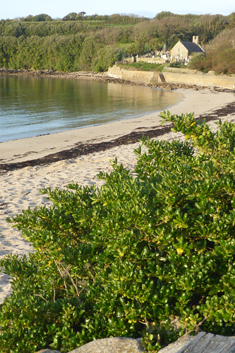
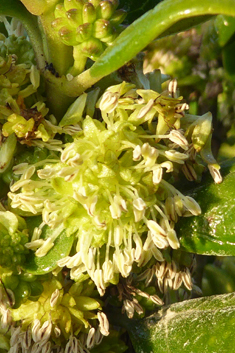
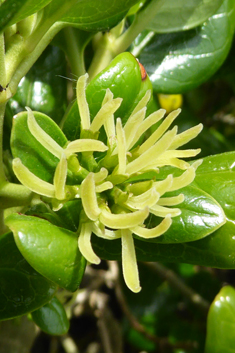
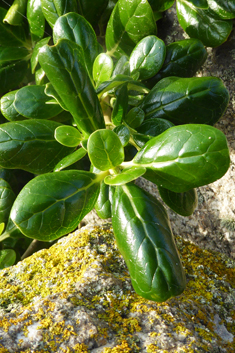
Tree Bedstraw Coprosma repens
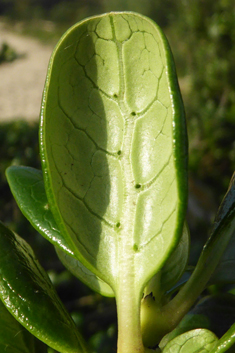
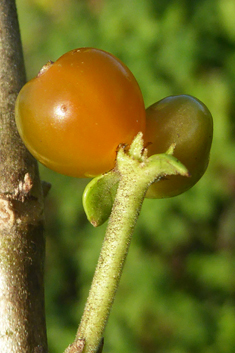
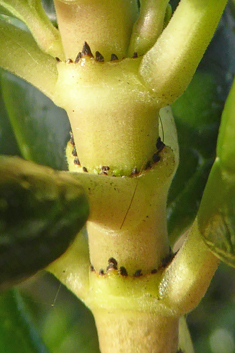
Introduced from New Zealand. Widely planted as a salt-tolerant hedge and shelter belt and now regularly self-seeding on most of the larger and some of the smaller islands. Strangely absent from St Martin's. Flowers mostly June to August. A distinctive shrub with highly glossy, opposite leaves and with dark-tipped stipules at the leaf nodes. Plants dioecious with females producing orange-red berries.
 |
 |
 |
 |
| |
|
|
|
 |
 |
 |
|
| |
|
|
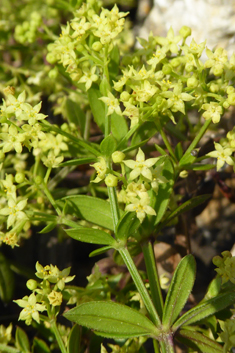
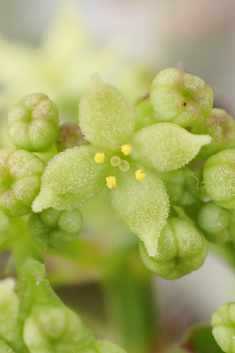
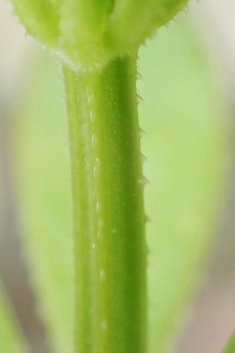
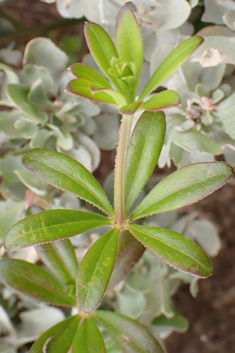
Wild Madder Rubia peregrina
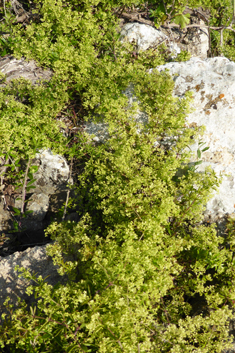
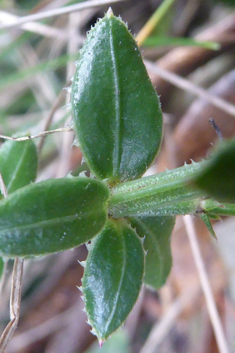
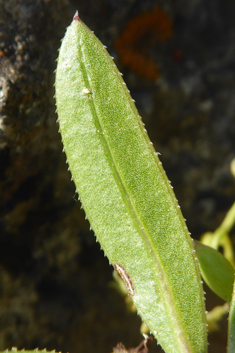
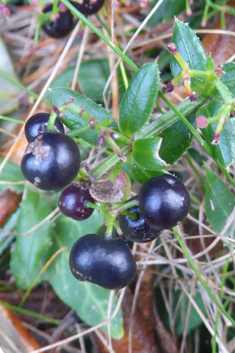
Native. Widespread throughout most of the islands along hedges, banks and in rough bramble or bracken patches. Flowers June to August. A roughly bristly plant with backward pointing, hooked bristles along the leaf margins and stem corners.
 |
 |
 |
 |
| |
|
|
|
 |
 |
 |
 |
| |
|
|
|
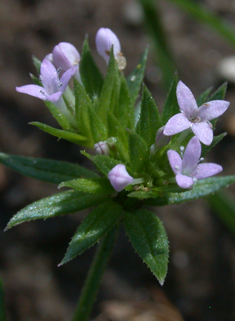
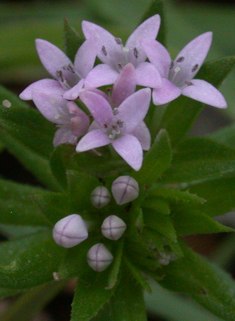
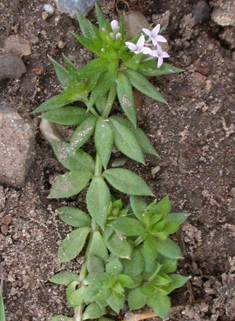
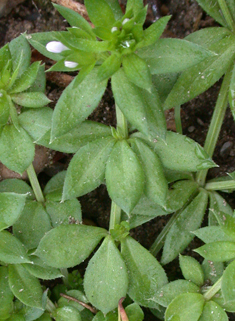
Field Madder Sherardia arvensis
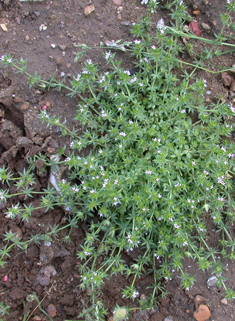
Native. A widespread annual of mostly dry, sandy soils on tracks and other open, bare areas including bulbfields. Flowers May to September. A low-growing, mat-forming species, the early leaves being rather broad and later leaves on flowering shoots more pointed. Flowers a distinctive pale lilac colour.
 |
 |
 |
 |
| |
|
|
|
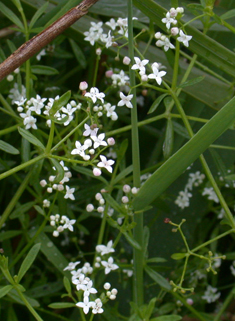
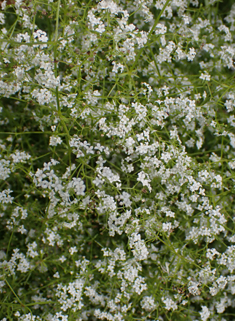
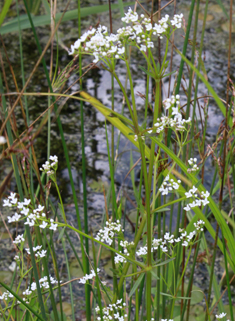
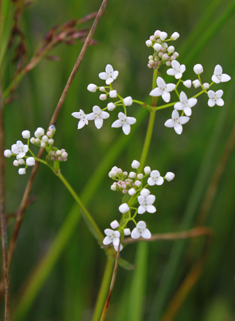
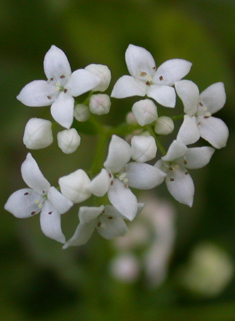
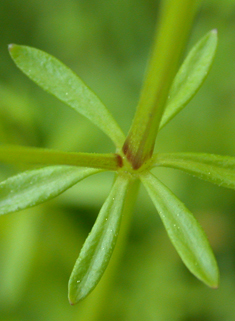
Marsh Bedstraw Galium palustre
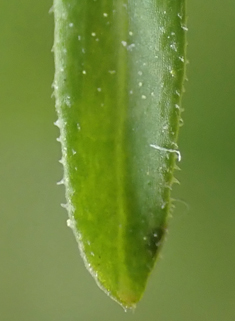
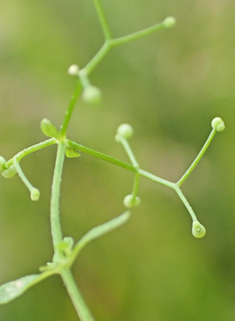
Native. Recorded from wetland habitats on St Mary's and Tresco and formerly on Bryher. Flowers June to August. A slender, scrambling species, told from the similar Fen Bedstraw by the bluntly-rounded tips to the leaves and the backward-pointing bristles on the margins. Fruits small, smooth, becoming strongly divaricate at maturity.
 |
 |
 |
 |
| |
|
|
|
 |
 |
 |
|
| |
|
|
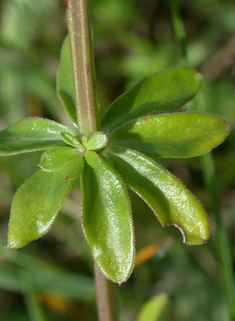
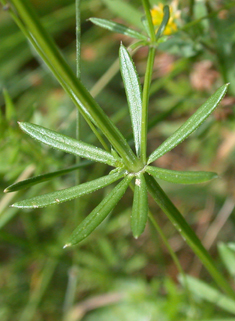
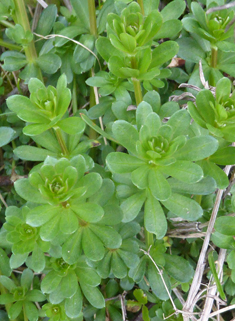
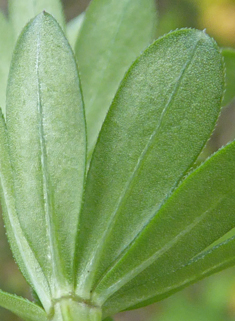
Hedge Bedstraw Galium album
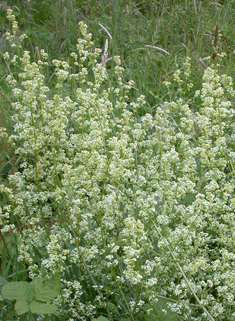
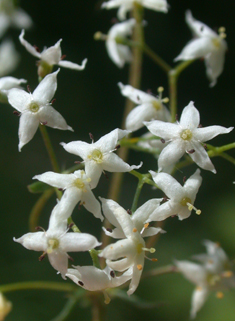
Native. Rare, recorded regularly from Bryher and previously on St Martin's and St Mary's but often not persisting. Flowers June to September. Formerly recognised as Galium mollugo, the common form has relatively broad, round-tipped leaves and grows into large, straggling plants with much-branched flowering heads.
 |
 |
 |
 |
| |
|
|
|
 |
 |
| |
|
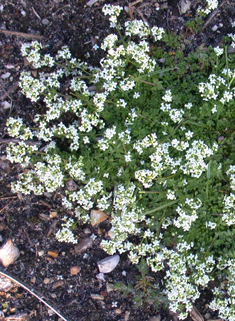
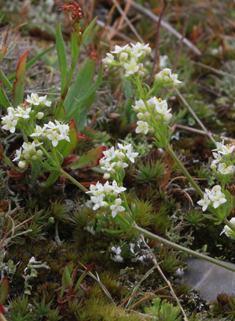
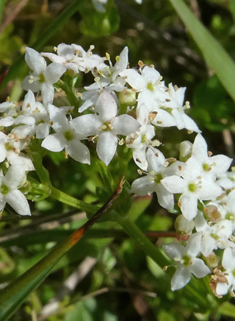
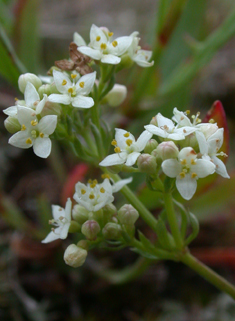
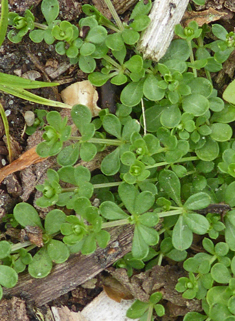
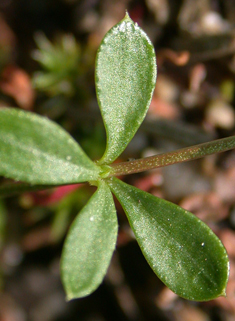
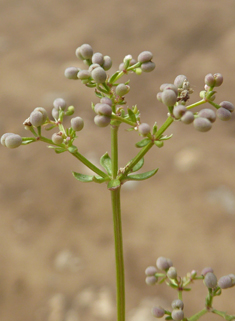
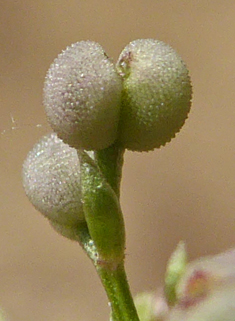
Heath Bedstraw Galium saxatile
Native. Present in grassy places on the inhabited islands and on Samson but rather local. Flowers June to August. A low species, forming rounded mats of vegetation and becoming low tussocks when in flower.
| |
 |
 |
 |
| |
|
|
|
 |
 |
 |
 |
| |
|
|
|
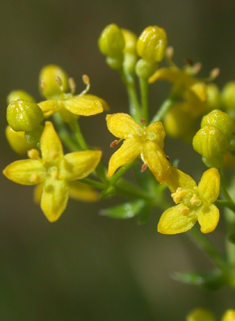
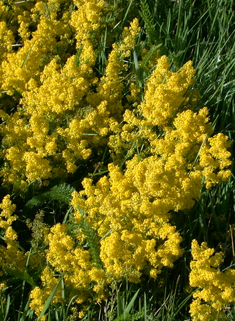
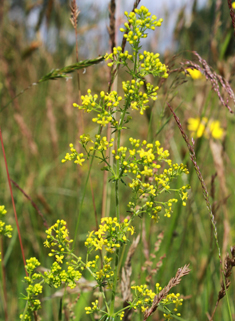
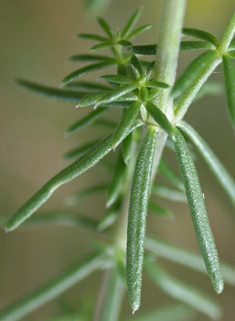
Lady's Bedstraw Galium verum
Native. Widespread on the inhabited islands but absent from St Agnes. Flowers July to August. The very narrow, dark green leaves are easily overlooked amongst grass stems, but when in flower, the frothy heads of bright yellow are readily identified.
 |
 |
|
 |
| |
|
|
|
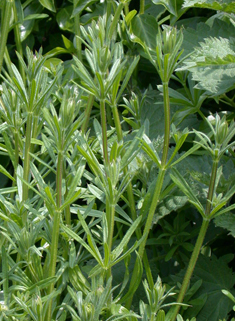
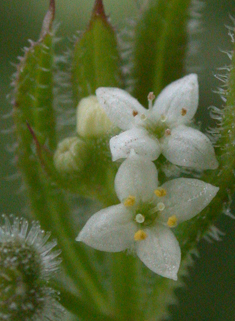
Common Cleavers Galium aparine
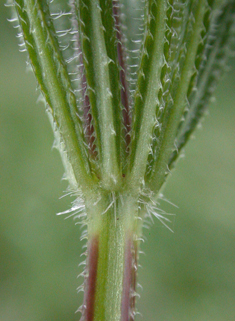
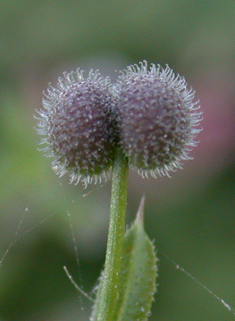
Native. A common species found in a wide range of habitats. Flowers mostly June to August. The bristly leaves and stems cling readily to clothing and give the plant such familiar names as 'lovegrass' and 'sticky Willy'. Flowers dull, yellowish-white and fruits with many, hooked bristles.
 |
 |
 |
 |
| |
|
|
|